
Student and Exchange Visitor Information System (SEVIS)
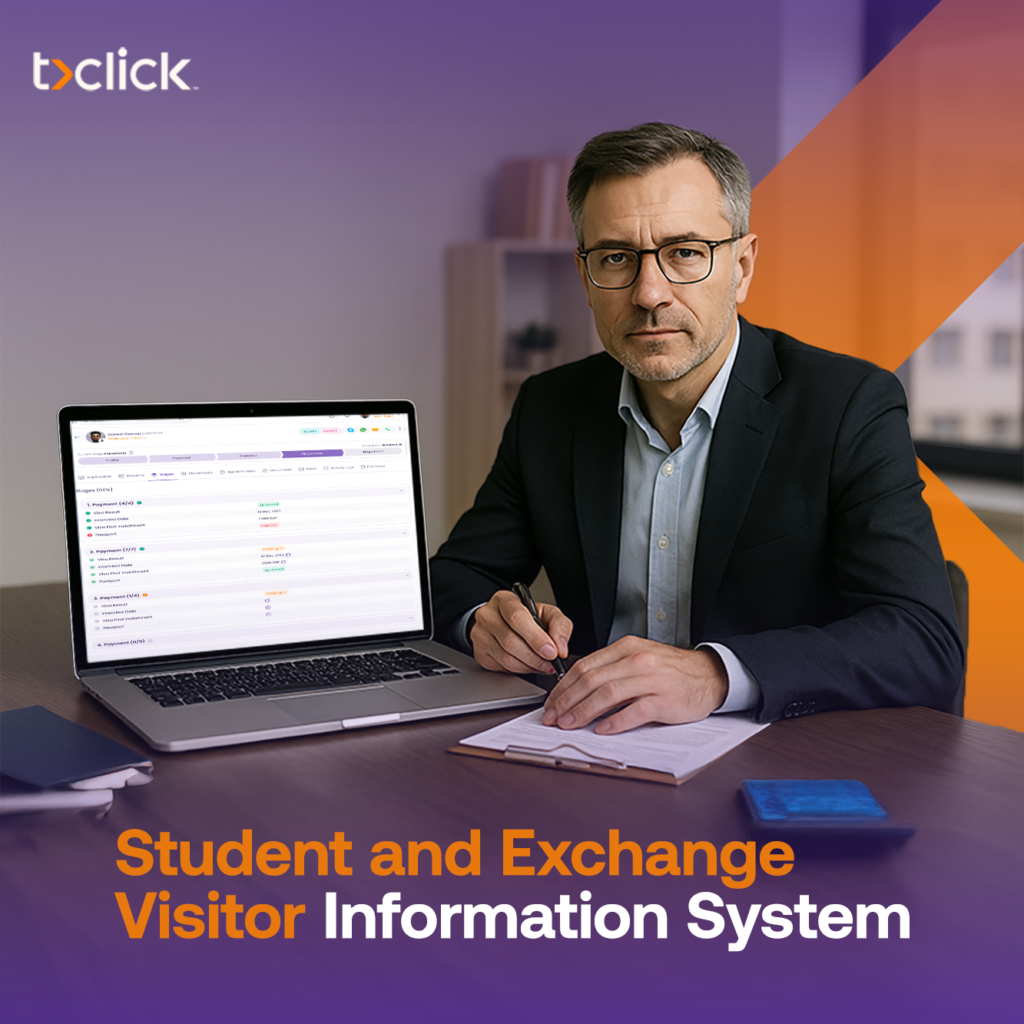
The Student and Exchange Visitor Information System (SEVIS) is the digital backbone that keeps America’s international education ecosystem running smoothly. Managed by the U.S. Department of Homeland Security (DHS), SEVIS monitors and records essential information about international students, exchange visitors, and their dependents during their stay in the United States. Every time a student receives a Form I-20 or an exchange visitor gets a DS-2019, that document is tied to a SEVIS record. This record ensures that their visa status, academic activities, and program progress are tracked accurately—protecting both the participant and the institution’s compliance with U.S. immigration law. Understanding how SEVIS works isn’t just important for universities — it’s also crucial for student recruitment agencies, exchange sponsors, and education consultants who prepare students before they ever reach U.S. soil. Keeping data accurate, managing documents, and ensuring smooth communication between students and institutions all contribute to maintaining valid SEVIS records. That’s where Ticlick helps bridge the gap. While SEVIS manages compliance inside the United States, agencies around the world rely on systems like Ticlick to organize pre-departure documentation, automate follow-ups, and ensure every student’s file is SEVIS-ready. By centralizing applications, payments, and reminders, Ticlick helps agencies send well-prepared students—reducing errors, delays, and compliance risks once their SEVIS journey begins. How SEVIS Works The Student and Exchange Visitor Information System (SEVIS) is a secure online platform used by the U.S. Department of Homeland Security (DHS) to monitor and manage international students (F and M visa holders). exchange visitors (J visa holders), and their dependents throughout their academic journey in the United States. Here’s how the system operates in practice: 1. Record Creation and SEVIS ID When a student is accepted into an Student and Exchange Visitor Information System-certified school, the institution’s Designated School Official (DSO) issues Form I-20. This automatically creates a SEVIS record for the student, containing a unique SEVIS ID. Exchange visitors receive Form DS-2019 from their program sponsor—the key document used for visa applications. 2. Continuous Data Updates Schools and program sponsors are required to update Student and Exchange Visitor Information System with accurate student and visitor information. Any changes in enrollment status, address, field of study, program dates, or employment authorization must be recorded promptly. This keeps all records current and ensures immigration compliance. 3. Monitoring Student Status and Compliance Through Student and Exchange Visitor Information System, authorities can confirm whether each participant maintains lawful status—such as enrolling full-time, following approved training, and not overstaying their visa. If a student withdraws, transfers, or fails to report updates, the SEVIS record is flagged or terminated. 4. Integration with Visa and Immigration Systems Student and Exchange Visitor Information System is linked with the U.S. Department of State and U.S. Citizenship and Immigration Services (USCIS). Consular officers and border officials rely on the system to verify enrollment and legal status before issuing or renewing visas. 5. SEVIS Fee and Record Activation Before applying for an F, M, or J visa, each applicant must pay the I-901 SEVIS fee. This activates their record and funds the continued operation of the system that tracks and supports more than a million international students each year. Key Requirements & Obligations For Student and Exchange Visitor Information System to function effectively, both educational institutions (and exchange sponsors) and students must fulfill strict responsibilities. These obligations ensure that every participant remains compliant and that the system maintains accuracy and credibility. Institutional Obligations SEVP Certification: Schools and program sponsors must be authorized (SEVP-certified) before they can issue SEVIS-related documents like I-20 or DS-2019. Timely Reporting of Changes: Institutions must report changes such as program start or end dates, transfer or termination of students, changes in student’s status or major, and address changes. Record Maintenance: They must retain student/visitor records and status updates in SEVIS faithfully and make sure the data remains accurate. Training & Audit Compliance: Designated officials (DSOs or RO/ARO) must be trained to use SEVIS correctly. Institutions can be audited for compliance and face penalties for neglect. Student & Exchange Visitor Obligations Maintain Valid Status: Students must remain enrolled full-time, avoid unauthorized employment, and adhere to program parameters. Report Updates Promptly: Changes in address, program of study, or personal information must be communicated to their institution, which then updates SEVIS. Respect Program Rules: Students must follow the terms of their visa (e.g., only work on campus if authorized) and cannot stay beyond the authorized period. Keep SEVIS ID Active & Fee Paid: They must pay required SEVIS fees and ensure their record remains active through consistent compliance. When either side fails—if a student misses updating Student and Exchange Visitor Information System or an institution delays a reporting change—the SEVIS record can be terminated or flagged, which can lead to visa revocation or expulsion from the program. Benefits & Importance of SEVIS Regulatory clarity and compliance SEVIS provides U.S. institutions and program sponsors with a unified system to track and report nonimmigrant student and exchange visitor information. It reduces confusion about maintaining legal status and ensures institutions stay aligned with federal immigration policies. Reliable visa verification and oversight Government agencies use SEVIS to verify student and exchange visitor eligibility, confirm active status, and monitor compliance throughout their programs. Accurate SEVIS data helps prevent delays and strengthens the credibility of both institutions and visa holders. Data integrity and student accountability By requiring timely updates for changes such as address, enrollment, or program type, SEVIS ensures transparency and fosters accountability. Students and institutions can easily identify and correct issues before they escalate into visa complications. Enhanced trust and institutional reputation Consistent SEVIS compliance demonstrates professionalism and reliability, building confidence among regulators, partner organizations, and prospective students. It signals that an institution takes student welfare and legal obligations seriously. Actionable data insights The centralized nature of SEVIS data allows for meaningful analysis—helping administrators understand trends in enrollment, retention, and compliance across programs. These insights improve long-term strategic planning and operational efficiency.
All-in-One Student CRM System for Study Abroad & Exchange Programs
In today’s hyper-competitive education landscape, managing student relationships piecemeal is no longer viable. Inquiries come from websites, fairs, social media, agents, and email campaigns—and each one is a potential student. Without a unified system, leads vanish in spreadsheets, follow-ups are forgotten, and teams waste precious time chasing down documents or status updates. That’s where a true student CRM system becomes essential. Unlike generic CRMs designed for sales or corporate customers, a student CRM is built to speak the language of education—capturing inquiries, guiding applications, tracking progress, sending reminders, and delivering insights. It bridges the gap between marketing, admissions, student services, and finance, keeping everyone aligned and every student journey visible. For institutions and agencies that demand more than just software, Ticlick was built from the ground up as a comprehensive student CRM solution. With Ticlick, every step of the student lifecycle is connected—from lead intake to document management, program workflows, automatic reminders, placements, and even payment tracking. In this article, we’ll explore what defines a strong student CRM, the features you need, real examples, and how Ticlick delivers it all in one platform. Why Institutions Need a Student CRM System Every educational institution—whether a university, language school, agency, or exchange program—faces the same core challenge: managing relationships. From the moment a prospective student raises their hand, through applications, acceptance, visa steps, and orientation, there are hundreds of micro-touchpoints. Without a system that centralizes them, things unravel fast. A student CRM system fills that gap by giving every department a shared picture. Marketing sees leads, admissions tracks progress, student services handles documents, and finance monitors payments—all within one unified platform. That removes silos, speeds response times, and ensures nobody misses critical steps. Beyond efficiency, it becomes a tool for insight. With built-in analytics, leadership can see funnel conversion, bottlenecks, counsellor performance, and seasonal trends. That kind of visibility isn’t possible when you rely on email chains, spreadsheets, or disconnected tools. And let’s be honest: today’s students expect seamless digital journeys. If they have to ask, “What’s next?” or worry their documents were lost, you lose credibility. A student CRM ensures transparency for them—updates, deadlines, and document statuses are all visible in a portal that feels modern and trustworthy. Ready to make your student recruitment process smarter and more efficient? Visit Ticlick CRM and see how our student CRM system can transform the way your institution manages leads, students, and programs. Essential Features of an Effective Student CRM System A modern student CRM goes far beyond storing names and contact details—it’s the operational backbone of every successful recruitment team. Here’s what truly sets a strong system apart: 1. All Your Leads in One Place Instead of juggling spreadsheets and email threads, a good CRM brings every inquiry—from fairs, agencies, and websites—into a single, easy-to-navigate dashboard. This ensures that no lead gets lost, and every potential student receives the right follow-up at the right time. 2. Automated Communication That Feels Personal Smart CRMs do the heavy lifting for your team of counsellors by sending out reminders, follow-ups, and application updates automatically—but with a personalized touch. Whether through WhatsApp, SMS, or email, Communication happens naturally without your counsellors having to remember each step. 3. Simple Document & Application Management Forget chasing students for missing paperwork. With integrated document tracking, students upload files securely while staff verify everything in real time. It keeps both sides organized and eliminates back-and-forth emails. 4. Student Portal for Clarity and Confidence Students love transparency. A CRM with a student portal gives them a clear view of their progress—what’s done, what’s next, and what’s missing. This reduces confusion, boosts engagement, and saves your team from endless “what’s next?” questions. 5. Integrated Payments and Finance Tracking Managing invoices and payments manually leads to delays and mistakes. A student CRM with built-in payment tools helps institutions issue invoices, send reminders, and record payments automatically. It keeps finances clean and builds student trust. 6. Actionable Insights and Reports The best systems don’t just collect data—they turn it into insight. From lead sources to conversion rates, a CRM shows you exactly what’s working and where to improve, helping institutions make data-driven decisions that actually impact results. 7. Data Security and Access Control Privacy is critical in education. Role-based permissions ensure that only the right people see sensitive data, keeping your operations compliant with international standards like GDPR and FERPA. If you’d like to explore all the tools and automation features that make Ticlick the most complete student CRM system, check out the full feature list here. The Real Impact of a Student CRM System Beyond organization and automation, the true value of a student CRM lies in its results. When institutions adopt a centralized system for recruitment, communication, and program management, the impact is measurable—both in efficiency and student success. 1. Faster Response, Higher Conversion Speed matters in recruitment. Studies show that responding to inquiries within an hour can increase conversion rates by up to 60%. A student CRM automates lead capture and follow-ups, ensuring no inquiry is left waiting—turning interest into enrollment faster. 2. Better Student Experience When students can track their journey, upload documents, and make payments all in one place, they feel more confident and cared for. This clarity builds trust—and trust leads to higher retention and referrals. 3. Reduced Administrative Workload Manual data entry, reminders, and follow-ups consume valuable hours. A CRM automates these repetitive tasks, freeing staff to focus on counselling, partnerships, and personalized student support. 4. Data-Driven Decisions With every interaction tracked, institutions gain insights into which programs attract the most interest, which markets perform best, and where bottlenecks occur. This turns guesswork into strategy—and strategy into growth. 5. Consistent Communication Across Channels From emails to WhatsApp, the CRM ensures students get the right message at the right time, without overlap or missed follow-ups. This consistency reflects professionalism and strengthens your institution’s
Best Student Recruitment Software for Agencies & Universities | Ticlick
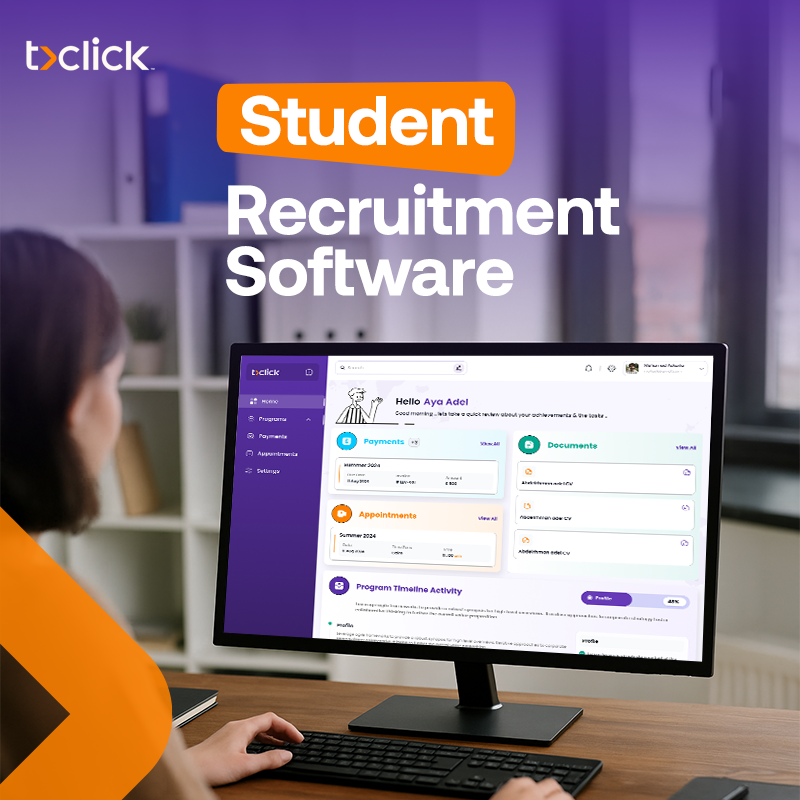
Student recruitment has become more complex than ever. Institutions are no longer dealing with a handful of local inquiries; they’re managing hundreds (sometimes thousands) of leads coming from websites, social media, education fairs, and referrals. Without the right system, those leads slip through the cracks: emails get buried, spreadsheets break, and opportunities are lost. That’s why many universities, agencies, and training providers are turning to student recruitment software. The right platform doesn’t just capture inquiries; it organizes them, tracks every step of the journey, and gives teams the clarity they need to move students from “interested” to “enrolled.” Ultimately, that’s why we built Ticlick, a student recruitment software designed to bring structure, automation, and clarity into every step of the enrollment journey. From capturing leads and managing documents to sending reminders and tracking payments, Ticlick keeps everything in one system so your team works smarter, and your students always know what’s next. What is student recruitment software? Student recruitment software is a digital platform designed to help educational institutions, agencies, and training providers manage the entire recruitment journey from the moment a student shows interest until they officially enroll. Instead of juggling spreadsheets, scattered emails, and manual follow-ups, recruitment software brings everything into one place. It typically includes tools for capturing leads, managing applications, tracking documents, scheduling appointments, sending reminders, and even handling payments. The main idea is simple: make the student journey clearer and the recruiter’s job easier. By automating repetitive tasks and giving both students and staff a structured view of progress, recruitment software reduces errors, saves time, and increases conversion rates. For example, a good system won’t just store a student’s details—it will track which stage they’re in (inquiry, application, interview, acceptance), remind them about missing documents, and allow counsellors to monitor progress in real time. This level of organization is what turns an inquiry into a successful enrollment. Ready to stop losing leads and start enrolling more students? Ticlick was built specifically for international education teams who are tired of juggling spreadsheets, WhatsApp chats, and scattered tools. With one unified platform, you can capture leads, manage applications, track payments, and send reminders automatically—all while giving students the clarity they expect. 👉 Book your free demo today and see how structured, smart recruitment really feels. Key Features of Student Recruitment Software When evaluating a student recruitment platform, it’s important to look beyond the buzzwords and focus on the features that truly make an impact. Here are the core capabilities that the best systems bring to agencies and institutions: 1. Multi-Channel Lead Capture Good recruitment software should centralize inquiries from all sources: your website forms, email campaigns, WhatsApp messages, or event registrations. Instead of scattered spreadsheets, every inquiry is logged in one place, making sure no potential student slips through the cracks. 2. Customizable Pipelines & Stages Every recruitment process is different. Some students move from inquiry to application to interview to enrollment, while others may have visa steps or placement requirements. A flexible system lets you build pipelines tailored to your own workflow, so staff and students always know what comes next. 3. Document & Application Management Student applications often involve passports, transcripts, CVs, or financial records. A strong platform provides secure upload portals, status tracking (e.g., Uploaded, Pending, Approved), and easy verification. This not only saves staff time but also reduces compliance risks. 4. Automated Reminders & Notifications One of the biggest time-savers: automated reminders. Whether it’s nudging a student to upload a missing document, reminding them about an interview, or notifying them of an overdue payment, the system handles follow-ups through email, SMS, or WhatsApp. Staff stop chasing, and students stay on track. 6. Integrated Payments & Invoicing Finance is part of recruitment. Advanced platforms link program fees to student profiles, generate invoices, and allow secure payments (credit card, bank transfer, etc.). Both students and admins benefit from clear visibility into what’s paid and what’s pending. 7. Placements & Appointments Tracking For agencies managing internships, camps, or work-and-travel programs, placements are crucial. Recruitment software should connect students to placements, track offer letters, and sync appointments or embassy interviews with reminders, reducing errors and stress. 8. Reporting & Analytics At the management level, visibility matters. Good systems provide dashboards and exportable reports: how many leads converted, which counsellors performed best, which programs drive the most applications, and where bottlenecks occur. This turns day-to-day activity into actionable insights. 9. Roles & Permissions Finally, security cannot be overlooked. Recruitment platforms must allow admins to define access levels so finance teams see invoices, counsellors see their students, and external partners only see what’s relevant. This protects data while empowering teams. Ready to See How Ticlick Transforms Student Recruitment? Most agencies and institutions still rely on scattered spreadsheets, WhatsApp chats, and email threads to manage their student pipeline. The result is missed leads, late follow-ups, and frustrated students. Ticlick changes that. By combining lead management, program setup, student portals, reminders, payments, and placements in one platform, we give you a single system that keeps everything structured and transparent. Want to see how it all comes together? Explore every feature that makes Ticlick the ultimate student recruitment solution. From lead management and program tracking to reminders, payments, and student portals—everything is built to keep your team organized and your students engaged. 👉 Discover Ticlick’s full feature suite and see how you can transform your recruitment process today. Benefits of Using Student Recruitment Software Centralized Lead Management Instead of tracking student inquiries in scattered spreadsheets or inboxes, recruitment software keeps everything in one system. This means agencies and universities never lose a potential student and can easily see where each lead is in the journey. The result is faster responses and higher conversion rates. Improved Efficiency and Time Savings Manual follow-ups, repeated data entry, and switching between tools waste hours every week. With automation features like reminders,