
Affordable CRM for Study Abroad Agencies in Africa
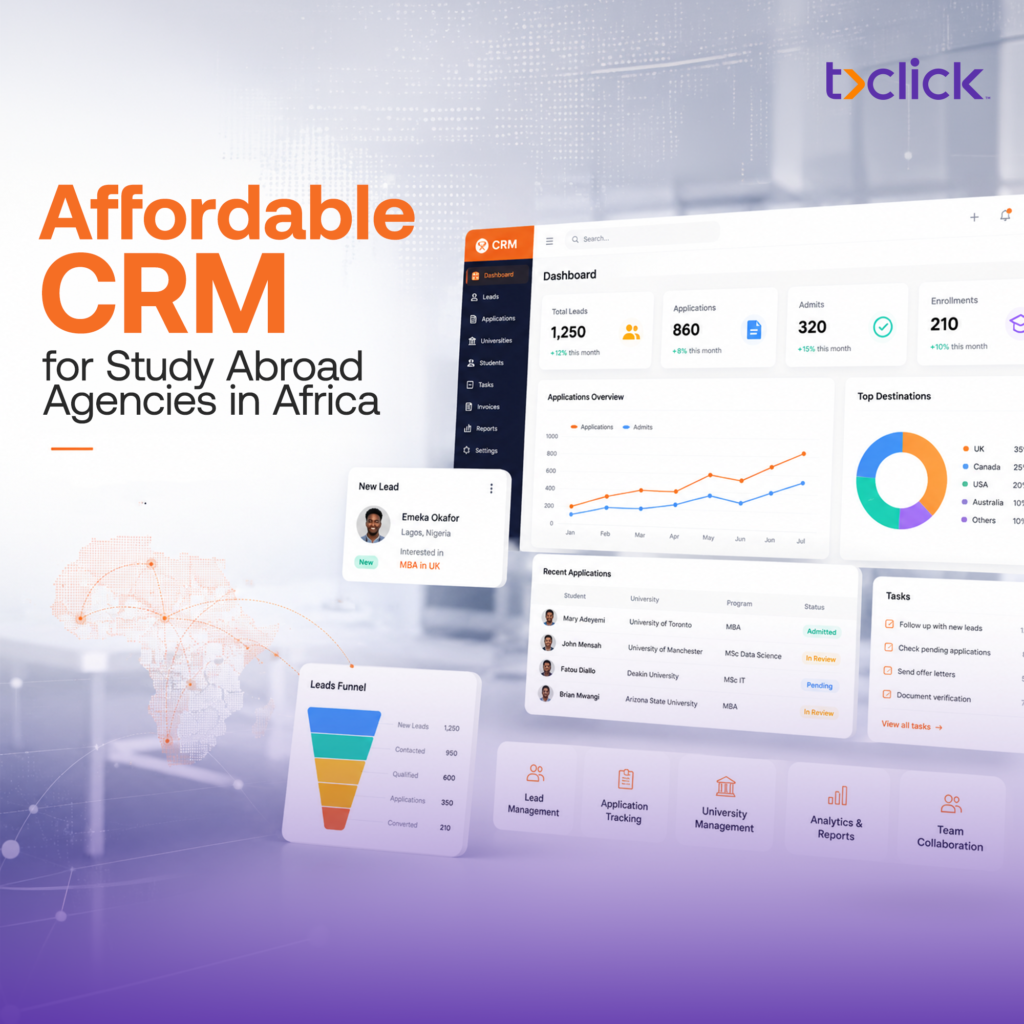
The study abroad industry across Africa is growing at an unprecedented pace. Every year, thousands of students from countries such as Nigeria, Kenya, Ghana, Egypt, South Africa, Tanzania, Uganda, and many others choose to pursue higher education abroad. As international education becomes more accessible, study abroad agencies are managing larger volumes of student inquiries, applications, university partnerships, and admissions workflows than ever before. This rapid growth presents tremendous opportunities, but it also introduces new operational challenges. Modern education agencies are expected to manage every stage of the student journey, including: Student inquiries Initial consultations Program recommendations University applications Document collection Visa guidance Enrollment tracking University partnerships Ongoing student communication For many agencies, these processes are still managed through spreadsheets, emails, WhatsApp conversations, and other disconnected tools. While these methods may work for smaller teams, they quickly become inefficient as recruitment volumes increase. Teams spend more time searching for information, following up manually, and updating spreadsheets than supporting students and building relationships with university partners. This is why more organizations are looking for an affordable CRM for study abroad agencies in Africa. However, affordability isn’t simply about choosing the lowest-priced software. The right CRM should help agencies reduce administrative work, improve team productivity, organize recruitment activities, and increase student enrollment without requiring a significant technology investment. Instead of asking, “Which CRM is the cheapest?”, agencies should ask a more important question: Which CRM delivers the greatest value while supporting long-term growth? A purpose-built education CRM enables agencies to centralize student information, automate repetitive tasks, manage applications efficiently, strengthen university partnerships, and gain complete visibility into the entire recruitment pipeline. Solutions like Ticlick are designed specifically for education organizations, helping study abroad agencies manage recruitment, admissions, communication, and reporting from a single centralized platform. In this guide, you’ll learn what makes a CRM truly affordable, the essential features every study abroad agency should prioritize, how to evaluate CRM solutions based on long-term value rather than price alone, and how the right platform can help your agency grow more efficiently while delivering an exceptional student experience. Why More Study Abroad Agencies Across Africa Are Investing in CRM Software International Student Recruitment Is Growing Rapidly Africa has become one of the fastest-growing regions for international student recruitment. Students are increasingly choosing to study in destinations such as: Destination Why Students Choose It United Kingdom Prestigious universities and globally recognized degrees Canada Post-graduation work opportunities and immigration pathways Australia High-quality education and excellent student support United States Diverse academic programs and research opportunities Germany Affordable tuition and strong engineering programs Ireland Expanding technology and business education opportunities As recruitment demand continues to grow, study abroad agencies must manage significantly more student inquiries, applications, university partnerships, and admissions processes. Without efficient systems, this growth can overwhelm teams and reduce service quality. A CRM provides the structure needed to support larger recruitment operations while maintaining an excellent student experience. Many growing organizations begin by exploring CRM software for educational organizations to understand how education-focused platforms simplify recruitment, admissions, and student management. Agencies Are Managing More Students Than Ever Growth is exciting, but it also creates operational complexity. Many agencies now handle: Thousands of student inquiries every year Hundreds of active applications Partnerships with dozens of universities Multiple destination countries Large volumes of student documentation Continuous communication across several channels Managing these activities manually often results in duplicated work, missed follow-ups, and limited visibility into recruitment performance. A centralized CRM allows every department—from recruitment consultants to admissions teams—to work from the same up-to-date information, improving both efficiency and collaboration. Student Expectations Continue to Rise Today’s students expect far more than assistance with university applications. They expect a smooth, personalized, and digital-first experience from their very first interaction with an education agency. Modern students want agencies to: Respond quickly to inquiries Recommend programs that match their academic goals Provide regular application updates Offer transparent admissions guidance Communicate through their preferred channels Be available whenever they need support For agencies, meeting these expectations becomes increasingly difficult when student information is spread across spreadsheets, emails, WhatsApp chats, and paper records. Imagine a student asking about studying in Canada on WhatsApp, emailing academic transcripts a few days later, and then calling another consultant to ask about scholarship opportunities. Without a centralized system, consultants often spend valuable time searching for previous conversations instead of helping the student. A CRM solves this challenge by creating a complete student profile that includes communication history, documents, applications, notes, and upcoming tasks in one place. This allows consultants to deliver faster, more personalized support while creating a consistent experience throughout the recruitment journey. Operational Efficiency Has Become a Competitive Advantage In today’s education recruitment market, agencies are no longer competing solely based on the universities they represent. They also compete on the quality and speed of the services they provide. Students are far more likely to choose an agency that: Responds promptly Keeps them informed throughout the admissions process Provides organized guidance Processes applications efficiently Maintains professional communication Operational efficiency has become a key differentiator. The agencies that can manage larger recruitment volumes without compromising service quality are the ones most likely to achieve sustainable growth. An affordable CRM gives agencies the tools to improve efficiency without requiring a large investment in additional staff or complex technology. By automating repetitive tasks and centralizing recruitment workflows, agencies can focus more on advising students and building relationships rather than handling administrative work. The Hidden Cost of Managing Your Agency Without a CRM Many agency owners evaluate CRM software based solely on its subscription price. However, the biggest cost often isn’t the software—it’s the inefficiencies that come from operating without one. Manual processes may appear inexpensive at first, but they consume valuable time, reduce productivity, and create missed recruitment opportunities that directly impact revenue. Instead of asking “How much does a CRM cost?”, agencies should ask: “How much is my agency losing by not having one?” Let’s look at the hidden costs that
How a CRM for Education Agencies in Nigeria Improves Student Recruitment

Nigeria is one of the most active student recruitment markets in Africa. Every year, thousands of Nigerian students explore international education opportunities in destinations such as the United Kingdom, Canada, the United States, Australia, Europe, and other global study markets. For many students, studying abroad is not only an academic decision. It is a long-term investment in career growth, international exposure, professional development, and future opportunities. For education agencies in Nigeria, this creates a strong growth opportunity. However, it also creates operational complexity. Agencies are no longer managing a small number of student inquiries through phone calls and spreadsheets. They are now handling large volumes of leads across websites, social media, WhatsApp, email campaigns, education fairs, referrals, and university partnerships. At the same time, agencies must manage consultations, applications, documents, admissions requirements, visa processes, university communication, counselor performance, and enrollment tracking. Without a structured system, these workflows can quickly become difficult to control. This is why many organizations are investing in a CRM for education agencies in Nigeria. A modern education CRM helps agencies centralize student recruitment, automate follow-ups, manage applications, organize documents, track visa stages, strengthen university partnerships, and gain complete visibility across the student journey. Instead of working across disconnected spreadsheets, inboxes, and manual records, agencies can manage their entire recruitment operation from one platform. Solutions like Ticlick help education agencies build more scalable recruitment systems by connecting student data, communication, admissions workflows, university relationships, and reporting in one organized environment. In this guide, we will explore why Nigerian education agencies need CRM software, what features matter most, and how the right platform can improve recruitment performance, operational efficiency, and long-term agency growth. Why Education Agencies in Nigeria Are Growing Rapidly Rising Demand for International Education Nigeria has a strong and growing demand for international education. Many students and families view studying abroad as a pathway to better academic quality, global exposure, career opportunities, and long-term professional mobility. Popular study destinations often include: Destination Why Nigerian Students Consider It United Kingdom Strong university reputation and popular postgraduate programs Canada Study-to-work opportunities and immigration pathways United States Wide program variety and global academic recognition Australia International student support and career pathways Europe Affordable tuition options and specialized programs This demand creates significant opportunities for education agencies. However, it also means agencies must manage more inquiries, more applications, more university relationships, and more student expectations than ever before. A CRM helps agencies organize this growth instead of allowing it to become operational pressure. Increasing Competition Among Education Agencies The Nigerian education recruitment market is highly competitive. Students can choose from: local study abroad agencies international education consultants university representatives online admissions platforms destination-specific recruitment companies This means agencies must compete not only on university partnerships, but also on speed, trust, communication quality, and student experience. Students are more likely to continue with an agency that responds quickly, explains options clearly, tracks their application professionally, and keeps them updated throughout the process. A CRM for education agencies in Nigeria helps teams deliver this level of service consistently. It allows consultants to manage student information, follow-ups, documents, and application updates without depending on memory or manual spreadsheets. Growing Student Expectations Today’s students expect a digital and personalized experience. They want agencies to understand their goals, recommend suitable programs, explain admission requirements, and provide timely updates. They also expect communication through familiar channels such as WhatsApp, email, phone calls, and social media. This creates a challenge for agencies. When student conversations are spread across different consultants and communication tools, it becomes difficult to maintain a complete record of each student’s journey. A CRM centralizes student history so consultants can provide more informed and personalized support. This improves the student experience and helps agencies build stronger trust. Expansion of Global University Partnerships Education agencies in Nigeria often work with multiple universities, colleges, pathway providers, and international institutions. Each partner may have different: admission requirements application deadlines tuition structures scholarship options document requirements commission agreements communication processes Managing these partnerships manually becomes difficult as the network grows. A CRM helps agencies track university contacts, student applications, recruitment outcomes, and partner performance in one place. This makes partnership management more strategic and less reactive. The Need for Scalable Recruitment Operations Growth is valuable, but only when the agency can manage it properly. An agency may generate hundreds or thousands of leads, but without the right system, many of those opportunities may never convert into applications or enrollments. Scalable recruitment operations require: clear lead pipelines organized student records structured follow-up workflows application tracking document visibility reporting dashboards team performance monitoring A CRM provides the operational foundation needed to manage higher student volumes without losing quality or control. Education agencies looking to centralize recruitment, admissions, and student management often invest in CRM software for educational organizations to improve operational efficiency and visibility. The Biggest Challenges Facing Education Agencies in Nigeria Managing High Volumes of Student Inquiries One of the most common challenges Nigerian education agencies face is lead volume. Students may contact agencies through: website forms WhatsApp messages Instagram and Facebook campaigns Google Ads education fairs referrals walk-ins university events Each inquiry represents a potential student. But when leads are not captured properly, agencies risk losing valuable opportunities. For example, a student may ask about studying in Canada through WhatsApp, then later send documents by email, while another consultant records notes in a spreadsheet. Without a centralized system, the student journey becomes fragmented. A CRM helps agencies capture, assign, and track every inquiry from the first interaction. This ensures that no student is ignored, duplicated, or forgotten. Student Information Is Scattered Across Multiple Systems Many agencies rely on different tools for different activities. A typical agency may use: Activity Common Manual Tool Lead tracking Excel or Google Sheets Communication WhatsApp and email Documents Google Drive or folders Applications Spreadsheets Team tasks Notes or messaging apps Reporting Manual reports This creates information silos. No one has a complete view
How a CRM for Education Agencies in Jordan Improves Student Recruitment

Jordan has established itself as one of the region’s most active hubs for international education, cultural exchange programs, student mobility initiatives, and study abroad services. Every year, thousands of Jordanian students explore opportunities to study, train, or participate in exchange programs abroad. At the same time, education agencies across Jordan continue expanding their partnerships with universities, language schools, internship providers, and international education organizations worldwide. While this growth creates exciting opportunities, it also introduces significant operational challenges. Modern education agencies are expected to manage: Student inquiries from multiple channels Consultation and advising processes University applications Document collection Visa support Exchange program coordination University partnerships Enrollment tracking Alumni engagement Managing these activities through spreadsheets, emails, and disconnected systems often leads to inefficiencies, missed opportunities, and limited visibility. As competition increases and student expectations continue to evolve, agencies need technology that helps them operate more efficiently while delivering exceptional student experiences. This is where a CRM for education agencies in Jordan becomes essential. A modern education CRM helps agencies centralize student recruitment, streamline admissions workflows, improve communication, strengthen institutional partnerships, and gain complete visibility into every stage of the student journey. Instead of relying on manual processes, organizations can manage recruitment, admissions, and student success from one centralized platform. In this guide, we’ll explore why education agencies in Jordan need specialized CRM software, the challenges it solves, and how the right solution can support sustainable growth. Why Education Agencies in Jordan Are Evolving Rapidly Growing Interest in International Education Over the past decade, student interest in international education has increased significantly across Jordan. Students are pursuing opportunities in: Undergraduate programs Graduate studies Language courses Exchange programs Internship placements Professional certifications Popular destinations include: Destination Popular Programs United Kingdom Bachelor’s & Master’s Degrees Germany Engineering & Technical Programs Canada Undergraduate & Immigration Pathways Australia Higher Education & Vocational Programs United States Academic & Exchange Programs Europe Affordable International Education As student demand grows, agencies must manage larger recruitment pipelines and increasingly complex admissions processes. Increasing Student Expectations Today’s students expect a highly responsive and personalized experience. They want: Fast responses Personalized guidance Transparent admissions processes Real-time updates Digital communication channels Professional support throughout the journey Agencies that fail to meet these expectations risk losing students to competitors. A CRM helps agencies deliver a more organized and student-centric experience. More Recruitment Channels Than Ever Before Student inquiries now come from multiple sources. Common recruitment channels include: Agency websites Google Ads Social media campaigns WhatsApp Education fairs Referral programs University events While these channels generate opportunities, they also create complexity. Without centralized lead management, agencies may struggle to identify: Which channels generate the best leads Which students require follow-up Which campaigns drive enrollments Which consultants are achieving the best results A CRM helps consolidate all recruitment activities into one system. The Need for Better Operational Visibility As agencies grow, visibility becomes increasingly important. Managers need answers to questions such as: How many active leads do we have? Which students are ready to apply? Which applications are pending? Which universities generate the highest enrollments? Which recruitment channels perform best? Without centralized reporting, obtaining these insights often requires extensive manual work. A CRM provides real-time visibility that supports better decision-making. Education agencies looking to improve recruitment efficiency often adopt CRM software for educational organizations to centralize student management, admissions workflows, communication, and reporting. The Biggest Challenges Facing Education Agencies in Jordan Student Information Is Scattered Across Multiple Systems One of the most common operational challenges is fragmented data. Student information often exists across: Excel spreadsheets Email inboxes WhatsApp conversations Shared folders Consultant notes This makes it difficult to maintain a complete view of each student. A consultant may have consultation notes in one location, documents in another, and communication history elsewhere. This fragmentation creates inefficiencies and increases the risk of mistakes. A CRM centralizes information into a single student profile. Managing WhatsApp, Email, and Social Media Communication Communication is at the heart of student recruitment. However, communication today occurs across multiple platforms. Students may: Send inquiries through Instagram Submit documents via WhatsApp Receive updates through email Schedule consultations through phone calls Managing these interactions manually becomes increasingly difficult as recruitment volumes grow. A CRM helps agencies maintain visibility across communication channels and provide more consistent support. Following Up With Hundreds of Prospective Students Recruitment is rarely completed after a single interaction. Students often require multiple consultations and follow-ups before making a decision. For example: Student Stage Typical Follow-Up Inquiry Initial consultation Consultation Program recommendations Application Preparation Document requests Application Submission Status updates Offer Stage Enrollment guidance Visa Process Documentation support Without structured workflows, valuable opportunities can easily be lost. A CRM ensures that every student receives timely communication throughout the recruitment process. Coordinating Applications Across Multiple Universities Many Jordanian education agencies work with a large network of international universities. Each institution may have different: Admission requirements Deadlines Scholarship opportunities Application processes Documentation requirements Tracking these requirements manually can quickly become overwhelming. A CRM helps agencies organize applications and maintain visibility across every institution and program. Managing Exchange Programs and Student Placements Many agencies in Jordan offer more than traditional study abroad services. They may also manage: Cultural exchange programs Internship placements Work and travel opportunities Language immersion programs International training initiatives These programs involve additional coordination between students, institutions, host organizations, and program administrators. A CRM provides the structure needed to manage these relationships efficiently. Tracking Student Progress From Inquiry to Enrollment Student recruitment is a journey rather than a single transaction. Agencies need visibility into every stage of that journey. Without a CRM, it becomes difficult to determine: Which students are actively engaged Which applications are delayed Which students need support Which enrollments are at risk A centralized system provides complete visibility and improves student outcomes. What Is a CRM for Education Agencies? More Than a Traditional Sales CRM Many CRM platforms are designed for traditional sales organizations. Education agencies, however, operate very
Best CRM for Education Agencies in Egypt: Features, Benefits & Guide
Egypt has become one of the largest student recruitment markets in the Middle East and North Africa. Every year, thousands of Egyptian students explore opportunities to study abroad in destinations such as the United Kingdom, Canada, Germany, Australia, the United States, and many other countries. As demand for international education continues to grow, education agencies across Egypt face increasing pressure to manage larger numbers of student inquiries, applications, university partnerships, and admissions processes. What once could be managed through spreadsheets and manual follow-ups is becoming increasingly difficult. Students today expect fast responses, personalized support, transparent communication, and smooth admissions experiences. At the same time, agencies must coordinate applications, collect documents, communicate with universities, track visa requirements, and monitor enrollment outcomes. Managing all these activities manually often creates inefficiencies that limit growth. This is why more organizations are investing in a CRM for education agencies in Egypt. A modern education CRM helps agencies centralize student recruitment, streamline admissions workflows, improve communication, strengthen university relationships, and gain complete visibility into the student lifecycle. Instead of managing information across multiple disconnected systems, agencies can oversee every stage of recruitment and admissions from a single platform. In this guide, we’ll explore why education agencies in Egypt need specialized CRM software, the challenges it solves, the features that matter most, and how the right solution can help agencies improve recruitment performance and scale more effectively. Why Education Agencies in Egypt Are Growing Faster Than Ever Rising Demand for Study Abroad Opportunities Over the past decade, the study abroad market in Egypt has expanded significantly. Students are increasingly looking for international education opportunities that provide: Higher-quality academic programs Better career prospects Global exposure International work opportunities Access to specialized fields of study As a result, education agencies are handling more inquiries than ever before. What may have once been a few hundred annual inquiries can now become thousands of student interactions across multiple destinations and programs. This growth creates tremendous opportunities for agencies, but it also increases operational complexity. The more students an agency serves, the more important it becomes to have systems that can organize data, track progress, and maintain visibility across every recruitment activity. More Student Inquiries Across Multiple Channels Student recruitment is no longer limited to phone calls and office visits. Today’s students interact with agencies through multiple channels, including: Websites Social media platforms WhatsApp Email Education fairs Referral programs Digital advertising campaigns Each channel generates valuable leads. However, managing inquiries across multiple communication channels often creates challenges. Without a centralized system, agencies may struggle to answer questions such as: Which leads came from Facebook campaigns? Which students require follow-up? Which inquiries have already been contacted? Which leads are most likely to convert? A CRM helps agencies consolidate all inquiries into one system, providing complete visibility into lead sources and student engagement. Increasing Competition Among Education Agencies The international education sector in Egypt has become highly competitive. Students now have access to: Local education agencies International recruitment firms University recruitment offices Online admissions platforms This means agencies must differentiate themselves through service quality, responsiveness, and operational efficiency. Students often choose agencies that provide: Faster communication Better guidance Personalized support Transparent admissions processes Organizations that rely heavily on manual systems may struggle to maintain these standards as they grow. A CRM helps agencies create consistent experiences that improve student satisfaction and increase conversion rates. The Need for Faster and More Personalized Student Support Modern students expect personalized experiences. They do not want generic recommendations or delayed responses. Instead, they expect agencies to understand: Their academic background Their preferred destinations Their budget Their career aspirations Their admission requirements Providing this level of personalization becomes difficult when information is scattered across emails, spreadsheets, and messaging platforms. A CRM creates a centralized student profile that allows consultants to quickly understand a student’s history, preferences, and current status. This enables agencies to deliver more meaningful support while improving efficiency. The Operational Challenges Facing Education Agencies in Egypt Student Information Is Scattered Everywhere One of the most common challenges facing education agencies is fragmented information. Student data often exists across: Excel spreadsheets Google Sheets Email inboxes WhatsApp conversations Shared drives Consultant notes This creates operational inefficiencies because teams spend significant amounts of time searching for information. For example, a consultant may have application notes in a spreadsheet, documents stored in Google Drive, and communication history inside WhatsApp. When information is fragmented, it becomes difficult to understand where the student is in their journey. This lack of visibility can lead to delays, missed opportunities, and inconsistent student experiences. A CRM solves this problem by creating a single source of truth where all student information is connected and easily accessible. WhatsApp Has Become the Primary Communication Channel In Egypt, WhatsApp has become one of the most important communication tools for education agencies. Students frequently use WhatsApp to: Request information Submit documents Ask questions Receive updates Schedule consultations While WhatsApp is convenient, managing hundreds or thousands of conversations manually can become overwhelming. Important messages may be missed. Follow-ups may be delayed. Communication history may become difficult to track. A CRM helps agencies organize communication more effectively and maintain visibility into every student interaction. Follow-Ups Are Easy to Miss Student recruitment is rarely completed after one conversation. Many students require multiple interactions before making a decision. For example: Student Stage Typical Follow-Up Requirement Initial Inquiry Consultation scheduling Consultation Completed Program recommendations Application Preparation Document collection University Submission Status updates Offer Received Acceptance guidance Visa Stage Documentation support Without structured follow-up processes, valuable opportunities can be lost. A CRM helps automate reminders and ensures students continue moving through the recruitment pipeline. Application Management Requires Significant Manual Work Application management is one of the most labor-intensive activities in any education agency. Each student application may involve: Multiple documents University-specific requirements Deadlines Internal reviews Communication with institutions When applications are managed manually, administrative workload increases significantly. This often creates bottlenecks that slow down admissions processes and impact student satisfaction. A CRM helps agencies streamline application
Best CRM for Education Agencies in GCC: Features, Benefits & Guide
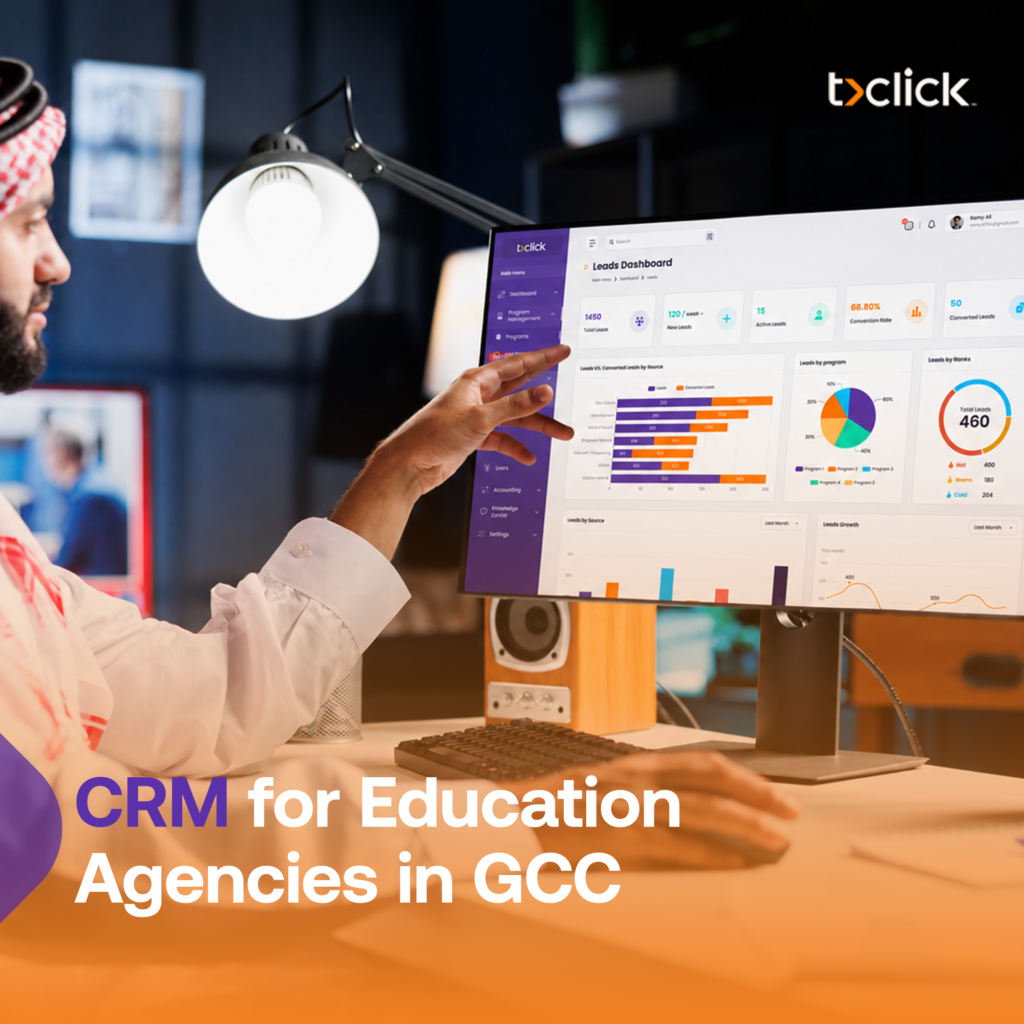
The education industry across the Gulf Cooperation Council (GCC) region is experiencing unprecedented growth. Countries such as Saudi Arabia, the United Arab Emirates, Qatar, Kuwait, Bahrain, and Oman are investing heavily in education, international partnerships, student mobility programs, and workforce development initiatives. At the same time, more students are exploring study abroad opportunities, language programs, exchange programs, pathway courses, and international university admissions. For education agencies operating in the GCC, this growth presents both opportunity and complexity. Managing student inquiries, applications, university partnerships, communication, documentation, visa processes, recruitment campaigns, and enrollment tracking has become increasingly difficult using spreadsheets and disconnected tools. As competition increases and student expectations continue to evolve, education agencies need systems that help them operate efficiently while delivering exceptional student experiences. This is why many organizations are investing in a CRM for education agencies in GCC. A modern education CRM helps agencies centralize student management, automate workflows, improve communication, strengthen university partnerships, and gain visibility into the entire student recruitment journey. Instead of relying on manual processes, agencies can manage every stage of the student lifecycle from first inquiry to enrollment and beyond through a single platform. Solutions like Ticlick are helping education agencies across the GCC streamline operations, improve recruitment performance, and scale sustainably in an increasingly competitive market. In this guide, we will explore why GCC education agencies need CRM software, the features that matter most, and how the right platform can support long-term growth. Why Education Agencies in the GCC Need Specialized CRM Software The GCC Education Market Is Growing Rapidly The education sector across the GCC has transformed significantly over the past decade. Several factors are driving this growth: Increasing student mobility Government investment in education Growing interest in international universities Expansion of scholarship programs Workforce development initiatives Demand for overseas education opportunities As more students seek international education pathways, agencies must manage larger volumes of inquiries, applications, and university relationships. Without a centralized CRM system, maintaining efficiency becomes increasingly difficult. Student Expectations Have Changed Today’s students expect fast, personalized, and transparent communication. They want: Student Expectation Why It Matters Fast Responses Improves conversion rates Clear Guidance Reduces uncertainty Personalized Support Builds trust Real-Time Updates Enhances experience Digital Communication Matches modern preferences Education agencies that fail to meet these expectations risk losing prospective students to competitors. A CRM helps agencies deliver a more consistent and responsive experience. Managing the Student Journey Has Become More Complex The student journey often includes multiple stages: Initial inquiry Consultation Program selection University application Document collection Offer management Visa processing Enrollment Pre-departure preparation Each stage generates data, communication, and administrative tasks. Managing this process manually often creates delays, errors, and visibility challenges. A CRM centralizes every step of the journey. University Partnerships Require Better Visibility Many GCC education agencies work with dozens or even hundreds of universities. Managing these relationships requires: Partnership tracking Commission management Recruitment performance monitoring Communication management Placement reporting A CRM helps agencies maintain stronger institutional relationships while improving operational visibility. As education agencies across the GCC continue to grow, many organizations are adopting CRM software for educational organizations to centralize student management, recruitment workflows, and operational processes. What Is a CRM for Education Agencies? More Than a Traditional CRM A CRM for education agencies is not simply a sales tool. Unlike traditional business CRMs, education-focused platforms are designed specifically to manage: Student recruitment Admissions workflows University partnerships Document management Visa processes Placement tracking Communication history This makes them far more suitable for education organizations. The Central Hub of Agency Operations Think of an education CRM as the operational headquarters of an agency. Every interaction, application, document, communication record, and recruitment activity can be managed from one centralized environment. This provides a single source of truth for the entire organization. Who Uses Education Agency CRMs? Education CRM platforms support a variety of organizations across the GCC. Organization Type Typical Use Case Study Abroad Agencies Student recruitment and admissions Exchange Program Providers Participant management Language Schools Student lifecycle management Education Consultants Lead and applicant tracking Placement Organizations Student placement management Recruitment Agencies University recruitment operations The Student Recruitment Lifecycle Every GCC Agency Should Manage Stage 1: Capturing and Managing Student Inquiries Every student journey begins with an inquiry. Students may come from: Websites Social media campaigns Education fairs Referrals University partnerships WhatsApp inquiries A CRM ensures every lead is captured, tracked, and assigned appropriately. Without this visibility, potential students can easily be lost. Stage 2: Consultation and Qualification Not every inquiry becomes an applicant. Agencies need to assess: Academic background Budget Destination preferences Career goals Language proficiency A CRM helps consultants track these conversations and maintain a complete record of every prospect. Stage 3: Program and University Matching Matching students with the right institutions is one of the most valuable services an agency provides. The CRM helps organize: Program options University recommendations Eligibility requirements Student preferences Application opportunities This improves both efficiency and student satisfaction. Stage 4: Application and Document Management Application management is often one of the most administrative parts of the process. Agencies need to collect: Transcripts Passports Recommendation letters Personal statements Language test scores Financial documents A CRM centralizes document collection and reduces administrative complexity. Stage 5: Offer, Visa, and Enrollment Tracking After applications are submitted, agencies continue supporting students through: Offer management Acceptance processes Visa documentation Enrollment preparation This stage requires significant coordination and visibility. A CRM helps ensure no critical task is overlooked. Stage 6: Student Success and Alumni Engagement The student relationship does not end at enrollment. Many agencies maintain long-term relationships through: Alumni programs Referrals Additional services Future education opportunities A CRM helps organizations continue nurturing these relationships over time. The Features That Define the Best CRM for Education Agencies in GCC Centralized Student Management One of the biggest challenges education agencies face is managing student information across multiple systems. In many agencies, student records are spread across: Excel spreadsheets Email inboxes
How Host Organization Management Software Strengthens Placements and Partnerships

Behind every successful exchange program, internship placement, cultural exchange initiative, or study abroad opportunity is a strong host organization. Host organizations provide the environment where participants gain real-world experience, develop professional skills, build cultural awareness, and achieve the goals that brought them into the program in the first place. For organizations managing exchange programs, internships, J1 initiatives, workforce development projects, or study abroad placements, host organizations are much more than placement providers. They are long-term strategic partners. However, managing host organization networks is becoming increasingly complex. Many organizations now work with dozens—or even hundreds—of host organizations across multiple industries, locations, and program types. Each host organization may have unique requirements, placement opportunities, agreements, compliance obligations, communication preferences, and performance expectations. Managing all of this through spreadsheets, emails, and disconnected systems can quickly become overwhelming. This is why more organizations are investing in host organization management software. A modern host organization management software solution helps organizations centralize host records, streamline communication, manage placements, track performance, monitor compliance, and strengthen long-term partnerships. Instead of simply storing contact information, the right platform becomes the operational hub for managing the entire host organization lifecycle. In this guide, we will explore what host organization management software is, why organizations need it, the features that matter most, and how it helps improve both operational efficiency and participant success. Why Host Organization Management Has Become More Complex Growing Networks of Host Organizations As exchange and placement programs grow, organizations naturally expand their host networks. A program that once worked with 10 host organizations may now work with 50, 100, or even several hundred. Each new host organization introduces additional complexity: New contacts New placement opportunities New agreements New compliance requirements New communication workflows Without a centralized management system, maintaining visibility across these relationships becomes increasingly difficult. More Placements, More Relationships, More Data Every placement generates information. Organizations need to manage: Data Type Examples Host Information Company profile, industry, location Contacts Supervisors, HR managers, coordinators Placements Active and historical placements Agreements Contracts, partnership documents Communication Emails, meetings, follow-ups Compliance Records Reviews, approvals, audits Performance Data Placement success and feedback As programs scale, this information grows rapidly. Host organization management software helps ensure that valuable data remains organized and accessible. Organizations managing host organizations often rely on exchange program management systems to centralize placements, participant tracking, communication, and operational workflows. The Challenge of Maintaining Consistent Communication Communication is one of the most important factors in successful host relationships. Organizations must regularly communicate regarding: Placement opportunities Participant updates Documentation Evaluations Compliance requirements Partnership discussions When communication history is scattered across multiple channels, teams often lose visibility into important interactions. This can lead to missed opportunities, duplicated efforts, and weakened relationships. A centralized software platform helps maintain a complete record of communication history, ensuring continuity even when staff members change. Why Visibility Matters Across Every Host Partnership Program leaders need visibility into host organization activity. They should be able to answer questions such as: Which host organizations are currently active? Which organizations provide the most placements? Which partnerships are growing? Which hosts require follow-up? Which agreements are approaching renewal? Without centralized reporting, obtaining these insights becomes time-consuming. Host organization management software provides real-time visibility that supports better decision-making and stronger partnership management. What Is Host Organization Management Software? More Than a Contact Database Many organizations mistakenly treat host organization management as simple contact management. However, modern host organization management software goes far beyond storing names and email addresses. It helps organizations manage the following: Relationships Placements Communication Documentation Compliance Performance monitoring Partnership development In other words, it manages the complete relationship lifecycle. A Centralized System for Managing Host Relationships Think of host organization management software as a CRM specifically designed for managing placement and exchange partnerships. Instead of relying on spreadsheets and scattered communication, organizations gain one centralized environment where they can track every interaction, placement opportunity, and partnership activity. This creates a single source of truth for the entire organization. Who Uses Host Organization Management Software? Several types of organizations benefit from host organization management software. Organization Type Typical Use Case Exchange Program Organizations Managing host companies and sponsors J1 Program Providers Tracking host organizations and placements Internship Providers Managing internship hosts and employers Study Abroad Agencies Coordinating placement partners Cultural Exchange Organizations Supporting participant placements Workforce Development Programs Managing employer networks As host networks expand globally, organizations may also benefit from international student placement software global solutions that support large-scale placement management and partnership coordination. The Host Organization Lifecycle Every Program Should Manage One of the biggest mistakes organizations make is viewing host organizations as placement providers only. In reality, every host organization moves through a lifecycle. Stage 1: Identifying Potential Host Organizations The relationship begins with identifying potential hosts. Organizations evaluate: Industry relevance Capacity Location Program alignment Participant opportunities Strong software helps maintain a pipeline of potential host partners. Stage 2: Evaluating and Approving Hosts Before becoming active partners, host organizations often undergo evaluation processes. These may include: Site reviews Interviews Documentation reviews Compliance checks Program suitability assessments Tracking these activities manually can be difficult as networks grow. Stage 3: Managing Placement Opportunities Once approved, host organizations begin providing placement opportunities. Software helps organizations track: Open opportunities Placement requirements Capacity limits Application status Placement outcomes Stage 4: Supporting Active Host Organizations Relationships require ongoing management. Organizations need to provide support through: Regular communication Problem resolution Participant coordination Performance reviews Strong host management systems help ensure no relationship is neglected. Stage 5: Monitoring Performance and Engagement Not all host organizations contribute equally. Organizations should monitor: Metric Why It Matters Placement Volume Measures activity Participant Satisfaction Measures quality Retention Rate Measures relationship strength Feedback Scores Measures host performance Program Participation Measures engagement This visibility helps identify top-performing partners. Stage 6: Renewing and Expanding Partnerships The strongest partnerships grow over time. Organizations can use software to identify opportunities for: Additional placements New program participation Geographic
Internship Placement Tracking Software for Universities and Career Centers
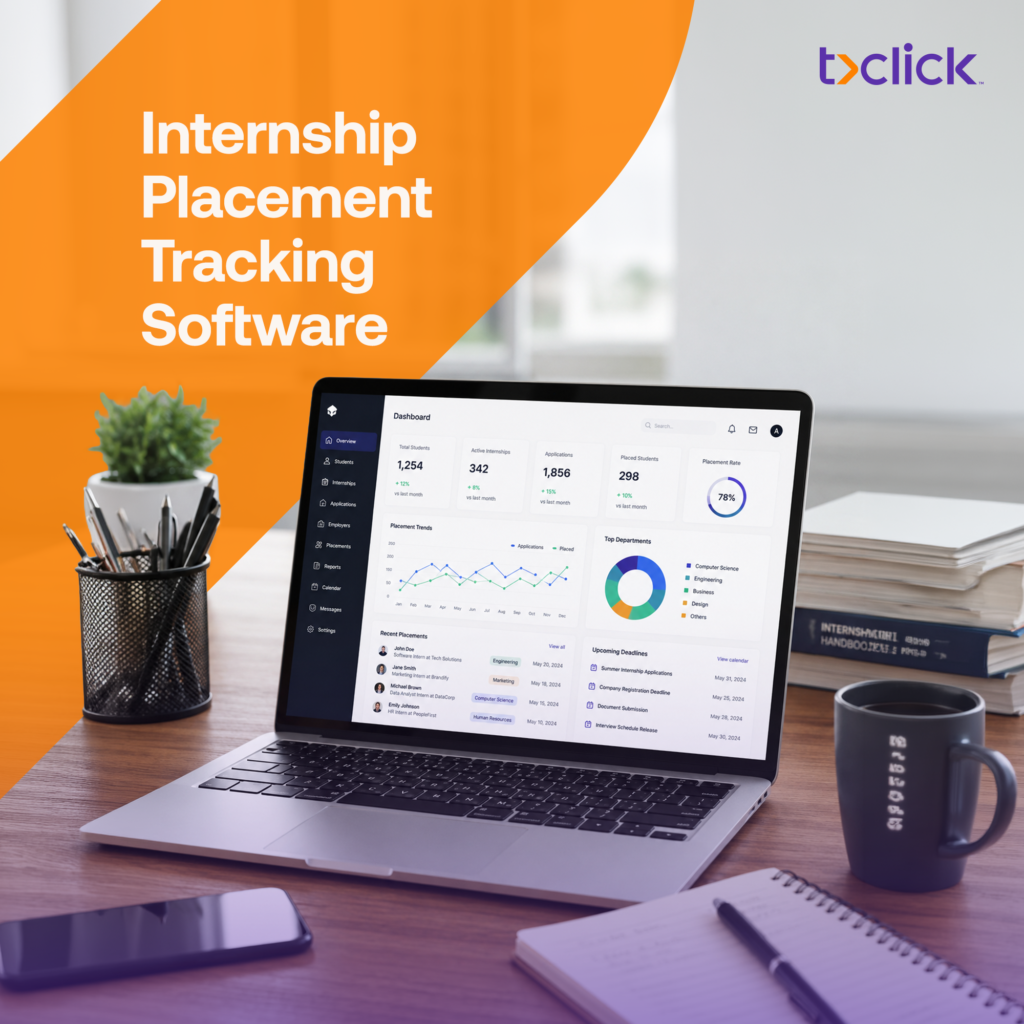
More Students, More Placements, More Data Internship programs are growing rapidly because students now understand that academic knowledge alone is not always enough to compete in the job market. They need practical experience, workplace exposure, and real projects that help them build confidence before graduation. For universities, career centers, internship providers, and exchange organizations, this means managing a much larger volume of student records, employer opportunities, placement stages, documents, and progress updates. As the number of students increases, the operational workload increases as well. Teams need to track who applied, who is eligible, who has been matched, who is still waiting, which employer accepted which student, and whether the internship was completed successfully. Without internship placement tracking software, this information often becomes scattered across spreadsheets, emails, and shared folders. This makes it difficult to maintain accuracy, avoid duplicated work, or understand the real status of every student. A centralized system helps organizations manage this growing data in a structured way, giving teams one clear view of students, employers, placements, and outcomes. Multiple Stakeholders in Every Internship Journey An internship placement is not managed by one person only. It usually involves several stakeholders who all need accurate updates at different stages. The student needs to know the status of their application and what steps they should take next. The employer needs access to student profiles, required documents, timelines, and communication history. The internship coordinator needs to track placement progress, missing documents, and employer responses. The university or program provider needs reporting, completion data, and proof that the internship met academic or program requirements. When all these stakeholders communicate through separate emails, messages, and files, mistakes become more likely. A student may receive delayed updates, an employer may not get the correct document, or a coordinator may lose track of an important follow-up. Internship placement tracking software connects these stakeholders through one organized workflow. It helps teams keep communication, documents, placement status, and responsibilities clear, which improves the overall internship experience. The Rising Demand for Visibility and Accountability Internship programs are now expected to show measurable results. Organizations need to prove that their programs are not only active, but also effective. Leadership teams, academic departments, funding bodies, employers, and students often want to know how well the internship program is performing. This includes placement rates, completion rates, student satisfaction, employer feedback, and career outcomes. Without a proper tracking system, collecting this information can take a lot of time. Teams may need to manually review spreadsheets, emails, feedback forms, and student files just to prepare one report. Internship placement tracking software gives organizations better visibility through dashboards and centralized records. This makes it easier to understand what is working, where students need support, and how the program can improve over time. Organizations managing internships often rely on CRM software for educational organizations to centralize student data, communication, recruitment workflows, and program management activities. Why Manual Tracking Creates Operational Bottlenecks Manual tracking may seem simple at the beginning, especially for small internship programs. But as the program grows, manual processes start creating delays and confusion. For example, a coordinator may forget to follow up with an employer, a student’s document may be saved in the wrong folder, or a placement status may not be updated in the spreadsheet. These small issues can quickly become bigger problems when many students and employers are involved. Manual processes also consume valuable staff time. Instead of focusing on student support and employer relationships, teams spend hours updating files, searching for information, checking emails, and preparing reports manually. Internship placement tracking software reduces these bottlenecks by automating reminders, centralizing records, organizing workflows, and helping teams see what needs action immediately. What Is Internship Placement Tracking Software? More Than a Placement Database Internship placement tracking software is much more than a simple database. It is a complete system that helps organizations manage the full internship journey from the first student application to final program outcomes. A basic database may only store names, contact details, and employer information. But internship placement tracking software helps teams actively manage processes. It shows where each student is in the placement journey, what documents are missing, which employer has been contacted, whether the internship has started, and what feedback has been collected. This transforms internship management from passive recordkeeping into active program coordination. The real value is not only storing information. The value is helping teams take action faster, support students better, coordinate with employers more effectively, and measure program success accurately. The Operational Hub of Modern Internship Programs A modern internship program needs one central place where all information comes together. This is what internship placement tracking software provides. It becomes the operational hub for student profiles, employer records, placement opportunities, communication history, documents, evaluations, and reports. When everything is connected, teams can work more efficiently. A coordinator can open one student profile and immediately understand the student’s interests, placement status, documents, employer match, progress updates, and outcome history. This level of visibility helps organizations avoid confusion and respond faster. It also improves collaboration between departments. Career services, academic supervisors, program coordinators, and employer relations teams can all work from the same source of information instead of relying on separate files. The Internship Journey Every Organization Should Track Attracting and Screening Students The internship journey begins before the actual placement. Organizations first need to attract students and identify who is ready for an internship opportunity. Students may come from different sources such as university portals, career fairs, website forms, study abroad agencies, exchange programs, or employer events. Each inquiry or application needs to be captured and organized properly. Screening is also important. Not every student is ready for every internship. Teams may need to review academic background, language level, skills, availability, location preferences, and career goals. Internship placement tracking software helps organize this early stage by keeping all student information in one place. This allows teams to identify suitable students faster and prepare them for the
Exchange Program Management System: The Complete Guide to Managing Participants, Compliance, and Program Success
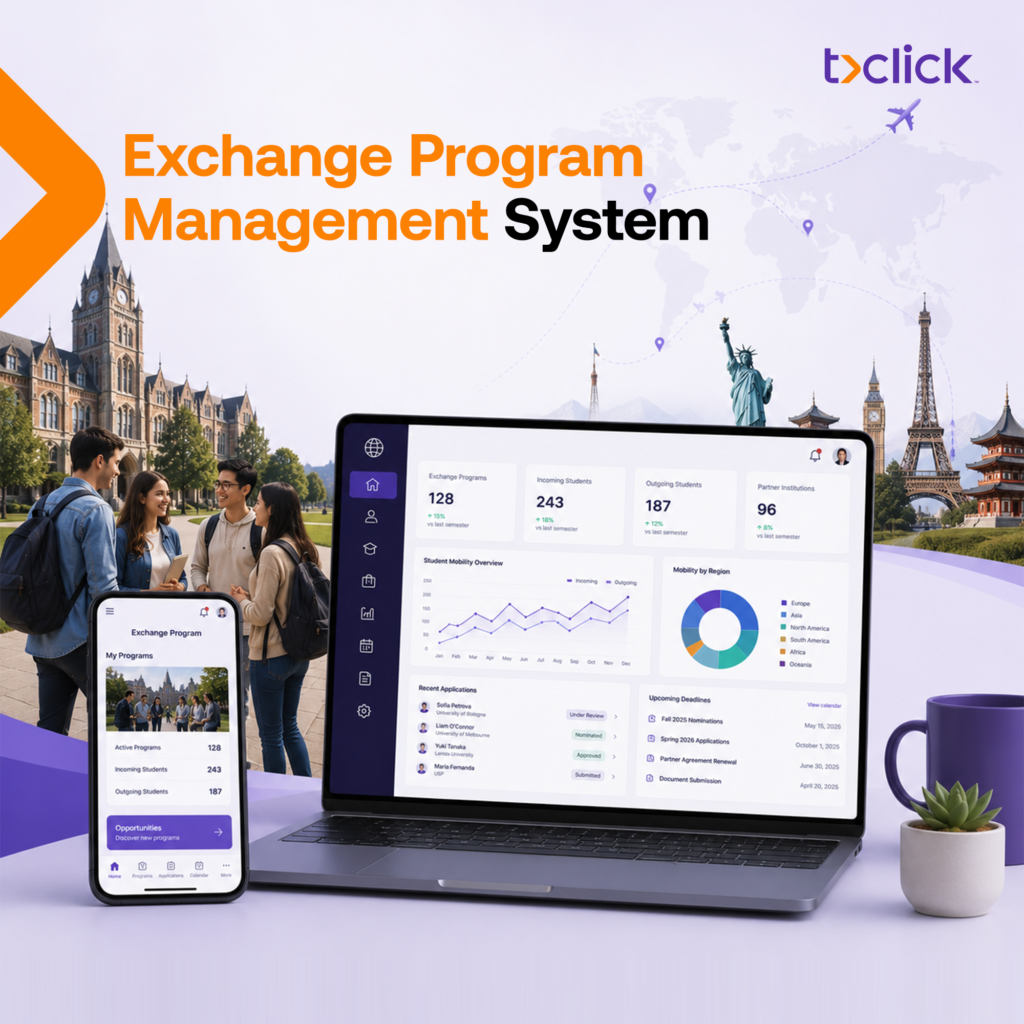
Exchange programs create life-changing opportunities. They connect students, professionals, educators, and cultural ambassadors with experiences that help them grow academically, professionally, and personally. Whether it’s a J1 Work & Travel program, an internship placement, a study abroad initiative, or a cultural exchange opportunity, these programs depend on careful planning and flawless execution. But behind every successful exchange experience is a complex operational process. Organizations must manage applications, participant records, documentation, compliance requirements, communication, placements, host organizations, and ongoing participant support—all while maintaining visibility across hundreds or even thousands of participants. As exchange programs continue growing in scale and complexity, manual processes are becoming increasingly difficult to sustain. This is why many organizations are investing in an exchange program management system. Modern management platforms help organizations centralize operations, automate workflows, improve participant experiences, and maintain stronger compliance oversight throughout the program lifecycle. Platforms like Ticlick are helping exchange organizations move beyond spreadsheets and disconnected systems by providing a centralized environment designed for participant management, communication, compliance, and operational visibility. In this guide, we’ll explore what an exchange program management system is, why organizations need one, the features that matter most, and how the right technology can support long-term program success. Why Exchange Programs Are More Complex Than Ever Growing Participant Volumes International mobility programs continue expanding across the world. Organizations often manage: hundreds of applications multiple program categories diverse participant groups international partnerships host organizations and employers As participation increases, so does operational complexity. Processes that worked for smaller programs often struggle to support larger participant volumes. Multiple Stakeholders, One Program Unlike traditional admissions workflows, exchange programs involve numerous stakeholders. A single participant journey may involve: the participant sponsors universities employers host organizations government agencies internal staff teams Each stakeholder requires communication, coordination, and visibility. Managing these relationships manually can quickly become overwhelming. Rising Expectations for Communication and Support Today’s participants expect more than administrative efficiency. They expect: timely communication transparency fast responses ongoing support digital experiences Organizations that fail to meet these expectations may struggle with participant satisfaction and program reputation. Compliance Requirements Continue to Increase Many exchange programs operate within strict compliance environments. Organizations often need to monitor: participant eligibility documentation requirements program deadlines reporting obligations status changes Compliance management is no longer a secondary consideration. It is a core operational responsibility. Organizations managing international mobility and cultural exchange initiatives often rely on study abroad management software to centralize participant workflows, communication, and program administration. What Is an Exchange Program Management System? More Than a Participant Database Many people assume an exchange program management system is simply a place to store participant information. In reality, it serves as the operational foundation of the entire program. A modern system helps organizations manage the following: participant records applications documentation communication compliance workflows placements reporting operational coordination Instead of managing these activities across multiple disconnected tools, organizations gain a centralized environment that supports the entire participant lifecycle. A Central Hub for Program Operations An exchange program management system acts as a single source of truth. Every team member can access the information they need without searching through spreadsheets, emails, or shared folders. This improves: operational visibility collaboration decision-making participant support The result is a more organized and scalable program environment. Who Uses Exchange Program Management Systems? Several types of organizations benefit from specialized exchange program software. Exchange Visitor Organizations Organizations managing J1 and cultural exchange programs often require strong participant and compliance management capabilities. Work & Travel Providers Work & Travel programs frequently involve large participant volumes and complex employer coordination. Internship and Trainee Program Providers These organizations often manage document-heavy workflows that benefit from centralized systems. Study Abroad Organizations Study abroad providers need visibility across participants, institutions, and international partnerships. University Mobility Offices Universities use exchange program management systems to coordinate international mobility opportunities and participant experiences. Organizations evaluating exchange program technology may also explore CRM software for educational organizations and how education-focused platforms support recruitment, communication, and participant lifecycle management. The Exchange Program Lifecycle Every Organization Must Manage Recruiting and Screening Applicants Every program begins with recruitment. Organizations attract applicants through: digital marketing referral programs educational partners university networks An exchange program management system helps centralize inquiries and applicant information from the beginning. Managing Applications and Documentation Applications often involve significant documentation. Organizations may need to collect: application forms academic records passports agreements supporting documentation Managing these records manually increases administrative burden and compliance risk. Centralized workflows simplify application management and improve visibility. Coordinating Placements and Host Organizations Many exchange programs require coordination between participants and external partners. These may include: employers host organizations universities program sponsors Strong placement visibility helps organizations maintain operational control throughout the participant journey. Supporting Participants During the Program Participant support does not end once a placement is confirmed. Organizations frequently manage: participant questions welfare concerns communication requests operational updates Ongoing support plays a critical role in participant satisfaction and program success. Monitoring Compliance and Program Requirements Compliance monitoring remains a continuous responsibility. Organizations must track: documentation status participant requirements reporting obligations operational deadlines A centralized exchange program management system helps reduce compliance risk while improving oversight. Maintaining Alumni and Long-Term Relationships The participant journey does not necessarily end when a program concludes. Many organizations maintain relationships through: alumni programs future opportunities referrals advocacy initiatives Long-term relationship management can strengthen program growth and reputation. Managing participant recruitment effectively often requires automation and structured workflows. Explore how to automate student recruitment process and how automation improves applicant management and enrollment efficiency. The Features That Define a Modern Exchange Program Management System Centralized Participant Management Participants are at the heart of every exchange program. A modern exchange program management system should provide a centralized participant profile that includes: personal information application history documentation communication records placement details compliance status Instead of searching through multiple systems, teams gain complete visibility into every participant’s journey. This improves efficiency while supporting better
How University Partner Management Software Improves Student Recruitment

University partnerships are one of the most valuable assets for education agencies, study abroad organizations, pathway providers, and international recruitment teams. Strong relationships with universities can directly influence recruitment success, student placement opportunities, admissions efficiency, and organizational growth. As international education becomes more competitive, organizations are expanding their networks and managing partnerships with institutions across multiple countries and destinations. However, managing these relationships manually can quickly become challenging. Many organizations still rely on spreadsheets, email chains, shared documents, and disconnected systems to track university contacts, partnership agreements, recruitment performance, and communication history. As partnership networks grow, these approaches often create visibility gaps, operational inefficiencies, and missed opportunities. This is why many organizations are investing in university partner management software. Modern software solutions help organizations centralize partnership information, improve communication visibility, automate workflows, monitor performance, and support long-term relationship management. Platforms like Ticlick help education organizations manage university relationships within a centralized environment designed to support recruitment operations, institutional collaboration, and operational scalability. In this article, we explore what university partner management software is, why organizations increasingly depend on it, the key features to evaluate, and how specialized software helps improve recruitment and partnership management. What Is University Partner Management Software? Defining University Partner Management Software University partner management software is a specialized platform designed to help organizations manage institutional relationships through a centralized and structured environment. Instead of tracking university information across multiple systems, organizations can manage all partnership-related activities from a single platform. The software typically supports: university records partnership agreements contact management communication tracking recruitment performance monitoring collaboration workflows reporting and analytics The primary goal is to improve visibility across university relationships while reducing operational complexity. As partnership networks expand, centralized management becomes increasingly important. Education organizations managing growing recruitment operations often rely on CRM software for educational organizations to centralize student recruitment, admissions workflows, and institutional relationship management. Who Uses University Partner Management Software? Several types of organizations benefit from university partner management software. Education Agencies Education agencies frequently maintain partnerships with multiple universities across various countries. These relationships support: student placement admissions coordination recruitment campaigns institutional collaboration A centralized platform helps agencies manage these relationships more effectively. Study Abroad Organizations Study abroad providers often coordinate with numerous partner institutions to offer placement opportunities for students. Managing these partnerships requires visibility into communication, agreements, and recruitment activity. Pathway Providers Pathway organizations frequently work with extensive university networks. Software helps them maintain operational consistency while managing complex partnership ecosystems. Universities and Recruitment Teams Universities themselves may use partnership management software to oversee relationships with: recruitment agents pathway providers exchange partners international institutions Why University Partnership Management Matters University relationships influence multiple aspects of recruitment operations. Strong partnerships can help organizations: expand recruitment opportunities improve student placement outcomes strengthen institutional collaboration support operational growth Poor partnership management can have the opposite effect. Without visibility and structured relationship management, organizations may struggle to maximize the value of their university networks. Why Organizations Need University Partner Management Software Growing Numbers of Institutional Partnerships International education organizations are expanding their partnership networks rapidly. Many agencies now work with: dozens of universities multiple countries diverse academic programs complex recruitment agreements As these networks grow, manual management becomes increasingly difficult. University partner management software helps organizations maintain control and visibility across expanding institutional ecosystems. Challenges of Managing Partnerships Manually Many organizations still rely on manual systems such as: spreadsheets shared documents email archives disconnected databases These approaches often create challenges including: inconsistent records communication gaps missed follow-ups limited reporting visibility operational inefficiencies The larger the partnership network becomes, the greater these challenges tend to be. The Need for Centralized Partnership Visibility Visibility is one of the most important reasons organizations adopt university partner management software. Leadership teams often need answers to questions such as: Which universities generate the most placements? Which partnerships require attention? Which agreements are approaching renewal? Which contacts are most active? Without centralized systems, obtaining these insights can be difficult and time-consuming. Increasing Complexity of International Recruitment Operations International recruitment operations involve multiple moving parts. Organizations often manage: university relationships student pipelines admissions workflows destination-specific requirements recruitment campaigns Partnership management software helps connect these activities within a centralized operational environment. Strong recruitment outcomes depend on effective institutional collaboration. Explore what is the best student recruitment software and how modern recruitment platforms support student placement and university engagement. Key Features of University Partner Management Software Centralized University Database Management A centralized university database serves as the foundation of effective partnership management. Organizations should be able to maintain: institution profiles contact information program details partnership status recruitment history Centralized records improve accessibility while reducing information fragmentation. Partnership Lifecycle Management University relationships evolve over time. Organizations need visibility across every stage of the partnership lifecycle, including: prospecting onboarding active collaboration performance monitoring renewal discussions Strong lifecycle management capabilities help organizations maintain long-term relationship success. Communication and Relationship Tracking Communication is at the heart of partnership management. Organizations frequently interact with: admissions teams partnership managers recruitment representatives university leadership Software should support: communication history meeting notes follow-up tracking collaboration visibility This helps teams maintain stronger institutional relationships. Recruitment and Placement Performance Monitoring One of the most valuable capabilities of modern university partner management software is the ability to monitor recruitment and placement performance. Partnerships should not be evaluated solely based on the number of signed agreements. Organizations need visibility into actual outcomes. Strong software platforms help organizations track: student applications placement volumes admissions outcomes recruitment performance enrollment trends partnership contribution This information helps leadership teams identify which institutional relationships generate the greatest value. For example, organizations can determine the following: which universities produce the highest conversion rates which partnerships require additional engagement which destinations are performing most effectively where recruitment opportunities exist Performance visibility transforms partnership management from a reactive process into a strategic activity. Document and Agreement Management University partnerships often involve significant documentation. Organizations frequently manage: partnership agreements memorandums of understanding (MOUs) recruitment contracts commission
Language School CRM: The Complete Guide to Managing Recruitment, Enrollment, and Student Success
Running a language school today is about far more than teaching languages. Modern language schools compete in an increasingly crowded market where student expectations are higher than ever. Prospective students expect quick responses, seamless enrollment experiences, personalized communication, flexible learning options, and ongoing support throughout their learning journey. At the same time, language schools are managing growing volumes of inquiries coming from websites, social media, education agents, WhatsApp, email campaigns, and referral programs. The challenge isn’t simply attracting students. The challenge is managing the entire student journey efficiently—from the first inquiry to enrollment, course completion, and future renewals. Unfortunately, many schools still rely on spreadsheets, disconnected communication channels, and manual administrative processes that make growth difficult. This is where a language school CRM becomes essential. A modern language school CRM helps institutions centralize student information, automate communication, improve enrollment management, strengthen retention efforts, and gain complete visibility into recruitment and operational performance. Platforms like Ticlick are helping education organizations move beyond fragmented systems by creating a unified environment for recruitment, enrollment, communication, and student success management. In this guide, we’ll explore what a language school CRM is, why it matters, the features that drive results, and how language schools can use CRM technology to improve both recruitment and student retention. Why Language Schools Are Facing New Operational Challenges More Student Inquiries Across More Channels The student recruitment landscape has changed dramatically. A prospective student may discover your school through: Google Search Facebook Ads Instagram campaigns WhatsApp inquiries Education agents Referral programs Website forms Every inquiry represents a potential enrollment opportunity. However, managing these inquiries manually often leads to: missed follow-ups delayed responses lost opportunities inconsistent communication As recruitment channels multiply, language schools need systems that centralize every interaction. The Student Journey Is No Longer Simple Today’s student journey involves multiple stages. A typical path may include: Initial inquiry Consultation Placement test Course recommendation Enrollment Payment processing Class assignment Progress monitoring Course completion Renewal or advanced course enrollment Each stage creates operational responsibilities. Without structured workflows, it becomes difficult to maintain consistency and visibility across the student lifecycle. The Hidden Cost of Manual Processes Manual systems often seem manageable until schools begin growing. Common challenges include: duplicate records missed enrollment opportunities administrative bottlenecks communication breakdowns poor student experiences Over time, these issues can affect both revenue and reputation. A language school CRM helps eliminate many of these inefficiencies by centralizing information and automating repetitive tasks. As language schools grow, many institutions rely on CRM software for educational organizations to centralize student recruitment, admissions workflows, communication, and operational management. What Is a Language School CRM? More Than a Student Database Many people assume a CRM is simply a contact database. In reality, a modern language school CRM serves as the operational hub of the organization. It helps schools manage: prospective students active students communication history enrollment workflows student progress retention activities reporting and analytics Rather than storing information, a CRM helps organizations act on it. How a CRM Differs from School Management Software This distinction is important. A school management system typically focuses on: class scheduling attendance management academic records grading learning administration A language school CRM focuses on the following: recruitment admissions communication enrollment management student retention relationship management In many cases, language schools benefit from both systems working together. A CRM manages growth. A school management system manages academic delivery. The Student Journey Every Language School Should Manage Attracting New Students Every enrollment begins with visibility. Schools invest heavily in: digital marketing SEO social media partnerships referral campaigns A CRM helps capture and organize every lead regardless of where it originates. Converting Inquiries into Enrollments Many schools focus heavily on lead generation but struggle with conversion. A CRM helps staff: respond faster track conversations manage consultations schedule placement tests follow up consistently Small improvements in conversion rates can significantly increase enrollment numbers. Delivering a Better Learning Experience Student satisfaction extends beyond the classroom. Communication, responsiveness, and organization all contribute to the overall experience. CRM systems help schools maintain stronger relationships throughout the learning journey. Increasing Student Retention and Renewals Acquiring new students is expensive. Retaining existing students is often more profitable. A language school CRM helps schools: monitor engagement track course completion identify renewal opportunities launch retention campaigns Retention is one of the most overlooked growth opportunities in language education. Turning Students Into Advocates Satisfied students become powerful marketing assets. They leave reviews, refer friends, and strengthen the school’s reputation. CRM systems help schools maintain long-term relationships that encourage advocacy and referrals. Managing the complete student lifecycle requires more than administrative tools. Explore what is the best student recruitment software and how modern recruitment platforms help organizations improve enrollment and student engagement. The Features Every Modern Language School CRM Should Include Centralized Lead and Inquiry Management A strong CRM should capture and organize inquiries from every recruitment channel. This helps schools maintain visibility into the following: lead sources inquiry status conversion opportunities recruitment performance Placement Test and Level Assignment Tracking Language schools frequently use placement assessments to determine student levels. CRM systems should support: placement test scheduling result tracking level assignments enrollment recommendations This creates a smoother onboarding experience. Student Enrollment Management Enrollment workflows often involve multiple steps. CRM platforms help schools manage: application submissions course recommendations enrollment approvals onboarding processes Centralized workflows improve efficiency and consistency. Class and Schedule Coordination Although scheduling often belongs within a school management system, CRM visibility helps admissions teams coordinate enrollments more effectively. This improves communication between recruitment and academic departments. Attendance Tracking and Student Monitoring Student attendance is one of the strongest indicators of engagement and future retention. When students begin missing classes regularly, it often signals a potential risk of disengagement or dropout. A modern language school CRM helps schools maintain visibility into: attendance trends participation levels student engagement at-risk learners Rather than discovering issues too late, staff members can proactively support students before
Best J1 Sponsor Software Comparison for Program Management

Managing a J1 Exchange Visitor Program involves far more than tracking participants and processing applications. Sponsor organizations are responsible for overseeing complex workflows that include participant recruitment, eligibility verification, document collection, compliance monitoring, communication management, host organization coordination, and ongoing program support. As J1 programs continue to grow in scale and complexity, many organizations are reevaluating the systems they use to manage operations. This is why searches for J1 sponsor software comparison have become increasingly common among sponsor organizations looking to improve efficiency, strengthen compliance processes, and create better participant experiences. Traditional management methods often rely on spreadsheets, email chains, disconnected databases, and manual reporting processes. While these approaches may work for smaller programs, they frequently create operational challenges as participant volumes increase. Modern software solutions help sponsors centralize participant information, automate workflows, improve visibility, and maintain stronger control over program operations. Platforms like Ticlick are helping organizations modernize exchange visitor program management through structured workflows designed specifically for recruitment, participant management, communication, and operational visibility. In this article, we explore what J1 sponsor software does, why software comparisons matter, the most important evaluation criteria, and how organizations can identify the right solution for their operational needs. What Is J1 Sponsor Software? Understanding J1 Program Administration The J1 Exchange Visitor Program allows international participants to take part in cultural exchange experiences in the United States through programs such as: Summer Work Travel Internship Trainee Camp Counselor Teacher Au Pair Sponsor organizations play a critical role throughout the participant journey. Their responsibilities often include: participant screening eligibility verification application management compliance oversight communication coordination participant support reporting and documentation Managing these responsibilities manually can become increasingly difficult as programs grow. J1 sponsor software provides a centralized environment that helps organizations manage these operational requirements more effectively. As exchange visitor programs become more complex, many organizations rely on specialized platforms and CRM software for educational organizations to centralize participant management, communication, compliance workflows, and operational visibility. Why J1 Sponsors Need Specialized Software Unlike generic CRM systems, J1 sponsor software is designed around the unique operational realities of exchange visitor programs. These environments often require organizations to manage: participant records host organizations compliance documentation communication histories application workflows issue resolution processes reporting requirements Specialized software helps sponsors maintain visibility across the entire participant lifecycle while reducing administrative burden. Who Uses J1 Sponsor Software? J1 sponsor software supports a wide range of organizations involved in exchange visitor programs. These may include: Designated Sponsor Organizations Official sponsors responsible for program administration, participant oversight, and regulatory compliance. Work and Travel Organizations Organizations managing large volumes of Summer Work Travel participants often require centralized systems capable of supporting participant tracking and operational visibility. Internship and Trainee Program Providers Internship and trainee programs frequently involve more complex application and placement workflows that benefit from structured software environments. International Education Organizations Organizations supporting cultural exchange, international mobility, and education programs often use sponsor software to improve workflow coordination and participant management. Why J1 Sponsor Software Comparison Matters Increasing Program Complexity Exchange visitor programs continue becoming more operationally demanding. Many organizations are managing: growing participant volumes expanding host networks increased documentation requirements more complex communication environments stronger reporting expectations As complexity increases, software selection becomes a strategic decision rather than a purely administrative one. Operational Risks of Manual Processes Many organizations still rely on fragmented operational environments involving: spreadsheets email communication disconnected databases manual tracking systems These approaches often create risks such as: missed deadlines incomplete records communication gaps reporting challenges operational inefficiencies This is one reason why conducting a proper J1 sponsor software comparison is becoming increasingly important. The Cost of Poor Visibility Without centralized software, organizations often struggle to answer important operational questions: Which participants require follow-up? Which applications are incomplete? Which host organizations need attention? What compliance activities are pending? Limited visibility can affect both operational performance and participant experience. Organizations managing exchange visitor programs often explore the best software for J1 advocacy organizations to improve participant tracking, compliance management, and program coordination. Key Criteria for J1 Sponsor Software Comparison Participant Lifecycle Management One of the most important elements of any J1 sponsor software comparison is participant lifecycle management. Strong systems should support visibility from initial inquiry through program completion. This includes: application tracking participant onboarding placement coordination communication history ongoing support activities Centralized lifecycle management helps organizations improve oversight while reducing administrative complexity. Compliance and Documentation Management Compliance remains one of the most critical responsibilities for sponsor organizations. Effective software should support: document collection compliance tracking participant record management deadline monitoring audit readiness Strong documentation environments help organizations reduce compliance risks while maintaining operational consistency. Workflow Automation Automation can significantly improve operational efficiency. Modern sponsor software should support: automated reminders task assignments approval workflows operational notifications status updates Automation reduces repetitive administrative work while improving process consistency. Communication Management Communication plays a central role in exchange visitor program success. Organizations frequently coordinate communication with: participants host organizations employers internal teams partner organizations Strong communication management capabilities should include: centralized communication history follow-up tracking engagement visibility communication coordination These features help improve both participant support and operational efficiency. Reporting and Program Visibility Visibility is one of the most important factors when evaluating sponsor software. Organizations need access to operational insights that help them understand program performance and participant status in real time. A strong reporting environment should provide visibility into: participant pipelines application progress compliance activities host organization activity communication performance operational workload When conducting a J1 sponsor software comparison, reporting capabilities should be evaluated carefully. Organizations that rely on manual reporting often spend significant time gathering information from multiple sources. Centralized reporting environments help reduce this burden while improving decision-making. Case and Issue Management Participant support is a critical responsibility for sponsor organizations. Throughout a participant’s journey, organizations may need to manage: placement concerns housing issues communication requests compliance questions program support activities Without structured systems, issue management can become difficult to track. Modern sponsor software should support: case creation
Top CRM Features for Education Agencies to Improve Recruitment
Education agencies are operating in increasingly complex recruitment environments. Modern agencies no longer manage simple inquiry pipelines or isolated admissions workflows. Today’s recruitment ecosystems often involve: student counseling university placement coordination admissions workflows application tracking communication management international recruitment operations reporting and operational visibility As operational complexity grows, technology becomes increasingly important. This is why many agencies are paying closer attention to the top CRM features for education agencies. Choosing the right CRM is no longer simply about contact management. The real value often comes from selecting a platform that provides the operational functionality agencies actually need. Strong CRM capabilities can influence: recruitment efficiency communication quality workflow visibility operational scalability student experience At the same time, many organizations discover that generic CRM systems do not always align with the realities of education recruitment workflows. Education agencies often require systems designed specifically around student journeys, admissions coordination, placement activities, and international recruitment environments. Platforms like Ticlick help education organizations centralize recruitment, communication, admissions, and operational workflows through education-focused CRM environments built for long-term scalability. In this article, we explore the top CRM features for education agencies, why specialized functionality matters, and how agencies can evaluate the capabilities that support stronger recruitment and operational performance. Why Education Agencies Need Specialized CRM Features Education Agency Workflows Are Different From Generic Sales Environments One of the biggest mistakes organizations make when selecting software is assuming that every CRM environment works equally well across every industry. Education agencies operate inside highly specialized workflows. Their environments involve far more than traditional sales pipeline management. Modern agencies frequently coordinate: student recruitment counseling sessions admissions workflows university placement activities application tracking document coordination communication management These operational realities differ significantly from standard business sales environments. A generic CRM built for retail, SaaS sales, or enterprise account management may struggle to support education-specific recruitment operations effectively. This is why discussions around the top CRM features for education agencies increasingly focus on specialized functionality rather than general CRM capability alone. Growing Operational Complexity in Education Recruitment Education recruitment has become increasingly complex. Many agencies now manage larger operational environments involving: growing inquiry volumes multi-country recruitment operations expanding university partnerships communication-heavy student journeys increasingly detailed admissions processes International recruitment introduces additional complexity. Agencies may simultaneously coordinate operations involving: Canada admissions UK university placements Australia destination advising visa preparation workflows multi-market recruitment pipelines Manual systems often struggle to support these environments. As complexity grows, agencies increasingly require CRM capabilities capable of supporting stronger organization, visibility, and workflow coordination. Why Generic CRM Systems Often Create Operational Gaps Generic CRM systems frequently introduce limitations inside education recruitment environments. Common operational gaps may include: limited admissions visibility weak application tracking functionality missing counseling workflows poor university management support limited placement coordination capabilities For example, a traditional sales CRM might support lead tracking effectively but offer limited support for: document-heavy admissions workflows university partner coordination student placement tracking destination-based recruitment management Because of this, education organizations increasingly prioritize CRM systems built around recruitment and student lifecycle realities. As education operations become more digital and recruitment-driven, many organizations invest in CRM software for educational organizations to centralize student management, admissions workflows, and communication environments. What Makes a Great CRM for Education Agencies? Education-Focused Workflow Design One of the most important indicators of a strong CRM platform is workflow alignment. The top CRM features for education agencies should support the actual operational realities agencies manage every day. Education-focused workflow environments often include the following: inquiry capture counseling management admissions coordination placement workflows communication tracking operational reporting Strong workflow design reduces operational friction. Teams spend less time adapting software to their processes and more time focusing on recruitment performance. Recruitment and Admissions Visibility Operational visibility is essential inside modern education agencies. Organizations require insight across multiple operational layers. Strong CRM environments should support visibility into: inquiry pipelines student status application progress admissions workflows placement activities operational bottlenecks Without centralized visibility, organizations frequently rely on fragmented reporting environments. This can weaken operational responsiveness and decision-making quality. The strongest CRM environments help agencies maintain clear oversight across the entire student lifecycle. Communication Coordination Communication sits at the center of education recruitment operations. Agencies continuously coordinate interactions involving: students parents universities admissions departments counselors operational teams Strong communication environments are among the most valuable top CRM features for education agencies. Modern CRM systems should support: communication history tracking email workflow management follow-up visibility engagement coordination operational collaboration These capabilities help organizations strengthen communication consistency while improving recruitment responsiveness. Scalability for Growing Agencies Growth is a major priority for many education organizations. As agencies expand, they frequently experience: larger student pipelines growing communication demands expanding recruitment teams international operational growth increased workflow complexity The right CRM environment should support growth rather than create new operational limitations. Scalable CRM functionality helps agencies maintain operational consistency during expansion. This becomes particularly important for organizations managing international recruitment operations. Reporting and Operational Intelligence Modern education agencies increasingly depend on operational data. Recruitment leaders often require visibility into: inquiry performance conversion metrics counselor productivity communication activity admissions outcomes operational efficiency Strong reporting capabilities are among the most valuable top CRM features for education agencies because they help organizations make more informed operational decisions. Rather than relying on assumptions, teams gain access to measurable recruitment intelligence. Top CRM Features for Education Agencies Centralized Student Lifecycle Management One of the most important CRM capabilities for education agencies is centralized student lifecycle management. Recruitment environments involve long and often complex student journeys. Organizations need visibility across stages such as: inquiry generation counseling engagement application preparation admissions coordination placement tracking enrollment progress Without centralized systems, managing this lifecycle becomes increasingly difficult. Strong CRM environments help agencies organize recruitment workflows inside one operational environment. Communication and Follow-Up Management Communication quality strongly influences recruitment outcomes. Agencies frequently manage large volumes of communication across: inquiries counseling sessions application updates university communication operational follow-ups The top CRM features for education agencies should include