
Summer Camp Management Software for Agencies That Want to Scale Faster
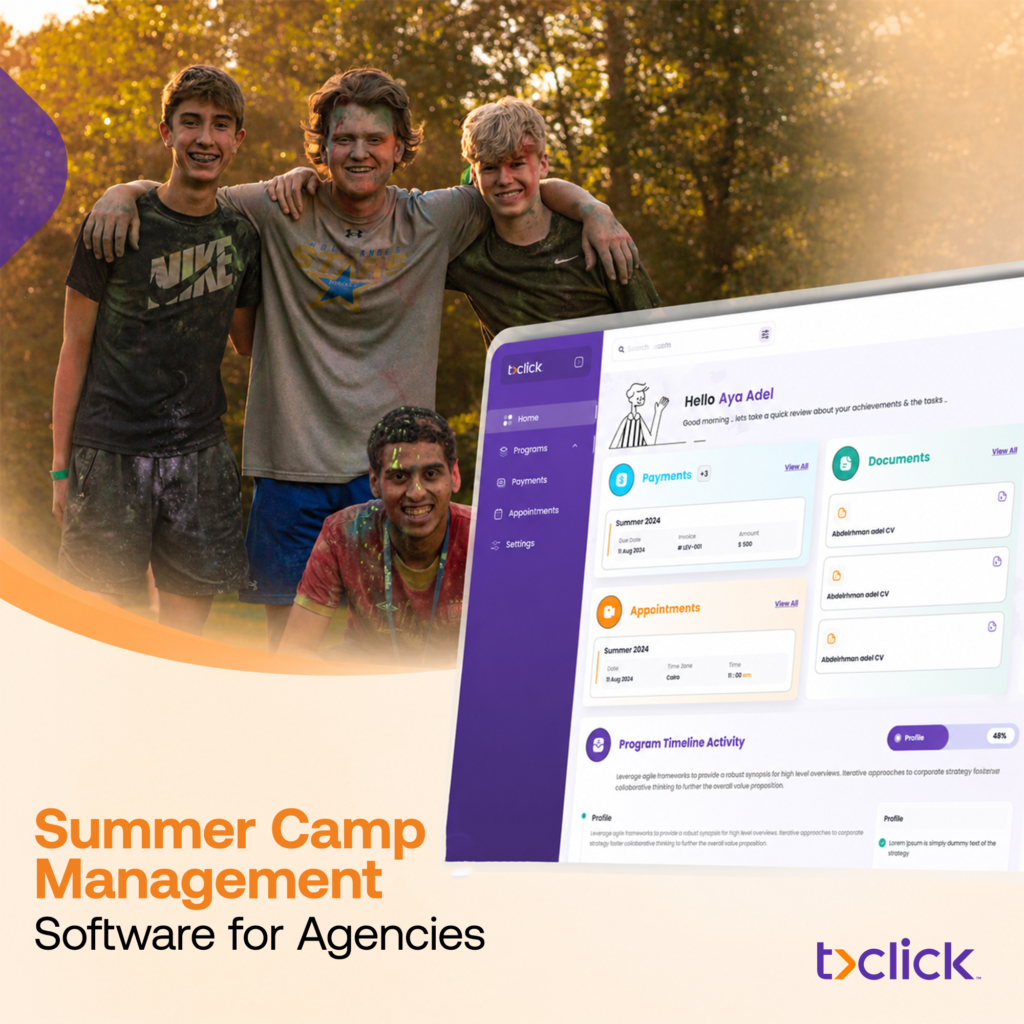
Managing a summer camp agency involves far more than recruiting participants and assigning them to available programs. Behind every successful placement is a coordinated process that includes managing inquiries, screening applicants, matching participants with the right camps, collecting documentation, coordinating interviews, tracking payments, preparing travel arrangements, and maintaining communication with both participants and camp partners. As agencies expand, these responsibilities become increasingly difficult to manage through spreadsheets, email threads, and disconnected software. Recruitment teams spend valuable time following up with participants, searching for missing documents, updating application statuses, and coordinating with camp partners instead of focusing on delivering exceptional participant experiences. Seasonal recruitment adds another layer of complexity. During peak enrollment periods, agencies may process hundreds of applications within a short timeframe, making operational efficiency a key factor in program success. This is why many organizations are investing in summer camp management software for agencies. Unlike general-purpose CRM platforms, specialized management software is designed around the operational workflows of summer camp agencies. It centralizes participant information, automates repetitive tasks, strengthens collaboration across departments, and provides real-time visibility into every stage of the recruitment and placement process. With the right software, agencies can replace manual administration with standardized workflows, enabling their teams to manage larger participant volumes while maintaining accuracy, consistency, and high-quality service. In this guide, we’ll explore how summer camp management software supports agency operations, the challenges it helps solve, the essential features organizations should look for, and how choosing the right platform can improve efficiency while supporting long-term growth. What Is Summer Camp Management Software for Agencies? Summer camp management software for agencies is a centralized platform that helps organizations manage participant recruitment, camp placements, documentation, communication, payments, and operational workflows from one system. Rather than relying on multiple tools to manage different stages of the recruitment process, agencies can coordinate every activity through a single platform that keeps participant information accurate, organized, and accessible. The result is better collaboration between teams, improved operational visibility, and a more consistent experience for both participants and camp partners. Understanding How Summer Camp Agencies Operate Unlike summer camps themselves, agencies act as the bridge between participants and host camps. Their responsibilities typically include: Recruiting participants Evaluating eligibility Conducting consultations Matching participants with suitable camps Coordinating interviews Collecting required documentation Supporting visa preparation Managing travel logistics Monitoring participant progress Maintaining relationships with camp partners Each of these activities involves different departments working together, making operational coordination essential. Why Agencies Need More Than a Generic CRM Many agencies begin with traditional CRM software to organize participant inquiries. Although these platforms help manage contacts, they rarely support the specialized workflows required for summer camp recruitment. For example, generic CRM solutions often lack features for: Camp placement management Participant lifecycle tracking Seasonal recruitment planning Document verification Visa milestone tracking Camp partner management Program-specific reporting As a result, staff often rely on spreadsheets and manual processes to fill these gaps, reducing efficiency and increasing the likelihood of errors. How Specialized Management Software Supports Agency Operations Purpose-built software connects every stage of the participant journey into one structured workflow. Instead of manually updating participant records after every interaction, the system automates routine processes and keeps departments aligned. For example, once a participant completes an interview, the software can automatically: Update the participant’s status. Notify the placement coordinator. Generate a document checklist. Assign follow-up tasks. Schedule visa preparation activities. Send participant notifications. These automated workflows reduce administrative effort while ensuring every participant moves smoothly through the recruitment process. Who Can Benefit From Summer Camp Management Software? Although designed for summer camp agencies, this type of platform supports a wide range of organizations involved in international youth and cultural exchange programs. Examples include: Summer camp placement agencies Cultural exchange organizations Youth travel organizations International education agencies Seasonal employment providers J-1 program agencies Whether managing a few hundred participants or several thousand each season, centralized software helps agencies standardize operations while improving scalability. The Complete Summer Camp Recruitment Workflow Every successful placement follows a structured recruitment process. Understanding this journey allows agencies to create repeatable workflows, improve team coordination, and reduce operational delays. Stage Objective Lead Capture Collect participant inquiries from multiple recruitment channels. Participant Screening Evaluate eligibility, experience, and program requirements. Program Consultation Help participants choose the most suitable program and destination. Camp Selection Match participants with appropriate host camps based on program criteria. Interview Coordination Schedule interviews and record participant evaluations. Placement Confirmation Confirm placements and prepare onboarding activities. Document Collection Gather and verify all required documents. Visa & Travel Preparation Coordinate visa applications and travel arrangements. Program Support Continue assisting participants throughout the program. Post-Program Follow-up Collect feedback, maintain relationships, and encourage future referrals. Why a Structured Recruitment Workflow Matters Every stage of the recruitment process depends on the successful completion of the previous one. For example, delayed document collection can postpone visa applications, while poor interview coordination may result in missed placement opportunities. When agencies manage these processes manually, it’s difficult to maintain visibility into participant progress or ensure that every task is completed on time. A centralized management platform gives every department access to the same real-time information, helping recruiters, placement coordinators, finance teams, and program managers work together more efficiently while delivering a smoother participant experience. Common Challenges Summer Camp Agencies Face Managing a summer camp agency involves balancing participant recruitment, camp partnerships, travel coordination, documentation, and ongoing communication—all within a limited recruitment season. As agencies expand their programs and partnerships, relying on manual processes often creates inefficiencies that affect both participants and internal teams. Understanding these challenges is the first step toward building a more scalable operation. Managing High Seasonal Application Volumes Summer camp recruitment is highly seasonal. During peak enrollment periods, agencies may receive hundreds of applications within just a few weeks. Recruitment teams must review applications, schedule consultations, collect documents, and respond to participant inquiries—all while meeting strict program deadlines. Without a centralized management platform, keeping pace with seasonal demand becomes
CRM for Camp Counselor Agencies | Built for Seasonal Recruitment
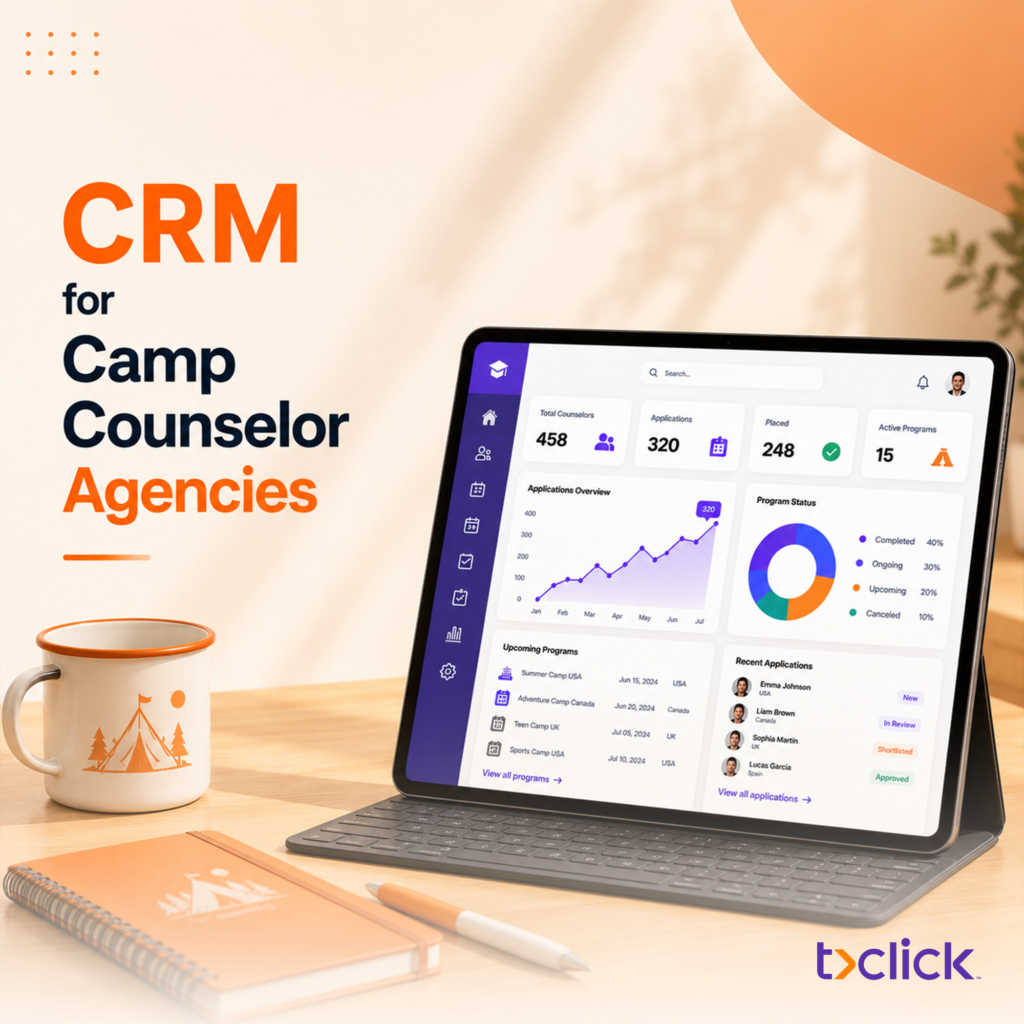
Running a successful camp counselor agency requires far more than recruiting participants and securing camp placements. Behind every successful placement is a carefully coordinated process involving participant recruitment, application reviews, interviews, camp matching, document collection, visa preparation, payment tracking, travel coordination, and ongoing communication with both participants and host camps. As agencies grow, these responsibilities quickly become more difficult to manage. Seasonal recruitment periods often bring hundreds of applications within a short timeframe, while staff must coordinate with multiple camp partners, monitor deadlines, and ensure every participant progresses through the program without delays. Many agencies still rely on spreadsheets, email chains, shared folders, and messaging applications to manage these operations. While these tools may work for small teams, they often create duplicated work, fragmented communication, limited visibility, and unnecessary administrative effort as participant volumes increase. This is where a CRM for camp counselor agencies becomes a strategic advantage. Unlike a traditional CRM designed for sales teams, a specialized CRM for camp counselor agencies supports the complete participant lifecycle. It centralizes participant information, automates repetitive workflows, strengthens collaboration between departments, and provides real-time visibility into every stage of the recruitment and placement process. Rather than spending valuable time searching for information or manually following up with participants, teams can focus on building stronger relationships with host camps, supporting participants, and growing the agency. In this guide, we’ll explore how a CRM helps camp counselor agencies streamline operations, improve participant management, strengthen camp partnerships, and scale recruitment more efficiently. What Is a CRM for Camp Counselor Agencies? A CRM for camp counselor agencies is a centralized platform that helps organizations manage participants, camp partners, recruitment activities, documents, payments, communication, and operational workflows from a single system. Instead of using separate tools for participant tracking, document storage, interview scheduling, and communication, agencies can manage every stage of the recruitment process through one connected platform. The result is greater operational efficiency, better collaboration between departments, and a more consistent participant experience. Understanding How Camp Counselor Agencies Operate Camp counselor agencies coordinate multiple stakeholders throughout each recruitment season. These typically include: Prospective participants Recruitment consultants Host camps Placement coordinators Visa specialists Finance teams Travel coordinators Program managers Each group contributes to the participant journey while depending on accurate and up-to-date information. Without a centralized system, keeping every stakeholder aligned becomes increasingly difficult. 👉 Learn how CRM software for educational organizations centralizes participant management, admissions, communication, and operational workflows. Why Generic CRM Software Doesn’t Meet Agency Needs Many organizations initially adopt general CRM platforms to organize contacts and manage inquiries. Although these systems support basic customer management, they rarely address the operational complexity of camp counselor agencies. For example, generic CRMs usually don’t support: Camp placement workflows Participant lifecycle tracking Seasonal recruitment management Interview coordination Visa preparation Travel milestones Partner camp management Program-specific reporting As agencies grow, they often compensate by introducing spreadsheets or additional software, creating disconnected workflows that reduce efficiency. How a Specialized CRM Supports Camp Counselor Agencies A CRM designed specifically for camp counselor agencies connects every stage of the recruitment process. Instead of manually updating participant records after every interaction, workflows can be automated based on predefined rules. For example, once a participant completes an interview, the CRM can automatically: Update the participant’s recruitment stage. Notify the placement coordinator. Create the next follow-up task. Generate a required document checklist. Schedule visa preparation activities. Send confirmation emails to the participant. This automation reduces administrative work while ensuring every participant follows a structured and consistent journey. Who Should Use a Camp Counselor CRM? Although designed for camp counselor agencies, this type of CRM also supports organizations managing international exchange and seasonal employment programs. It is particularly suitable for: Camp counselor agencies Cultural exchange organizations Summer camp placement providers J-1 program agencies International internship organizations Seasonal employment providers Whether managing 100 participants or several thousand each year, a specialized CRM helps organizations standardize operations and prepare for long-term growth. The Complete Camp Counselor Recruitment Journey Every successful placement follows a structured recruitment process. Understanding each stage allows agencies to create standardized workflows, improve communication, and identify operational bottlenecks before they affect participants. Stage Purpose Lead Generation Capture participant inquiries from multiple channels. Participant Qualification Evaluate eligibility and program requirements. Program Consultation Guide participants through available opportunities. Camp Matching Match participants with suitable host camps. Interview Coordination Schedule and track interviews with camp partners. Placement Confirmation Confirm successful placements and agreements. Document Management Collect and verify all required documentation. Visa & Travel Preparation Manage visa milestones and travel logistics. Program Monitoring Support participants throughout the camp season. Alumni Engagement Maintain relationships for future programs and referrals. Why the Participant Journey Matters Every stage in the recruitment journey depends on the successful completion of the previous one. A delay in document collection can postpone visa processing, while poor communication during camp matching may result in lost placement opportunities. Without a structured CRM, these dependencies are often managed manually, making it difficult to monitor participant progress and coordinate responsibilities across different departments. By managing the entire participant journey within one platform, agencies gain complete visibility into each participant’s status, reduce operational delays, and provide a more organized experience for both participants and host camp partners. Common Challenges Camp Counselor Agencies Face Managing a camp counselor agency involves coordinating participants, host camps, internal teams, and international partners—all within strict seasonal timelines. As recruitment volumes increase, manual processes become more difficult to maintain, often creating operational bottlenecks that affect both participant satisfaction and business performance. Below are some of the most common challenges agencies experience. Managing Seasonal Recruitment Peaks Unlike many recruitment businesses, camp counselor agencies operate within fixed seasonal recruitment cycles. During peak periods, teams must process a high volume of participant applications while coordinating interviews, collecting documents, and preparing placements before program deadlines. Without a centralized CRM, agencies often struggle to prioritize applicants, distribute workloads efficiently, and monitor recruitment progress. Keeping Participant Information Organized Every
Camp Counselor Program Management Software | Reduce Admin, Improve Placements
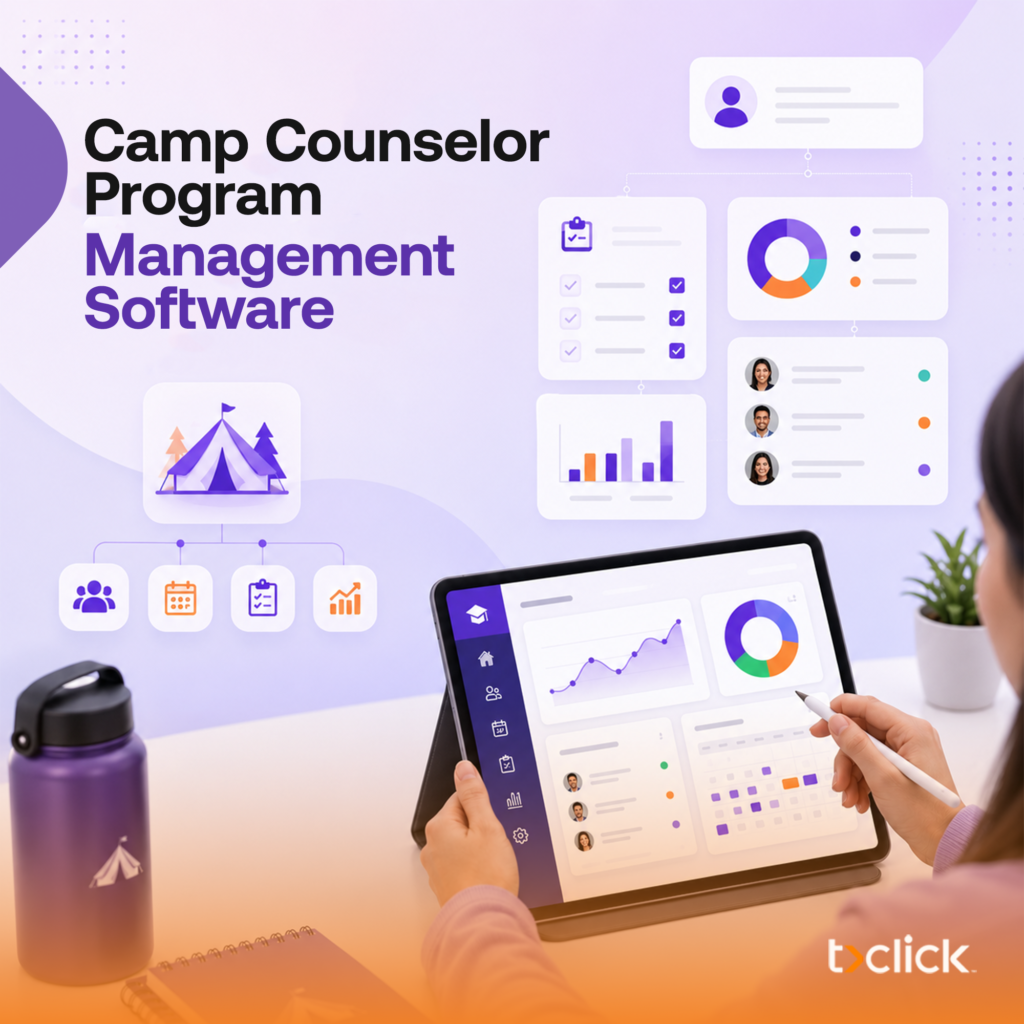
Every successful camp counselor program depends on far more than matching participants with summer camps. Behind every placement is a complex operation involving participant recruitment, eligibility screening, interviews, camp matching, document collection, visa preparation, travel coordination, and continuous communication between multiple stakeholders. For organizations managing dozens—or even hundreds—of camp counsellors each season, keeping these processes organized becomes increasingly difficult. Recruitment teams must respond to new inquiries quickly, program coordinators need to monitor application progress, finance departments track payments, and visa specialists ensure every participant meets critical deadlines before departure. When these activities are managed through spreadsheets, emails, and disconnected systems, even experienced teams face challenges such as delayed placements, missed documents, duplicated work, and inconsistent communication. As seasonal recruitment grows more competitive, agencies need a smarter way to manage operations without increasing administrative workload. This is where camp counselor program management software becomes essential. Rather than functioning as a simple contact database, specialized program management software centralizes every stage of the participant journey into one platform. It enables agencies to manage participants, coordinate with host camps, automate repetitive workflows, monitor visa progress, organize documents, and provide complete visibility across every department. Instead of spending valuable time on manual administration, teams can focus on what matters most—preparing participants for a successful cultural exchange experience and building stronger relationships with camp partners. In this guide, you’ll learn how camp counselor program management software improves operational efficiency, the challenges it helps solve, the features organizations should prioritize, and why choosing software designed specifically for international exchange programs is critical for long-term growth. What Is Camp Counselor Program Management Software? Camp counselor program management software is a centralized platform designed to help organizations manage every stage of a participant’s journey—from the first inquiry through successful program completion. Unlike general-purpose CRM systems, this software is built around the operational workflows of camp counselor and cultural exchange programs. It allows organizations to manage participant recruitment, host camp relationships, interviews, documentation, visa preparation, payments, travel coordination, and communication from one integrated system. By replacing manual processes with structured workflows, agencies gain greater visibility, improve collaboration between departments, and reduce administrative complexity. Understanding Camp Counselor Programs Camp counselor programs connect international participants with summer camps where they work, develop leadership skills, and experience cultural exchange. Managing these programs requires coordination between several groups, including Participants Recruitment consultants Host camps Program coordinators Visa specialists Finance teams Travel coordinators Each participant progresses through multiple stages before arriving at camp, making accurate tracking essential throughout the recruitment cycle. Why Generic CRM Systems Aren’t Enough Many organizations initially rely on traditional CRM software designed for sales pipelines. While these systems manage contacts effectively, they rarely support the specialized workflows required for camp counselor programs. For example, most generic CRMs don’t include processes for: Camp placement management Interview coordination Participant eligibility tracking Seasonal recruitment cycles Visa preparation Travel coordination Program milestone tracking As a result, agencies often supplement their CRM with spreadsheets and manual tracking, reducing efficiency and increasing the risk of errors. 👉 Discover how CRM software for educational organizations helps manage recruitment, participant records, and program operations from one platform. How Specialized Software Supports Camp Counselor Programs Purpose-built management software brings every operational process into a single platform. Instead of manually updating records after every participant interaction, the system connects each stage of the workflow automatically. For example, once a participant completes an interview, the software can automatically: Update the participant’s status. Notify the placement team. Schedule the next required task. Generate a document checklist. Alert visa coordinators when appropriate. Send confirmation emails to participants. These automated workflows reduce repetitive work while ensuring every participant receives consistent support throughout the recruitment process. Who Benefits From Camp Counselor Program Management Software? Although designed for camp counselor organizations, this type of software also supports other international mobility providers. It is particularly valuable for: Camp counselor agencies Cultural exchange organizations Summer camp providers J-1 program sponsors International internship providers Seasonal employment agencies Whether an organization manages fifty participants or several thousand each year, centralized program management improves operational efficiency while supporting sustainable growth. 👉 Explore how task automation helps education agencies streamline operations and reduce manual work. The Camp Counselor Participant Journey Every participant follows a structured journey before arriving at their assigned summer camp. Understanding this journey helps organizations create standardized workflows, improve communication, and reduce operational bottlenecks. A typical camp counselor program includes the following stages: Stage Primary Objective Participant Inquiry Capture new applicants and answer initial questions. Eligibility Screening Verify program requirements and participant suitability. Program Counselling Explain program expectations, destinations, and timelines. Camp Matching Match participants with suitable host camps. Interview Process Coordinate interviews between participants and camps. Placement Confirmation Confirm successful placement and participation. Document Collection Gather required forms and supporting documents. Visa Preparation Complete visa documentation and appointments. Travel Coordination Organize flights and pre-departure logistics. Program Support Monitor participants throughout the exchange program. Common Challenges Camp Counselor Organizations Face Running a successful camp counselor program requires careful coordination between participants, host camps, international partners, and internal teams. As application volumes increase, even well-established organizations can struggle to maintain operational efficiency without the right technology. Below are some of the most common challenges camp counselor agencies face—and why specialized software has become essential. Managing Seasonal Recruitment at Scale Unlike year-round recruitment, camp counselor programs operate within strict seasonal timelines. During peak recruitment periods, agencies may receive hundreds of applications within just a few weeks. Without a centralized system, recruitment teams often struggle to: Track participant progress Prioritize qualified applicants Monitor application deadlines Coordinate follow-ups across departments As the number of participants grows, manual processes become increasingly difficult to manage. Matching Participants with the Right Camps A successful placement depends on much more than availability. Agencies must consider: Participant skills and experience English proficiency Camp requirements Preferred activities Age groups Location preferences Camp capacity Managing these variables manually can slow placements and increase the likelihood of mismatches. A
CRM for Work and Travel Agencies | Simplify Every Participant Journey
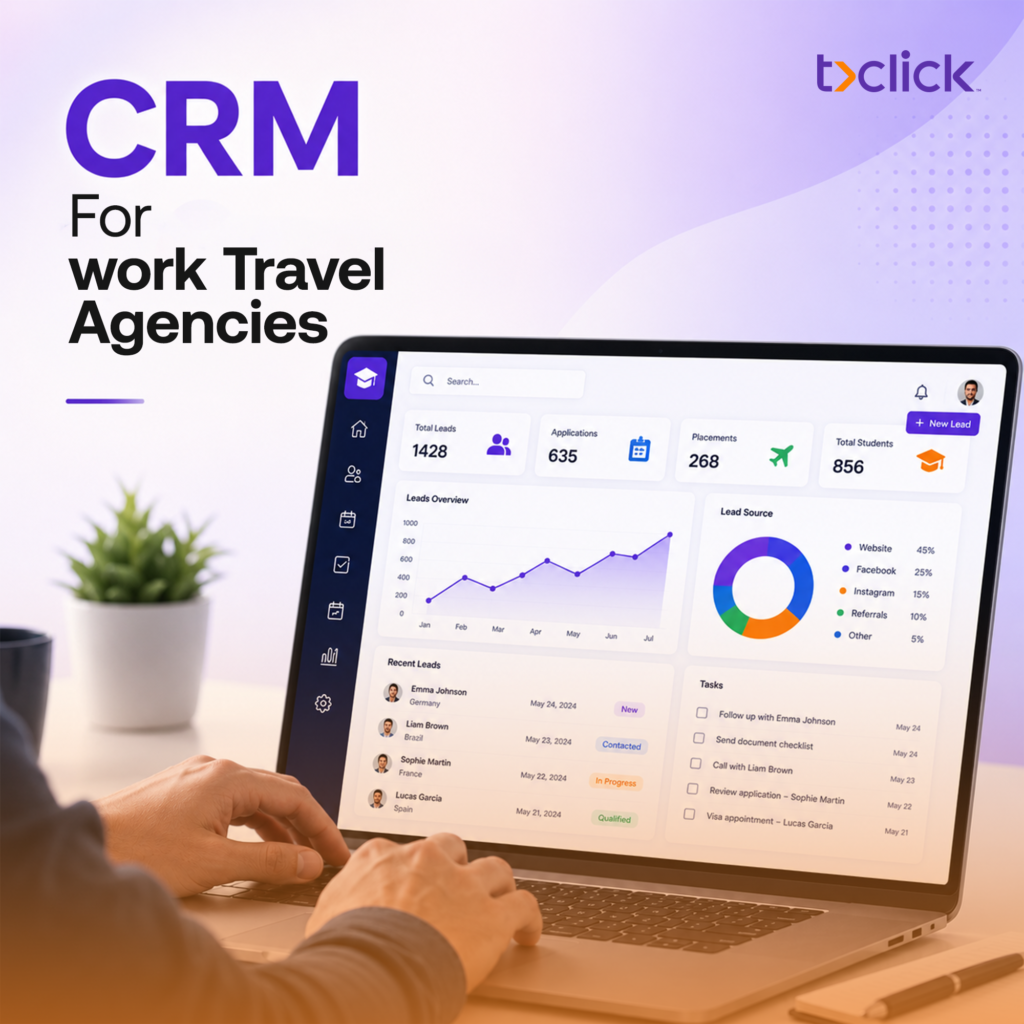
Managing a Work and Travel agency involves much more than processing student applications. Every participant moves through a complex journey that includes recruitment, counseling, employer matching, interviews, document collection, visa preparation, travel arrangements, and ongoing program support. As agencies grow, these processes become increasingly difficult to manage using spreadsheets, emails, shared folders, and disconnected software. Recruitment teams spend valuable time searching for participant information, following up on missing documents, coordinating with employers, and tracking visa deadlines instead of focusing on helping participants prepare for their international experience. The complexity increases even further when agencies manage multiple destinations, seasonal recruitment cycles, university partnerships, and hundreds of participants applying simultaneously. Without a centralized system, communication gaps, missed deadlines, duplicate records, and administrative errors can quickly affect both operational efficiency and participant satisfaction. This is why more organizations are investing in a CRM for work and travel agencies. Unlike generic CRM platforms, a specialized education CRM is designed around the complete participant lifecycle. It enables agencies to capture inquiries, manage applications, coordinate with host employers, automate repetitive tasks, monitor visa progress, organize financial records, and keep every department aligned through one centralized platform. Instead of relying on manual processes, agencies can automate workflows, improve collaboration, and gain real-time visibility into every participant’s progress from the first inquiry until the successful completion of the program. In this guide, we’ll explore how a CRM supports Work and Travel agencies, the operational challenges it solves, the essential features to look for, and how the right platform helps agencies scale while delivering a better experience for participants, employers, and internal teams. What Is a CRM for Work and Travel Agencies? A CRM for work and travel agencies is a centralized platform that helps organizations manage every stage of the participant journey, from the first inquiry to program completion. Rather than using separate tools for recruitment, document management, employer communication, payments, and visa tracking, agencies can manage all participant information within a single system. This creates a connected workflow where every department has access to accurate, up-to-date information while reducing manual work and improving operational efficiency. Understanding Work and Travel Agency Operations Work and travel agencies coordinate a wide range of activities before participants even begin their journey abroad. These responsibilities typically include: Managing participant inquiries Conducting consultations Collecting applications Matching participants with employers Scheduling interviews Tracking required documents Managing visa preparation Coordinating travel arrangements Supporting participants throughout the program Because each participant progresses at a different pace, agencies need a structured system that keeps every task organized and visible. Why Generic CRMs Fall Short Many agencies initially adopt general-purpose CRM platforms designed for sales teams. While these systems help organize contacts, they often lack the specialized workflows required for Work and Travel programs. For example, generic CRMs rarely include features for: Employer matching Visa tracking Document verification Participant status management Seasonal recruitment cycles Program-specific workflows Student communication portals As a result, agencies often rely on additional spreadsheets and manual processes, creating unnecessary complexity. How a Specialized Education CRM Supports Work and Travel Programs A CRM built for education organizations supports the unique workflows involved in international mobility programs. Instead of simply storing contact information, it connects every operational process into one platform. For example, when a participant submits an application, the CRM can automatically: Assign the participant to a recruitment consultant. Create a document checklist. Schedule employer interviews. Track application progress. Notify teams about missing requirements. Trigger visa preparation workflows. Send participant updates automatically. This reduces administrative work while ensuring every participant receives consistent support throughout the program. Who Can Benefit From This Type of CRM? Although designed for Work and Travel agencies, these platforms also support organizations involved in international mobility and cultural exchange. Examples include: Work and Travel agencies J-1 program providers Cultural exchange organizations Internship placement agencies Seasonal employment agencies International education consultants Whether managing hundreds or thousands of participants each year, a specialized CRM helps organizations standardize operations while improving efficiency and participant satisfaction. 👉 Learn how an education CRM helps agencies centralize recruitment, admissions, and participant management. The Work and Travel Participant Journey Every successful Work and Travel experience begins long before a participant boards a plane. Behind each placement is a carefully managed process involving recruitment, employer coordination, documentation, visa preparation, and ongoing communication. Understanding this journey helps agencies build efficient workflows while ensuring participants receive timely support at every stage. Student Inquiry The journey starts when prospective participants express interest through the agency’s website, social media, referrals, university events, or education fairs. Capturing inquiries quickly and assigning them to the right recruitment consultant improves response times and increases conversion opportunities. Lead Qualification Not every inquiry is immediately eligible for the program. Recruitment consultants evaluate applicants based on factors such as: Academic status English language proficiency Program eligibility Travel goals Destination preferences This stage helps agencies identify qualified participants before moving forward with consultations and applications. Program Counseling Qualified participants receive personalized guidance about available destinations, employers, program requirements, estimated costs, and timelines. Recording consultation notes inside the CRM ensures every team member has access to the latest participant information, creating a more consistent experience. Employer Matching Finding the right employer is one of the most important stages of the Work and Travel process. A CRM allows agencies to organize employer profiles, available positions, interview schedules, and placement history, making it easier to match participants with suitable opportunities based on their skills, preferences, and program requirements. Job Offer Once interviews are complete, successful participants receive job offers from host employers. The CRM tracks offer status, required confirmations, and acceptance deadlines while notifying consultants of any pending actions. Document Collection Before participants can continue, agencies must collect and verify multiple documents, including passports, academic records, program agreements, and supporting paperwork. A centralized document management system ensures files are organized, easy to access, and linked directly to each participant’s profile. Visa Preparation Visa preparation is one of the
User Roles and Permissions in Education CRM | Secure Access Guide
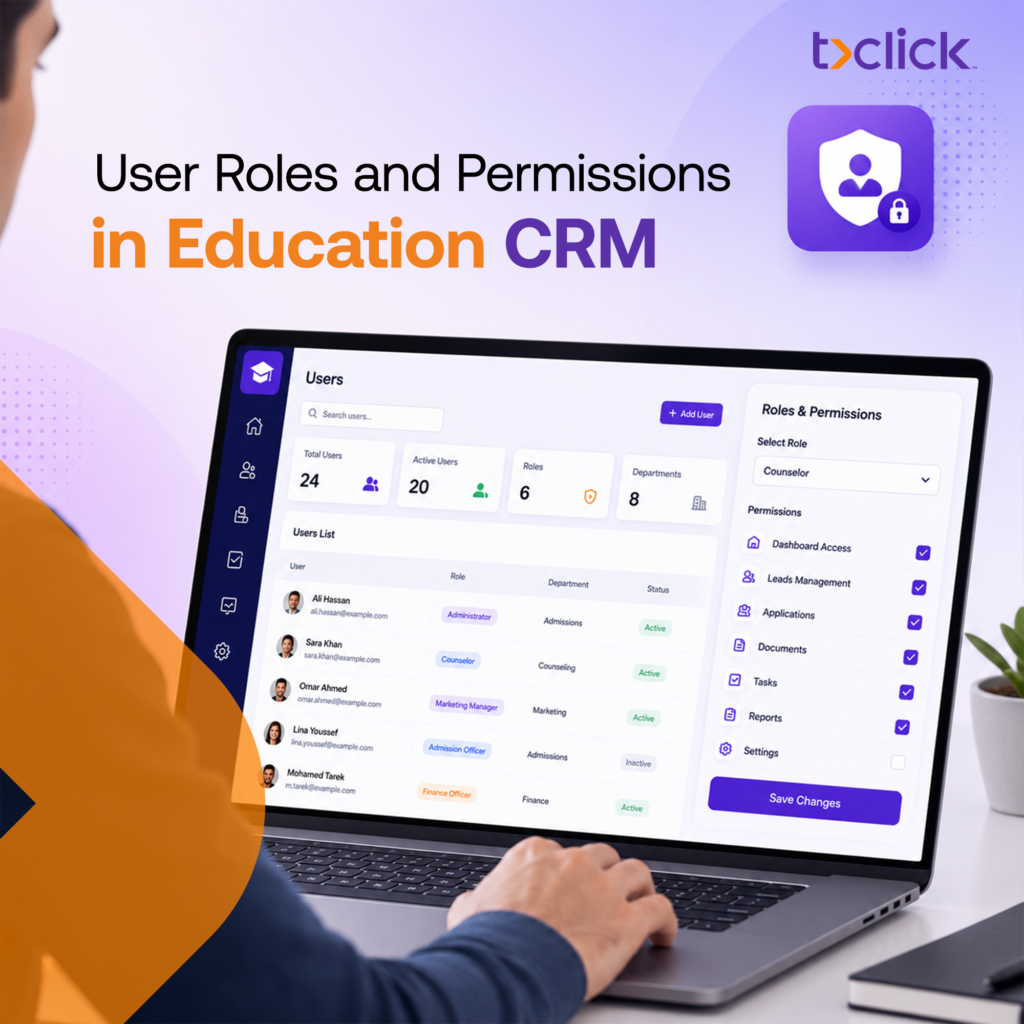
Managing an education agency involves far more than recruiting students. Every day, multiple departments work together to support prospective students throughout their journey—from the first inquiry to enrollment. Recruitment consultants communicate with leads, admissions officers review applications, finance teams manage invoices and payments, visa specialists handle immigration requirements, while managers monitor overall performance. Although these teams collaborate toward the same goal, they don’t all require access to the same information. For example, a recruitment consultpayments, andeed to view student profiles and consultation history but shouldn’t be able to modify financial records. Similarly, a finance manager should have access to invoices and payment information without viewing confidential recruitment notes or internal admissions decisions. When every employee has unrestricted access to the CRM, organizations expose themselves to unnecessary operational risks. Sensitive student information can be modified accidentally, confidential financial records may become accessible to unauthorized users, and accountability becomes difficult when multiple employees can edit the same data. This is why user roles and permissions in education CRM have become a fundamental requirement for modern education agencies. A role-based permission system ensures that every employee has access only to the information and tools necessary to perform their responsibilities. Instead of limiting collaboration, it creates a more secure, organized, and efficient working environment where every department can perform its role without compromising data security. Beyond protecting sensitive information, user roles improve operational efficiency by simplifying workflows, reducing human error, and creating clear accountability across the organization. In this guide, we’ll explore how user roles and permissions work within an education CRM, why they are essential for education agencies, the different access levels organizations typically use, and the security features every modern education CRM should provide. What Are User Roles and Permissions in an Education CRM? As education agencies grow, more employees become involved in the student recruitment process. Recruitment consultants, admissions officers, finance teams, visa specialists, marketing departments, branch managers, and executives all interact with the CRM differently. Giving every employee unrestricted access might seem convenient, but it creates significant operational and security challenges. Instead, modern education CRMs use Role-Based Access Control (RBAC) to ensure users only access the information required for their responsibilities. This approach protects student data while making daily operations more efficient. Understanding User Roles A user role defines the responsibilities of a specific employee or department inside the CRM. Rather than assigning permissions one by one to every employee, administrators create predefined roles that include the permissions required for each position. For example: Role Primary Responsibility Recruitment Consultant Manage leads and student communication Admissions Officer Process applications and documents Visa Specialist Track visa requirements and deadlines Finance Manager Manage invoices and payments Marketing Manager Monitor campaigns and lead sources Agency Administrator Configure the CRM and manage users This approach makes user management significantly easier, especially for agencies with multiple offices or growing teams. What Are User Permissions? Permissions define what each user can actually do inside the CRM. Instead of describing a person’s job, permissions control access to specific modules, records, and actions. Permissions typically determine whether users can: View information Create new records Edit existing records Delete records Export reports Approve workflows Access financial information Manage user accounts For example, two employees may both work in Admissions, but only the admissions manager may have permission to approve final application submissions. User Roles vs User Permissions Although these terms are closely related, they serve different purposes. User Roles User Permissions Define a user’s responsibilities Define what the user can access or modify Assigned to employees Assigned through roles Group multiple permissions together Control individual actions Simplify user management Protect sensitive information Easy to scale across departments Highly customizable Think of a role as a job title, while permissions determine the specific keys that unlock different parts of the CRM. Why Role-Based Access Matters Education agencies manage highly sensitive information every day. Their CRM may contain: Student passports Academic transcripts Financial records Visa documents Payment history Internal recruitment notes University agreements Personal identification information Not every employee should have unrestricted access to these records. Role-Based Access Control (RBAC) ensures sensitive information remains protected while allowing each department to perform its work efficiently. This approach strengthens security without slowing collaboration. How User Roles Support Education Agencies A well-designed permission structure benefits every department. Recruitment teams can focus on lead management without seeing confidential financial records. Admissions officers can process applications without modifying marketing campaigns. Finance teams can manage invoices and payment records while remaining separate from recruitment activities. Managers receive reporting dashboards without needing to edit operational data. Meanwhile, administrators maintain complete oversight while controlling access across the organization. This creates a balance between security, efficiency, and collaboration, allowing agencies to scale confidently while protecting both student information and internal operations. Why User Roles and Permissions Matter More as Your Agency Grows One of the biggest mistakes growing education agencies make is assuming that the same access structure that worked for a five-person team will continue to work for a team of fifty. As organizations expand, they typically: Open new branches Hire specialized departments Recruit students across multiple countries Work with more university partners Handle larger volumes of sensitive data Without structured permissions, operational risks increase significantly. The larger the organization becomes, the more important it is to ensure that employees only access the information necessary for their responsibilities. 👉 Learn how an education CRM centralizes recruitment, admissions, and team collaboration while keeping student data secure. Example: How Different Teams Use the Same CRM Department Primary Focus Should Access Financial Data? Should Edit Student Applications? Recruitment Leads & consultations ❌ Limited Admissions Applications & documents ❌ ✅ Visa Team Visa processing ❌ View Only Finance Payments & invoices ✅ ❌ Marketing Campaigns & lead sources ❌ ❌ Management Reports & performance Limited View Only CRM Administrator System management ✅ ✅ What Are User Permissions? While a user role defines an employee’s responsibilities, user permissions determine exactly what that employee can
Task Automation for Education Agencies | Save Time & Improve Recruitment
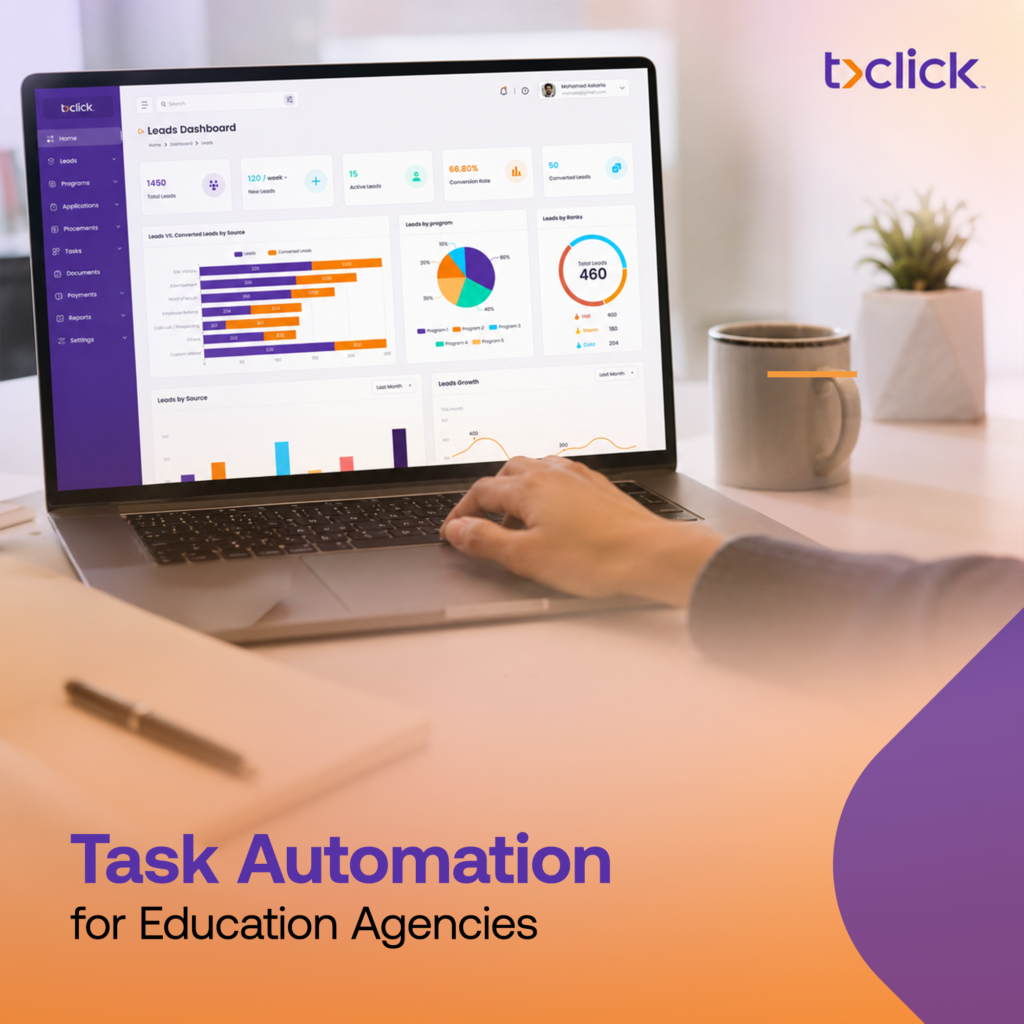
Education agencies manage far more than student inquiries and university applications. Behind every successful enrollment is a long sequence of administrative tasks, including assigning leads, scheduling consultations, requesting documents, tracking applications, following up on payments, monitoring visa deadlines, communicating with university partners, and updating internal teams. When an agency manages only a small number of students, these responsibilities may seem manageable through spreadsheets, shared calendars, email reminders, and messaging applications. However, as recruitment volumes grow, manual task management quickly becomes a major operational challenge. Recruitment consultants may forget to follow up with promising students. Admissions teams may spend hours checking missing documents. Visa specialists may need to monitor hundreds of deadlines simultaneously. Managers may struggle to understand which tasks are delayed, who is responsible, or where bottlenecks are slowing down the student journey. These problems do not usually happen because teams lack effort. They happen because manual systems rely too heavily on memory, individual organization, and disconnected tools. This is where task automation for education agencies becomes essential. Task automation allows education organizations to create rules that automatically generate assignments, reminders, notifications, status updates, and follow-up activities based on specific events within the student journey. For example, when a new inquiry is submitted, the system can create a student profile, assign the lead to the appropriate consultant, notify that consultant, and schedule an initial follow-up task without requiring any manual action. When a student moves to the application stage, the platform can automatically request documents, assign an admissions officer, set deadlines, and notify the team about missing requirements. Rather than replacing human interaction, automation removes the repetitive work that prevents education professionals from spending more time advising students, strengthening university partnerships, and improving enrollment outcomes. When integrated into an education CRM, task automation connects every stage of the student lifecycle—from lead generation and consultation to application, payment, visa processing, enrollment, and alumni engagement. In this guide, we will explore what task automation means for education agencies, which processes should be automated, the benefits it delivers, the features agencies should prioritize, and how platforms like Ticlick help education organizations build more efficient and scalable operations. What Is Task Automation for Education Agencies? Task automation is the use of software to create, assign, update, and monitor operational tasks automatically based on predefined rules or workflow events. Instead of asking staff members to remember every follow-up, deadline, and internal action, the system triggers the correct task when a specific condition is met. For example: When a new student inquiry arrives, assign it to a recruitment consultant. When a consultation is completed, create a follow-up task. When a student begins an application, request the required documents. When an invoice becomes due, send an automatic payment reminder. When a visa appointment approaches, notify the student and visa team. When an application status changes, update the relevant departments. This creates a structured and predictable operational process. Every student receives consistent support, while every team member understands what needs to be completed and when. Task automation delivers the best results when it’s part of a complete education CRM that connects recruitment, admissions, communication, and student management in one platform. Understanding the Difference Between Task Automation and Simple Reminders A reminder is usually a single alert created manually for a specific date. Task automation is more advanced because it connects multiple actions within a complete workflow. For example, a simple reminder might notify a consultant to contact a student next Monday. An automated workflow can: Detect that a new lead has entered the CRM. Assign the lead to the consultant responsible for the student’s preferred destination. Create a consultation task. Send the consultant a notification. Send the student a welcome message. Schedule a follow-up if the student does not respond. Update the recruitment pipeline when the consultation is completed. The difference is important. Reminders help individuals remember activities. Automation helps organizations manage entire processes consistently. 👉 Learn how to automate student recruitment workflows and improve response times. Why Manual Processes Slow Down Student Recruitment Manual task management often creates invisible delays. A recruitment team may appear busy, but a significant amount of its time may be spent on repetitive work that adds little strategic value. Common manual activities include: Copying student information between spreadsheets Assigning leads through email or messaging apps Sending the same document requests repeatedly Checking application deadlines manually Updating multiple systems after every status change Preparing weekly reports by combining different files Contacting students individually about payments or visa tasks These activities consume time that could otherwise be spent providing consultations, resolving complex student challenges, and strengthening institutional relationships. Manual processes also increase the likelihood of inconsistency. One consultant may follow up after one day, while another waits for a week. One admissions officer may request every required document immediately, while another may overlook an important file. Task automation standardizes these activities, helping agencies deliver a more consistent and professional experience. How Task Automation Fits Within an Education CRM Task automation delivers the greatest value when it is connected to a centralized education CRM. The CRM stores student profiles, applications, communication history, documents, financial records, and university information. Automation uses this data to determine which actions should happen next. For example, when a student’s profile status changes from Qualified Lead to Application Started, the CRM can automatically: Create an application record Assign an admissions officer Generate a document checklist Notify the student Set submission deadlines Schedule follow-up tasks Alert the manager if the application remains incomplete Because the workflow is connected to real student data, every action is relevant to the student’s current stage. This reduces duplicated work while giving teams complete visibility into operational progress. Who Benefits From Task Automation? Task automation supports every department involved in the student lifecycle. User How Automation Helps Recruitment consultants Automates lead assignment, follow-ups, and consultation tasks Admissions officers Creates document requests and application deadlines Visa specialists Sends visa reminders and monitors outstanding requirements Finance teams Automates invoices, installment
Lead Management for International Student Recruitment Explained
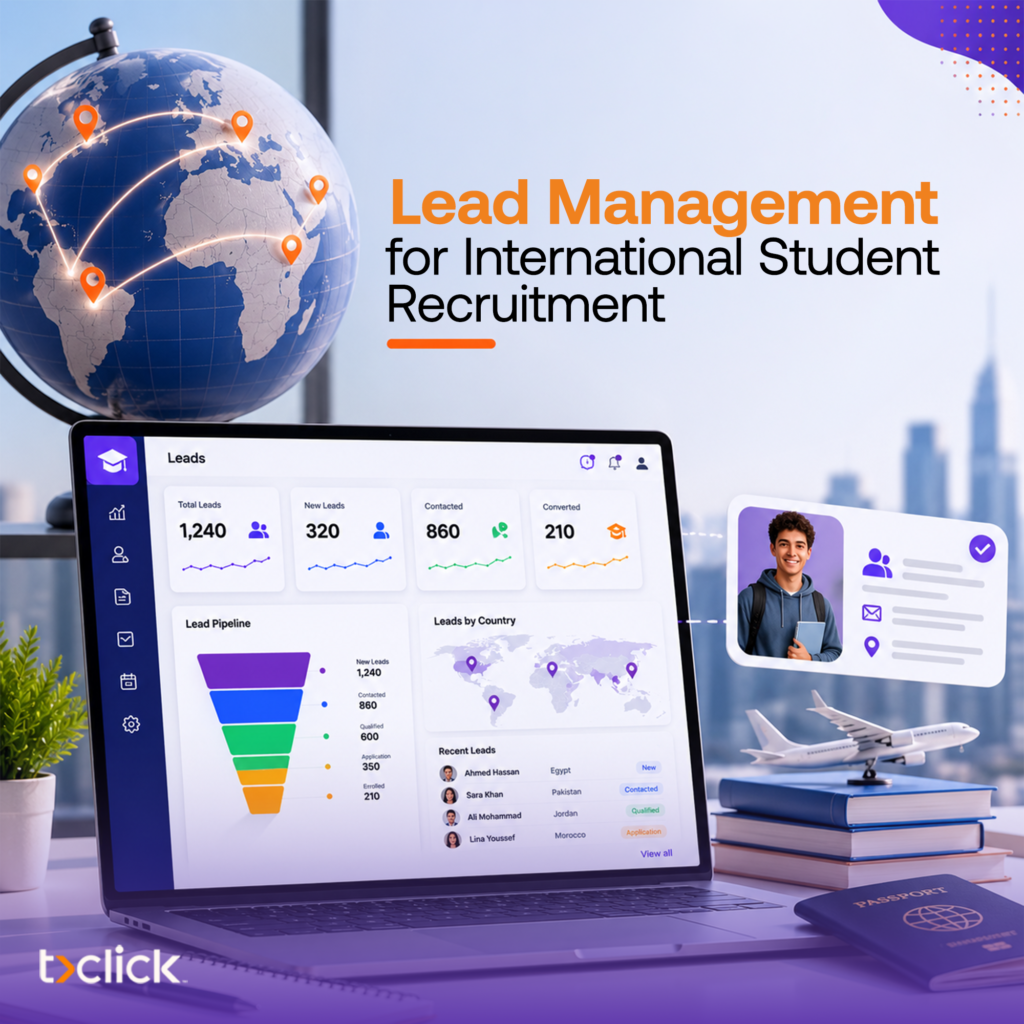
International student recruitment has become more competitive than ever. With students exploring multiple study destinations, comparing education agencies, and interacting across various digital channels, attracting inquiries is no longer the biggest challenge—managing them effectively is. Every prospective student begins their journey as a lead. Whether they submit a form on your website, attend an education fair, send a WhatsApp message, or inquire through social media, each interaction represents a potential enrollment opportunity. However, without a structured lead management process, many of these opportunities are lost before they ever become applications. Many education agencies still rely on spreadsheets, shared inboxes, and manual follow-ups to manage student inquiries. While these methods may work for small teams, they become increasingly difficult to maintain as recruitment volumes grow. Delayed responses, duplicate records, inconsistent communication, and missed follow-ups can all reduce conversion rates and negatively impact the student experience. This is why lead management for international student recruitment has become a strategic priority for modern education organizations. A dedicated lead management system helps agencies capture inquiries from multiple channels, organize student information, automate follow-ups, assign leads to the right counsellors, and monitor every stage of the recruitment pipeline. Instead of reacting to inquiries manually, recruitment teams can build structured workflows that improve efficiency while providing students with faster and more personalized support. When integrated into an education CRM, lead management becomes the foundation of the entire student recruitment lifecycle. Every interaction, consultation, application, and enrollment is connected, giving agencies complete visibility into their recruitment performance and helping them convert more inquiries into successful enrollments. In this guide, we’ll explore how lead management works in international student recruitment, the challenges education agencies commonly face, the essential features of an effective lead management system, and how the right CRM can help organizations recruit more students while scaling their operations. What Is Lead Management in International Student Recruitment? Lead management is the process of capturing, organizing, tracking, and nurturing prospective students from their first inquiry until they are ready to apply and enroll. Rather than treating inquiries as isolated conversations, lead management creates a structured journey that helps recruitment teams understand each student’s needs, monitor progress, and provide timely guidance throughout the decision-making process. For education agencies, effective lead management ensures that every prospective student receives the attention they need while reducing the risk of missed opportunities. Understanding Student Recruitment Leads In international education, a lead is any prospective student who has expressed interest in studying abroad or learning more about your services. Leads can come from many different sources, including: Agency websites Google Ads Social media campaigns Education fairs Referral programs WhatsApp Email inquiries University events Live chat Every lead represents a potential enrollment opportunity. The faster an agency responds and the better it manages communication, the greater the chances of converting that inquiry into a successful student placement. 👉 Learn how education-focused CRM software helps agencies centralize student recruitment, communication, and admissions. The Difference Between Lead Management and Student Management Although these terms are sometimes used interchangeably, they refer to different stages of the recruitment journey. Lead management focuses on prospective students before they begin the formal admissions process. Student management begins after a lead has progressed into an active applicant or enrolled student. Understanding this distinction helps agencies build more efficient recruitment workflows. Lead Management Student Management Captures new inquiries Manages active applicants and enrolled students Qualifies prospective students Tracks admissions and enrollment Focuses on lead conversion Focuses on student success and ongoing support Supports recruitment teams Supports admissions and student services Managing both processes within one CRM creates a seamless experience from the first inquiry through enrollment. Why Lead Management Matters Before the Application Stage Many education agencies focus heavily on managing applications but overlook the stage that comes before them. In reality, the recruitment process is won or lost long before a student submits an application. Prospective students often compare several agencies before making a decision. They evaluate factors such as response time, communication quality, expertise, and overall service. Without an organized lead management process, agencies risk: Losing inquiries to competitors Missing follow-up opportunities Providing inconsistent communication Delaying consultations Reducing application conversion rates By managing leads effectively from the very beginning, agencies can build stronger relationships, improve trust, and guide students toward successful enrollment. Who Needs Lead Management Software? Lead management software is valuable for any organization involved in recruiting or advising international students. This includes: Study abroad agencies Universities and colleges Language schools Exchange program providers Educational consultants Pathway providers Scholarship organizations Whether an organization manages hundreds or thousands of inquiries each year, a structured lead management system helps improve organization, increase efficiency, and support long-term growth. 👉 Learn how automation improves follow-ups, response times, and student conversion rates. The International Student Recruitment Journey Starts With a Lead Every successful enrollment begins with a single inquiry. While each student’s journey is unique, most international recruitment processes follow a similar path. Understanding this journey allows agencies to create structured workflows, automate repetitive tasks, and provide timely support at every stage. The typical recruitment lifecycle includes several key phases, each requiring clear communication and careful follow-up. Lead Generation The journey begins when prospective students discover your agency through marketing campaigns, referrals, social media, search engines, or education events. At this stage, the goal is to capture accurate contact information and understand the student’s initial interests. Initial Inquiry After expressing interest, students typically request more information about study destinations, universities, programs, or admission requirements. Responding quickly during this stage is essential for creating a positive first impression. Qualification Recruitment consultants assess the student’s academic background, career goals, budget, preferred destination, and eligibility. This helps determine whether the student is a good fit for specific universities or programs. Consultation During consultations, agencies provide personalized recommendations, answer questions, and explain the admissions process. Every interaction should be documented to ensure consistent communication throughout the recruitment journey. Program Matching Based on the student’s qualifications and preferences, consultants recommend suitable
Payment Management for Study Abroad Agencies: Features & Benefits
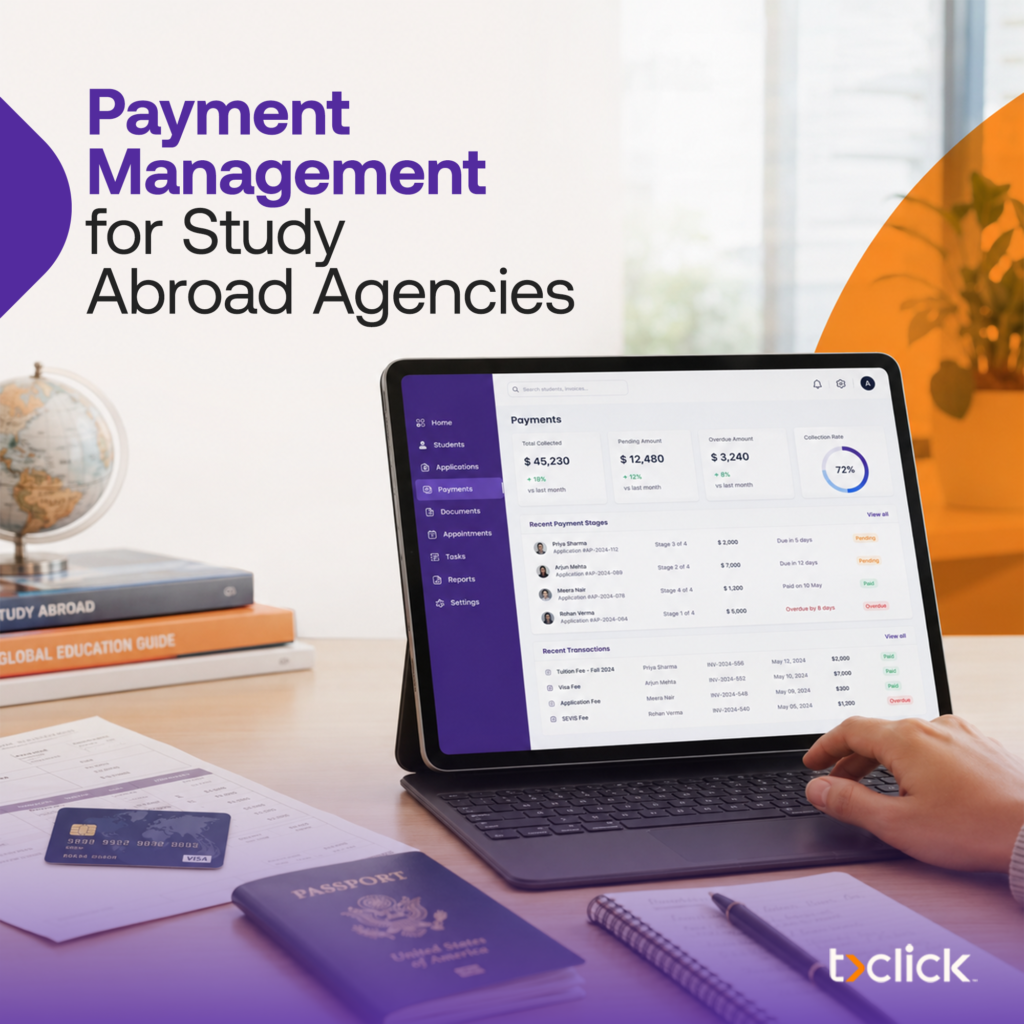
Payment Management for Study Abroad Agencies: Features & Benefits Discover how payment management for study abroad agencies simplifies student payments, invoicing, installment tracking, and financial workflows. Managing student payments is one of the most important responsibilities for any study abroad agency. From application fees and service charges to tuition deposits and installment plans, every financial transaction plays a direct role in keeping the student journey on track. As agencies grow and recruit students across multiple destinations, managing payments manually becomes increasingly difficult. Finance teams often rely on spreadsheets, accounting software, emails, and bank transfer confirmations to monitor transactions. While these methods may work for a small number of students, they become inefficient as payment volumes increase. A missed tuition deadline, an unpaid installment, or an incorrectly recorded transaction can delay university applications, impact visa processing, and create unnecessary stress for both students and agency staff. At the same time, students expect greater transparency throughout the recruitment process. They want clear invoices, payment confirmations, installment schedules, and real-time visibility into their financial obligations without repeatedly contacting the agency. This is why modern education organizations are investing in payment management for study abroad agencies as part of their education CRM. Rather than treating payments as a separate financial process, an integrated payment management solution connects financial records with student profiles, applications, admissions, and recruitment workflows. This gives agencies complete visibility into each student’s financial journey while reducing administrative work and improving operational efficiency. In this guide, we’ll explore why payment management is essential for study abroad agencies, the challenges of handling student payments manually, the key features to look for in a payment management solution, and how the right platform can simplify financial operations while improving the student experience. Why Payment Management Matters for Study Abroad Agencies Payment management is much more than collecting tuition fees. It involves coordinating multiple financial transactions throughout the student’s recruitment journey while ensuring that payments are accurately recorded, deadlines are met, and both students and internal teams have complete visibility into financial progress. A structured payment management process helps agencies operate more efficiently while building trust with students and university partners. Managing More Than Just Tuition Payments Many people assume education agencies only collect tuition payments. In reality, agencies often manage several types of financial transactions throughout the recruitment process. These may include: Consultation fees Agency service fees Application fees Tuition deposits Tuition installments Visa processing fees Insurance payments Accommodation deposits Pre-departure service fees Keeping track of these payments manually can quickly become overwhelming, especially when each student follows a different payment schedule. A centralized payment management system organizes every transaction within the student’s profile, making financial information easier to manage and access. 👉 Learn how education-focused CRM software helps agencies manage recruitment, admissions, payments, and student operations from one platform. Multiple Payment Stages Throughout the Student Journey Student payments are rarely completed in a single transaction. Instead, payments are spread across different stages of the recruitment lifecycle. For example, a typical student may complete payments in the following order: Agency registration fee University application fee Tuition deposit Remaining tuition balance Visa-related expenses Accommodation payments Travel or pre-departure services Each payment often depends on the successful completion of the previous step. Without proper tracking, agencies may struggle to determine which students are ready to move forward and which require additional follow-up. Payment management software provides complete visibility into every financial milestone, helping agencies maintain an organized recruitment process. Building Trust Through Transparent Financial Processes Financial transparency plays an important role in the student experience. Students want to understand: What they are paying for When payments are due Which invoices remain outstanding Whether payments have been received What the next financial step will be Providing clear payment records and timely updates helps reduce confusion while increasing confidence in the agency’s services. When students can easily access this information through a CRM or student portal, communication becomes smoother and trust naturally improves. The Cost of Manual Payment Tracking Many study abroad agencies still rely on spreadsheets and manual bookkeeping to manage student payments. Although familiar, these methods introduce several operational risks as the organization grows. Common challenges include: Missing payment deadlines Duplicate payment records Manual invoice creation Difficulty tracking installment plans Time-consuming payment reconciliation Limited financial reporting These inefficiencies not only increase administrative workload but can also delay admissions, affect student satisfaction, and reduce overall operational performance. Implementing a centralized payment management solution helps agencies eliminate these challenges while creating a more efficient and scalable financial process. Common Payment Challenges Education Agencies Face As recruitment volumes increase, managing student payments becomes more complex. Education agencies must balance financial accuracy with excellent student service while coordinating payments across multiple universities, destinations, and recruitment stages. Without the right system in place, even routine financial tasks can become time-consuming and difficult to manage. In the next section, we’ll explore the most common payment management challenges study-abroad agencies face and how technology helps overcome them. 👉 Discover how student recruitment software helps agencies manage the full student journey from inquiry to enrollment. Common Payment Challenges Education Agencies Face As agencies recruit more students and expand their partnerships with international institutions, financial management becomes increasingly complex. Without a centralized system, tracking payments, invoices, and outstanding balances can quickly become a time-consuming process that affects both operational efficiency and the student experience. Below are some of the most common payment management challenges education agencies face. Tracking Multiple Student Payments Every student follows a unique financial journey. Some students pay in full, while others choose installment plans or make payments at different stages of the admissions process. Keeping track of dozens—or even hundreds—of payment schedules manually can increase the risk of missed transactions and inaccurate records. A payment management system gives agencies a complete view of each student’s financial history from a single dashboard. Managing Installment Plans Many agencies offer flexible payment options to make studying abroad more accessible. However, monitoring
Automated Reminders for Student Visa Deadlines Explained
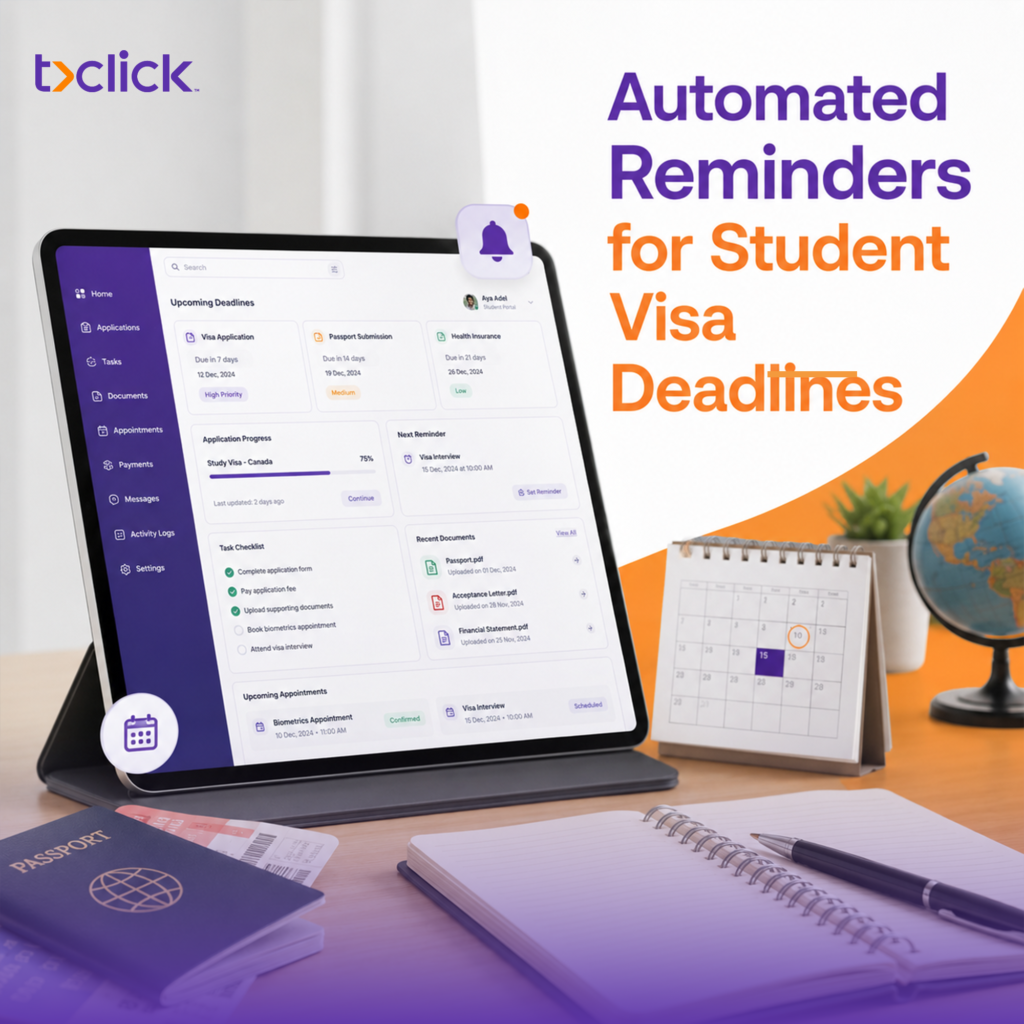
For education agencies, the student visa stage is one of the most critical milestones in the recruitment journey. Even after a student receives a university offer, the enrollment process is far from complete. Missing a visa application deadline, failing to submit a required document, or overlooking an embassy appointment can delay—or even prevent—a student’s enrollment. Managing these deadlines manually becomes increasingly challenging as recruitment volumes grow. Education agencies often support students applying to multiple destinations, each with its own visa requirements, processing timelines, and documentation standards. Keeping track of every deadline using spreadsheets, emails, or calendar reminders quickly becomes inefficient and increases the risk of human error. At the same time, students expect timely communication and proactive guidance throughout the visa process. They want to know what actions to take, when documents are due, and whether they are on track to arrive before the start of their academic program. This is why more education organizations are adopting automated reminders for student visa deadlines as part of their recruitment and admissions workflows. Instead of relying on manual follow-ups, automated reminders notify both students and recruitment teams about upcoming deadlines, missing documents, visa appointments, and other critical milestones. This helps agencies reduce delays, improve communication, and create a more organized and transparent experience for everyone involved. When integrated into an education CRM, automated reminders become part of a larger workflow that supports the entire student lifecycle—from the first inquiry to successful enrollment. In this guide, we’ll explore why visa deadline management is so important, the challenges of tracking visa timelines manually, how automated reminders work, and the features education agencies should look for when choosing a modern recruitment platform. Why Student Visa Deadlines Matter For many students, receiving a university acceptance letter feels like the finish line. In reality, it marks the beginning of another critical phase—the visa application process. Even the most qualified applicants can experience delays if important deadlines are missed. A late document submission or forgotten embassy appointment can postpone travel plans, delay enrollment, or require students to defer their admission to a later intake. For education agencies, successfully managing visa deadlines is essential to delivering a smooth student experience and maintaining strong relationships with university partners. Managing visa deadlines becomes much easier when reminders are integrated into CRM software for educational organizations, allowing agencies to centralize recruitment, admissions, and student communication. The Visa Stage Can Determine the Success of an Enrollment The admissions process does not end when a student receives an offer letter. Students must still complete several important steps before they can begin their studies abroad. These typically include: Accepting the university offer Paying tuition deposits Preparing visa documents Completing the visa application Attending embassy appointments Providing biometric information Receiving visa approval Preparing for departure Each step depends on completing the previous one within a specific timeframe. Missing just one deadline can affect the entire enrollment timeline. Automated reminders help ensure that students and recruitment consultants stay informed throughout every stage of the process. Every Country Has Different Visa Requirements One of the biggest challenges for education agencies is managing applications across multiple study destinations. Each country has its own immigration policies, documentation requirements, and processing timelines. For example, students applying to the United Kingdom, Canada, Australia, Germany, or Ireland may all need different documents, appointment schedules, and supporting evidence. Recruitment consultants must therefore monitor multiple visa processes simultaneously while ensuring that every student receives the correct guidance. A centralized CRM with automated reminders helps organize these country-specific workflows and reduces the likelihood of missed deadlines. Students Depend on Timely Guidance Many students apply for a visa only once in their lives. They often rely heavily on education agencies to explain each step and remind them about upcoming requirements. Questions such as: When should I submit my financial documents? Have I booked my embassy appointment? Is my passport still valid? What documents are still missing? When should I complete my biometrics? are common throughout the recruitment journey. Providing proactive reminders helps reduce uncertainty while giving students greater confidence in the process. Instead of waiting for students to ask questions, agencies can guide them through every milestone automatically. Education agencies handling growing recruitment volumes often adopt student recruitment software for developing markets to automate workflows and reduce administrative workload. Missing a Single Deadline Can Delay an Entire Academic Journey Visa processing follows strict timelines. If a student misses a document deadline or embassy appointment, the consequences may include: Delayed visa approval Missed university registration Deferred enrollment Additional travel expenses Increased administrative work Reduced student satisfaction For agencies managing hundreds of active applicants, manually monitoring every deadline is both time-consuming and risky. Automated reminder systems help reduce these risks by ensuring that important milestones are never overlooked. The Challenges of Managing Visa Deadlines Manually As education agencies grow, managing visa deadlines manually becomes increasingly difficult. What may be manageable for a small team handling a few students quickly becomes overwhelming when hundreds of applications are moving through different stages at the same time. Without a structured system, recruitment teams often spend valuable time checking spreadsheets, searching through emails, and sending individual reminders instead of focusing on advising students and supporting successful enrollments. Several common challenges make manual visa management inefficient, which we’ll explore in the next section. The Challenges of Managing Visa Deadlines Manually Visa management involves far more than remembering a single application date. Each student follows a unique timeline based on their destination country, university, intake period, and individual circumstances. As agencies manage more students and expand their global partnerships, tracking every milestone manually becomes increasingly difficult. Without automation, recruitment teams often rely on spreadsheets, shared calendars, email reminders, or handwritten notes. While these methods may work for a small number of applicants, they become unreliable as recruitment volumes grow. Tracking Hundreds of Student Timelines Every student progresses through the visa process at a different pace. Some students complete their documentation quickly, while others may
Best Student Portal Features for Education Agencies
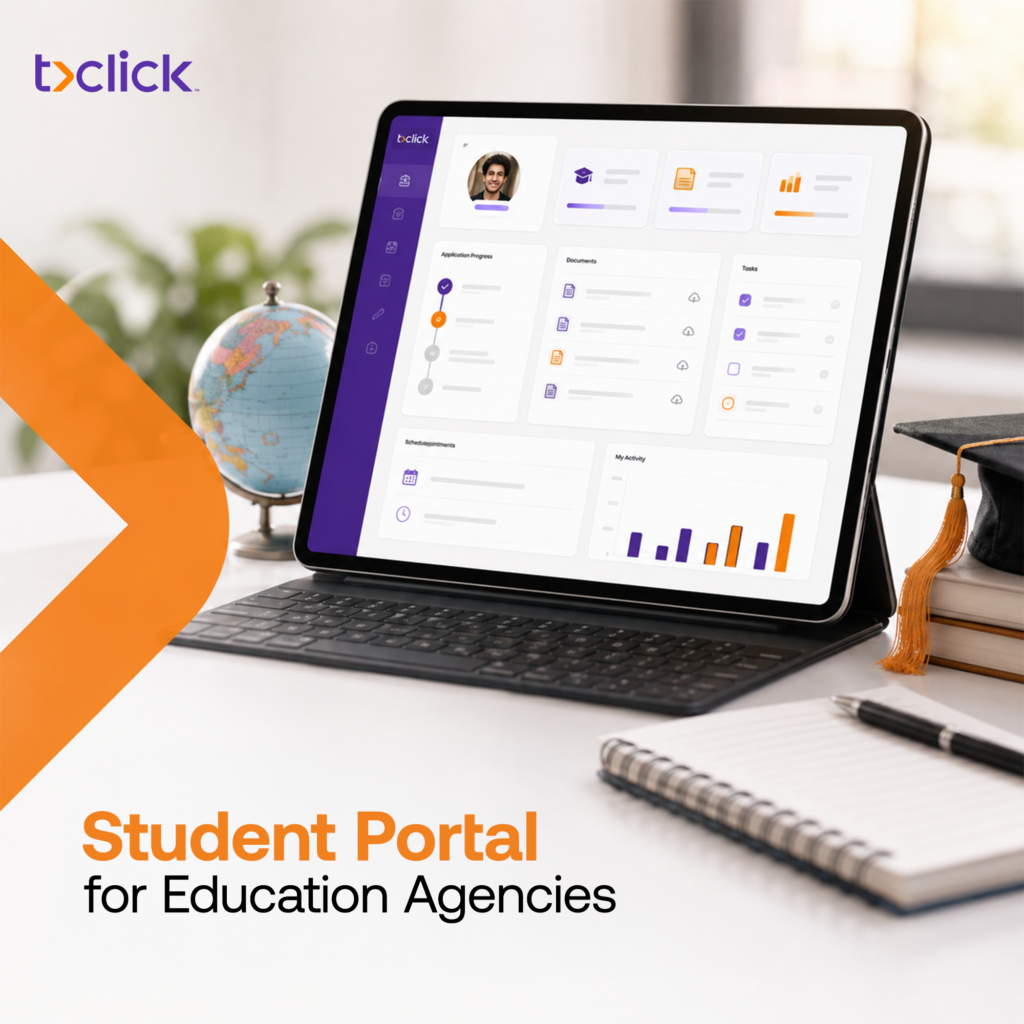
Discover the essential student portal features for education agencies, from application tracking and document uploads to secure communication and student engagement. The way students interact with education agencies has changed dramatically over the past decade. Today’s students expect fast responses, digital convenience, and instant access to information throughout their study abroad journey. Instead of relying solely on phone calls or email updates, they want the ability to check their application status, upload documents, communicate with advisors, and manage important tasks from one secure online platform. For education agencies, meeting these expectations while handling growing recruitment volumes can be challenging. Recruitment teams often spend a significant amount of time answering repetitive questions, requesting missing documents, scheduling appointments, and providing application updates. While these activities are essential, they also consume valuable resources that could be dedicated to counselling students and building stronger university partnerships. This is where a student portal becomes a valuable extension of an education CRM. Rather than acting as a simple login page, a modern student portal creates a self-service environment where students can actively participate in their own recruitment journey. It improves transparency, reduces administrative work, and provides a more connected experience for both students and agency staff. When integrated with an education CRM, a student portal allows agencies to centralize communication, simplify document management, automate routine tasks, and give students real-time visibility into every stage of the admissions process. In this guide, we’ll explore the most important student portal features for education agencies, explain how they improve both student satisfaction and operational efficiency, and highlight the capabilities organizations should prioritize when choosing a modern student recruitment platform. What Is a Student Portal? A student portal is a secure online platform that allows prospective and enrolled students to access important information, complete tasks, and communicate with their education agency from a single location. Instead of contacting consultants for every update, students can log in at any time to review their application progress, upload documents, check upcoming deadlines, receive notifications, and stay connected throughout the recruitment journey. For education agencies, the portal acts as a bridge between students and internal recruitment teams, creating a more transparent and efficient experience for everyone involved. Rather than relying on multiple communication channels, agencies can offer students one centralized platform that keeps information organized and easily accessible. More Than Just a Login Portal Many people think of a student portal as simply a website where students log in to view their applications. In reality, modern student portals are much more powerful. They function as an interactive workspace where students can actively manage their recruitment journey while agencies maintain complete visibility into every interaction. A comprehensive student portal can support activities such as: Viewing application progress Uploading required documents Booking consultations Receiving reminders and notifications Communicating with recruitment advisors Tracking university offers Monitoring visa requirements Accessing invoices and payment information Instead of waiting for updates, students gain immediate access to the information they need whenever they need it. Student portals work best when they are connected to CRM software for educational organizations that centralizes recruitment, admissions, communication, and student data. How a Student Portal Fits Within an Education CRM A student portal delivers the greatest value when it is fully integrated with an education CRM. Rather than functioning as a separate platform, it becomes part of a centralized recruitment ecosystem where student information, applications, communications, and documents remain synchronized. For example, when a recruitment consultant updates an application’s status within the CRM, the student can immediately see the latest progress through the portal. Similarly, when a student uploads a missing document, the admissions team receives instant access without requesting files through email or messaging applications. This seamless flow of information improves collaboration while reducing administrative work for both students and agency staff. Who Benefits From a Student Portal? Although student portals are designed primarily for students, they provide value across the entire organization. Students benefit from greater transparency, faster access to information, and a more convenient recruitment experience. Recruitment consultants spend less time answering routine questions and more time providing personalized guidance. Admissions teams receive documents more efficiently and can monitor application progress without switching between multiple systems. Agency managers gain better visibility into recruitment activities while improving operational efficiency across departments. In many cases, university partners also benefit from receiving more accurate documentation and better-organized application submissions. As a result, a well-designed student portal improves collaboration throughout the entire recruitment ecosystem. Agencies evaluating portal functionality should also explore the top CRM features for education agencies to understand which capabilities support recruitment and student success. Student Portal vs Traditional Communication As education agencies continue to digitize their operations, many are replacing manual communication methods with self-service student portals. The difference extends far beyond convenience—it fundamentally changes how students and recruitment teams interact throughout the admissions journey. Traditional Process Student Portal Students request updates by email or phone Students view real-time application status anytime Documents shared through email attachments Secure online document uploads Consultants manually answer routine questions Students access information independently Multiple communication platforms One centralized communication hub Manual deadline reminders Automated notifications and alerts Information stored across different systems All student information connected in one platform For education agencies, this shift means fewer repetitive administrative tasks, better communication, and a more professional digital experience for prospective students. Why Education Agencies Need a Student Portal As student expectations continue to evolve, education agencies must provide a more connected and transparent recruitment experience. A student portal helps agencies achieve this by reducing manual work while giving students greater control over their own journey. Some of the biggest advantages include the following: Faster access to application updates Better communication between students and consultants Reduced administrative workload Secure document sharing Improved transparency throughout the admissions process Higher student satisfaction More efficient recruitment operations Instead of constantly responding to routine inquiries, recruitment teams can focus on delivering strategic guidance and personalized support that adds real value to the student
CRM for Education Agencies in Middle East | Improve Student Recruitment
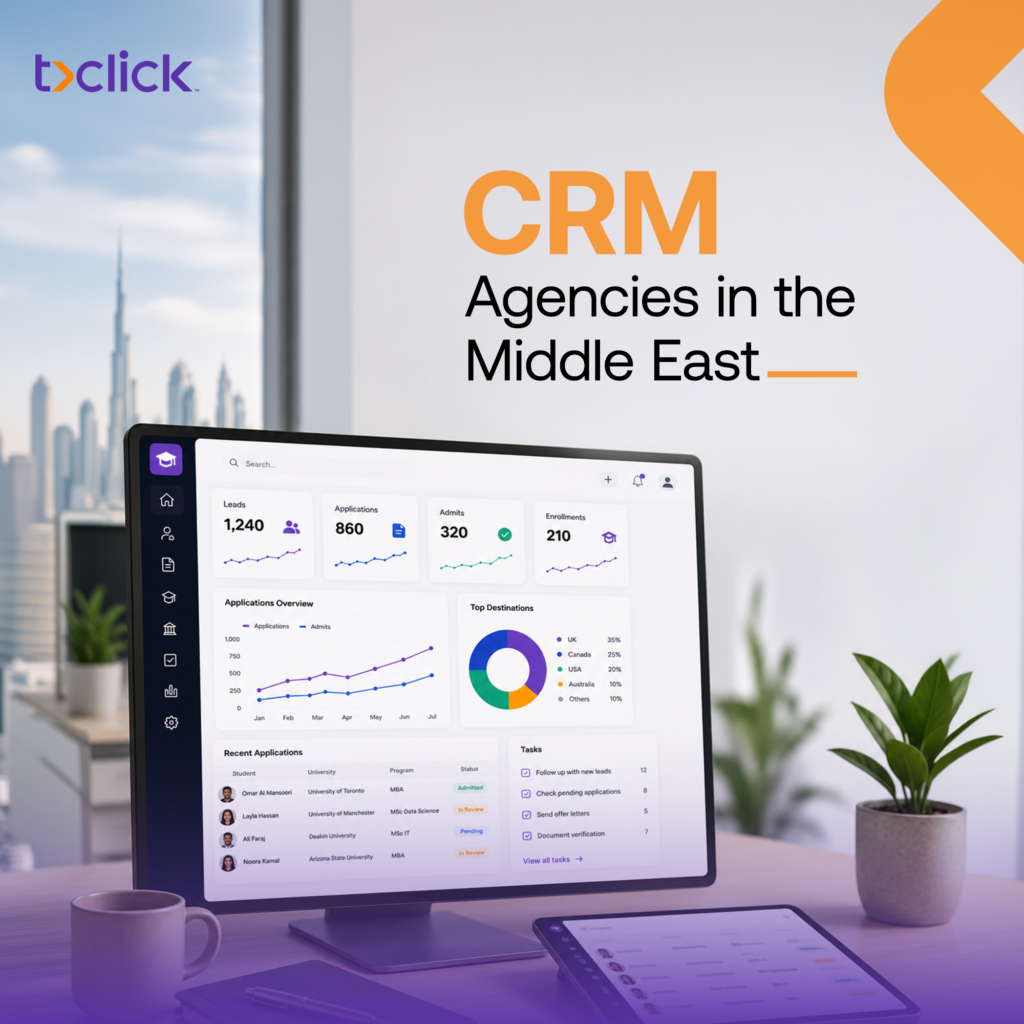
The Middle East has become one of the fastest-growing regions for international education, student mobility, and cross-border academic partnerships. Countries such as Saudi Arabia, the United Arab Emirates, Qatar, Kuwait, Bahrain, Oman, Jordan, and Egypt are investing heavily in education, digital transformation, and international collaboration, creating new opportunities for education agencies across the region. As demand for studying abroad, language programs, exchange opportunities, and international admissions continues to rise, education agencies are managing significantly more student inquiries, university partnerships, applications, and recruitment campaigns than ever before. However, growth also brings new operational challenges. Many education agencies still rely on spreadsheets, emails, WhatsApp conversations, and disconnected systems to manage student recruitment. While these methods may work for smaller teams, they quickly become difficult to manage as recruitment volumes increase. Missed follow-ups, scattered student records, delayed application processing, and limited visibility into recruitment performance can all slow growth and negatively impact the student experience. This is why more organizations are investing in a CRM for education agencies in the Middle East. Unlike generic CRM platforms, education-focused CRM software is designed to support the complete student lifecycle—from the first inquiry to enrollment and beyond. It helps agencies centralize student information, automate recruitment workflows, improve collaboration, strengthen university partnerships, and gain real-time visibility into recruitment performance. Instead of switching between multiple tools, education organizations can manage recruitment, admissions, communication, and reporting from one centralized platform. In this guide, you’ll learn why CRM software has become essential for education agencies across the Middle East, the challenges it solves, the features that matter most, and how the right solution can help organizations improve recruitment performance while supporting sustainable growth. Why Education Agencies Across the Middle East Are Transforming Their Operations The education sector across the Middle East has changed dramatically over the past decade. Digital transformation initiatives, growing investments in higher education, and increasing demand for international study opportunities have reshaped the way education agencies operate. Organizations are no longer competing solely on the universities they represent—they are also competing on service quality, operational efficiency, and the overall student experience. To remain competitive, agencies need systems that help them manage larger recruitment pipelines while delivering personalized support at every stage of the student journey. Growing Demand for International Education More students across the Middle East are exploring educational opportunities abroad than ever before. Whether pursuing undergraduate degrees, postgraduate programs, language courses, exchange programs, or professional certifications, students are actively seeking guidance from education agencies that can help them navigate increasingly complex admissions processes. Popular study destinations include: Destination Why Students Choose It United Kingdom Globally recognized universities and postgraduate opportunities Canada High-quality education and post-study work opportunities Australia Strong student support and career pathways United States Diverse academic programs and research excellence Germany Affordable tuition and engineering programs Ireland Growing technology and business education opportunities As recruitment demand grows, agencies must manage more consultations, applications, university partnerships, and student communication without sacrificing service quality. A CRM provides the operational structure needed to support this growth efficiently. Digital Transformation Across the Education Sector Governments and educational institutions throughout the Middle East continue to invest heavily in digital transformation. Students have also embraced digital-first communication. Today, prospective students expect to: Submit inquiries online Schedule virtual consultations Receive application updates quickly Communicate through WhatsApp and email Upload documents digitally Track their progress throughout the admissions process Education agencies must therefore operate with the same level of digital efficiency. A CRM helps organizations centralize these interactions while improving communication and operational consistency. Student Expectations Are Changing Today’s students expect more than basic admissions support. They want agencies that understand their academic goals, respond promptly, and provide personalized guidance throughout their journey. Students increasingly expect: Fast response times Personalized program recommendations Transparent admissions guidance Regular progress updates Professional communication Consistent support from inquiry to enrollment Meeting these expectations becomes challenging when student information is spread across multiple systems. A CRM creates a complete student profile containing communication history, consultation notes, applications, documents, and upcoming tasks, allowing consultants to provide more informed and personalized support. Recruitment Is Becoming More Competitive The international education sector in the Middle East has become increasingly competitive. Students can choose between: Local education agencies International recruitment firms University admissions offices Online recruitment platforms Independent education consultants As competition grows, agencies must differentiate themselves through operational excellence rather than simply offering access to universities. Organizations that respond quickly, maintain organized recruitment processes, and provide exceptional student experiences are more likely to build trust and improve enrollment outcomes. CRM software helps agencies achieve this by streamlining workflows and improving collaboration across recruitment teams. Multi-Country Recruitment Requires Better Systems Many education agencies in the Middle East operate across multiple countries or recruit students for institutions worldwide. A single agency may support students from Saudi Arabia, Jordan, Egypt, and the UAE while working with universities in the UK, Canada, Australia, and Europe. Managing these cross-border operations introduces additional complexity. Recruitment teams must coordinate: Multiple destination countries Different admissions requirements Various visa processes International university partnerships Students from different markets Recruitment campaigns across several regions Without centralized systems, maintaining visibility across these operations becomes increasingly difficult. A CRM provides one platform where organizations can manage international recruitment workflows, monitor student progress, and coordinate communication across teams and partner institutions. Better Visibility Leads to Better Decisions As agencies expand, leadership teams need accurate, real-time insights into recruitment performance. Questions such as the following become essential: Which recruitment channels generate the highest-quality leads? Which counselors achieve the best conversion rates? Which university partnerships deliver the strongest results? Which markets generate the highest enrollment numbers? Where are students dropping out of the recruitment process? Without centralized reporting, answering these questions often requires manual spreadsheets and time-consuming analysis. A CRM transforms recruitment data into actionable insights through real-time dashboards and analytics, enabling managers to make faster, more informed strategic decisions. 👉 Learn how education-focused CRM software simplifies student recruitment and daily operations. The Biggest Challenges Facing Education
Student Recruitment Software for Developing Markets
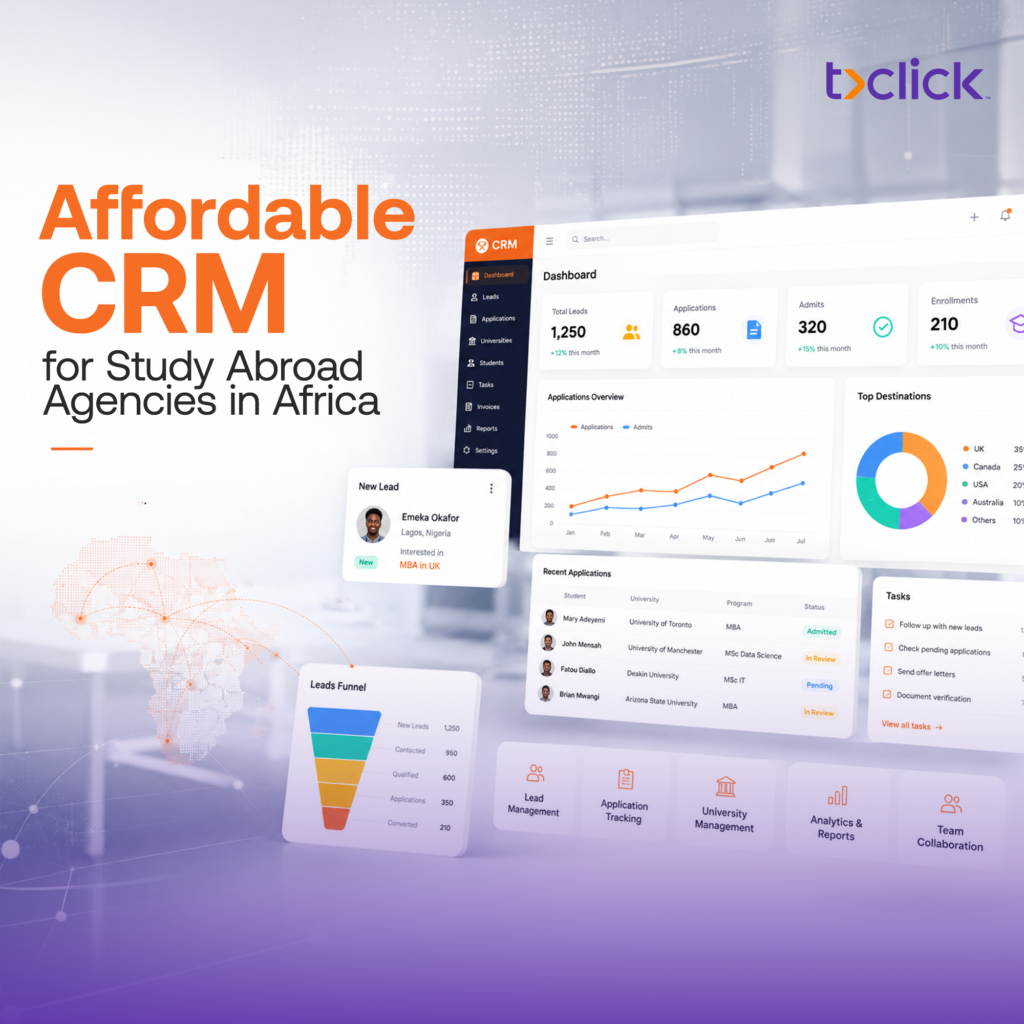
The global education landscape is evolving rapidly, and developing markets are playing an increasingly important role in shaping the future of international student recruitment. Countries across Africa, the Middle East, South Asia, and Latin America are experiencing significant growth in the number of students seeking educational opportunities abroad, creating both exciting opportunities and new operational challenges for education organizations. For universities, study abroad agencies, exchange program providers, language schools, and scholarship organizations, this growing demand means managing more student inquiries, processing larger volumes of applications, coordinating with more institutional partners, and delivering faster, more personalized support throughout the recruitment journey. While recruitment opportunities continue to expand, many organizations still rely on spreadsheets, email chains, messaging apps, and disconnected systems to manage their operations. These manual processes often become difficult to maintain as recruitment volumes increase, resulting in slower response times, missed follow-ups, fragmented student data, and limited visibility into recruitment performance. This is where student recruitment software for developing markets becomes a strategic investment rather than simply another technology expense. Purpose-built student recruitment software helps organizations centralize recruitment activities, automate repetitive workflows, improve communication, manage applications efficiently, and gain complete visibility into every stage of the student lifecycle. Rather than managing recruitment across multiple disconnected platforms, education organizations can oversee everything—from the first student inquiry to final enrollment—from a single centralized system. In this guide, you’ll learn how student recruitment software addresses the unique challenges faced by organizations in developing markets, the features that matter most, and how the right platform can help improve recruitment efficiency, enhance student experiences, and support sustainable organizational growth. Why Student Recruitment Is Changing Across Developing Markets Student recruitment has changed dramatically over the past decade. Increasing internet accessibility, digital marketing, social media, and global mobility have transformed how students research universities and interact with education organizations. Students today have access to significantly more information—and more choices—than ever before. As a result, education organizations must compete not only on academic offerings but also on the quality of their recruitment experience. Rising Demand for International Education International education continues to attract students from developing markets at an unprecedented rate. Families increasingly recognize overseas education as an opportunity to gain: Internationally recognized qualifications Better career opportunities Global professional networks Advanced research opportunities Cultural exposure Improved earning potential Students from developing markets commonly explore destinations such as: Study Destination Why Students Choose It United Kingdom Prestigious universities and globally recognized degrees Canada High-quality education with post-graduation work opportunities Australia Strong student support services and career pathways United States Diverse academic programs and research excellence Germany Affordable tuition and engineering programs Ireland Growing technology sector and business education Netherlands Innovative universities and English-taught programs As demand continues to increase, education organizations must manage significantly larger recruitment pipelines than they did just a few years ago. Without modern recruitment systems, sustaining this growth becomes increasingly difficult. Digital Transformation Is Reshaping Recruitment Today’s student recruitment process looks very different from traditional recruitment models. Previously, agencies relied primarily on: Walk-in consultations Telephone inquiries Printed brochures Education fairs Face-to-face meetings Today, students interact with organizations through multiple digital channels before making any decision. These include: Google Search Social media platforms WhatsApp Email Online webinars Virtual education fairs Live chat Referral programs Digital advertising campaigns Each interaction generates valuable student data. However, when this information is scattered across different communication platforms, it becomes increasingly difficult to maintain a complete picture of every prospective student. Student recruitment software consolidates these interactions into one centralized environment, enabling organizations to respond faster and manage recruitment more effectively. Students Expect Faster and More Personalized Experiences Modern students have higher expectations than ever before. They no longer compare education organizations only by the universities they represent. Instead, they evaluate the overall experience. Students expect organizations to: Respond quickly to inquiries Understand their academic background Recommend suitable programs Provide clear admissions guidance Keep them updated throughout the process Communicate through their preferred channels For example, a student may first submit an inquiry through a website, continue the conversation on WhatsApp, send documents by email, and attend an online consultation before applying. Without centralized student records, consultants often struggle to understand the student’s complete journey. Student recruitment software creates a unified student profile containing communication history, documents, applications, notes, and upcoming tasks. This enables consultants to deliver highly personalized support while improving operational efficiency. Competition Is Increasing Across Education Providers Developing markets have become increasingly competitive. Students now have access to: Local education agencies International recruitment companies University admissions offices Online recruitment platforms Independent education consultants This means organizations must differentiate themselves through: Better service quality Faster response times Personalized student experiences Efficient admissions support Strong university partnerships Organizations that continue relying on manual recruitment processes often struggle to maintain these standards as they grow. Student recruitment software provides the operational infrastructure needed to compete more effectively. Recruitment Teams Need Better Operational Visibility As recruitment operations expand, managers need accurate, real-time information to make informed decisions. Questions such as the following become increasingly important: How many active student inquiries do we currently have? Which marketing channels generate the highest-quality leads? Which counselors achieve the strongest conversion rates? Which universities produce the highest enrollment numbers? Where are students dropping out of the recruitment process? How many applications are currently awaiting documents? Without centralized reporting, answering these questions often requires hours of manual work. Student recruitment software provides real-time dashboards and analytics that help organizations monitor performance, identify bottlenecks, and continuously improve recruitment strategies. 👉 Learn how education-focused CRM software simplifies student recruitment and admissions. What Is Student Recruitment Software? Student recruitment software is much more than a traditional customer relationship management (CRM) system. It is a specialized platform designed to help education organizations manage the complete student recruitment lifecycle—from the first inquiry through enrollment and beyond. Rather than focusing solely on sales activities, student recruitment software supports the unique operational requirements of education providers by centralizing recruitment workflows, student communication, admissions processes, and