
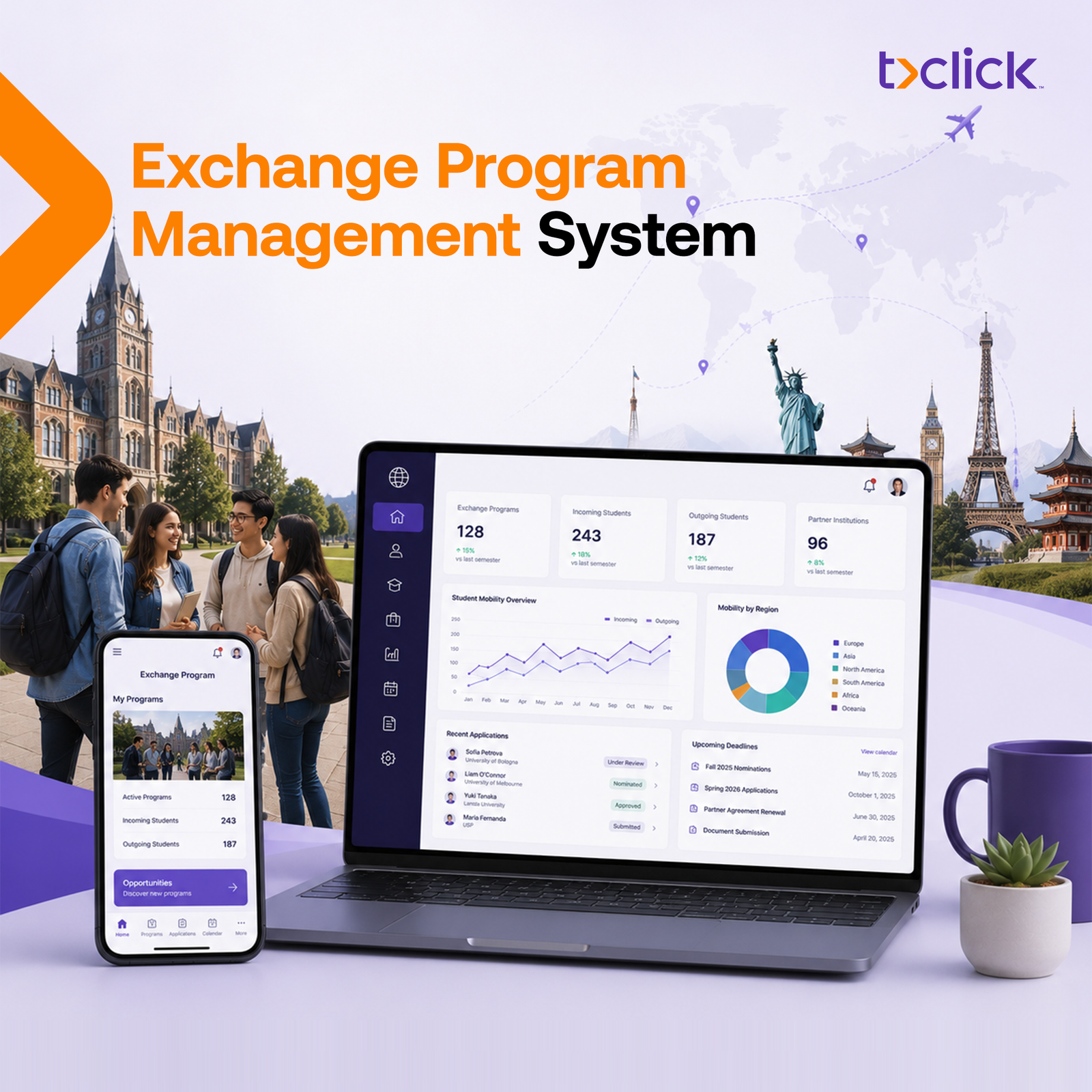
Exchange programs create life-changing opportunities.
They connect students, professionals, educators, and cultural ambassadors with experiences that help them grow academically, professionally, and personally. Whether it’s a J1 Work & Travel program, an internship placement, a study abroad initiative, or a cultural exchange opportunity, these programs depend on careful planning and flawless execution.
But behind every successful exchange experience is a complex operational process.
Organizations must manage applications, participant records, documentation, compliance requirements, communication, placements, host organizations, and ongoing participant support—all while maintaining visibility across hundreds or even thousands of participants.
As exchange programs continue growing in scale and complexity, manual processes are becoming increasingly difficult to sustain.
This is why many organizations are investing in an exchange program management system.
Modern management platforms help organizations centralize operations, automate workflows, improve participant experiences, and maintain stronger compliance oversight throughout the program lifecycle.
Platforms like Ticlick are helping exchange organizations move beyond spreadsheets and disconnected systems by providing a centralized environment designed for participant management, communication, compliance, and operational visibility.
In this guide, we’ll explore what an exchange program management system is, why organizations need one, the features that matter most, and how the right technology can support long-term program success.
Why Exchange Programs Are More Complex Than Ever
Growing Participant Volumes
International mobility programs continue expanding across the world.
Organizations often manage:
- hundreds of applications
- multiple program categories
- diverse participant groups
- international partnerships
- host organizations and employers
As participation increases, so does operational complexity.
Processes that worked for smaller programs often struggle to support larger participant volumes.
Multiple Stakeholders, One Program
Unlike traditional admissions workflows, exchange programs involve numerous stakeholders.
A single participant journey may involve:
- the participant
- sponsors
- universities
- employers
- host organizations
- government agencies
- internal staff teams
Each stakeholder requires communication, coordination, and visibility.
Managing these relationships manually can quickly become overwhelming.
Rising Expectations for Communication and Support
Today’s participants expect more than administrative efficiency.
They expect:
- timely communication
- transparency
- fast responses
- ongoing support
- digital experiences
Organizations that fail to meet these expectations may struggle with participant satisfaction and program reputation.
Compliance Requirements Continue to Increase
Many exchange programs operate within strict compliance environments.
Organizations often need to monitor:
- participant eligibility
- documentation requirements
- program deadlines
- reporting obligations
- status changes
Compliance management is no longer a secondary consideration.
It is a core operational responsibility.
Organizations managing international mobility and cultural exchange initiatives often rely on study abroad management software to centralize participant workflows, communication, and program administration.
What Is an Exchange Program Management System?
More Than a Participant Database
Many people assume an exchange program management system is simply a place to store participant information.
In reality, it serves as the operational foundation of the entire program.
A modern system helps organizations manage the following:
- participant records
- applications
- documentation
- communication
- compliance workflows
- placements
- reporting
- operational coordination
Instead of managing these activities across multiple disconnected tools, organizations gain a centralized environment that supports the entire participant lifecycle.
A Central Hub for Program Operations
An exchange program management system acts as a single source of truth.
Every team member can access the information they need without searching through spreadsheets, emails, or shared folders.
This improves:
- operational visibility
- collaboration
- decision-making
- participant support
The result is a more organized and scalable program environment.
Who Uses Exchange Program Management Systems?
Several types of organizations benefit from specialized exchange program software.
Exchange Visitor Organizations
Organizations managing J1 and cultural exchange programs often require strong participant and compliance management capabilities.
Work & Travel Providers
Work & Travel programs frequently involve large participant volumes and complex employer coordination.
Internship and Trainee Program Providers
These organizations often manage document-heavy workflows that benefit from centralized systems.
Study Abroad Organizations
Study abroad providers need visibility across participants, institutions, and international partnerships.
University Mobility Offices
Universities use exchange program management systems to coordinate international mobility opportunities and participant experiences.
Organizations evaluating exchange program technology may also explore CRM software for educational organizations and how education-focused platforms support recruitment, communication, and participant lifecycle management.
The Exchange Program Lifecycle Every Organization Must Manage
Recruiting and Screening Applicants
Every program begins with recruitment.
Organizations attract applicants through:
- digital marketing
- referral programs
- educational partners
- university networks
An exchange program management system helps centralize inquiries and applicant information from the beginning.
Managing Applications and Documentation
Applications often involve significant documentation.
Organizations may need to collect:
- application forms
- academic records
- passports
- agreements
- supporting documentation
Managing these records manually increases administrative burden and compliance risk.
Centralized workflows simplify application management and improve visibility.
Coordinating Placements and Host Organizations
Many exchange programs require coordination between participants and external partners.
These may include:
- employers
- host organizations
- universities
- program sponsors
Strong placement visibility helps organizations maintain operational control throughout the participant journey.
Supporting Participants During the Program
Participant support does not end once a placement is confirmed.
Organizations frequently manage:
- participant questions
- welfare concerns
- communication requests
- operational updates
Ongoing support plays a critical role in participant satisfaction and program success.
Monitoring Compliance and Program Requirements
Compliance monitoring remains a continuous responsibility.
Organizations must track:
- documentation status
- participant requirements
- reporting obligations
- operational deadlines
A centralized exchange program management system helps reduce compliance risk while improving oversight.
Maintaining Alumni and Long-Term Relationships
The participant journey does not necessarily end when a program concludes.
Many organizations maintain relationships through:
- alumni programs
- future opportunities
- referrals
- advocacy initiatives
Long-term relationship management can strengthen program growth and reputation.
Managing participant recruitment effectively often requires automation and structured workflows. Explore how to automate student recruitment process and how automation improves applicant management and enrollment efficiency.
The Features That Define a Modern Exchange Program Management System
Centralized Participant Management
Participants are at the heart of every exchange program.
A modern exchange program management system should provide a centralized participant profile that includes:
- personal information
- application history
- documentation
- communication records
- placement details
- compliance status
Instead of searching through multiple systems, teams gain complete visibility into every participant’s journey.
This improves efficiency while supporting better participant experiences.
Application and Documentation Workflows
Application management often represents one of the most time-consuming operational processes.
Organizations must collect, review, approve, and monitor large volumes of documentation.
An effective system should support:
- application tracking
- document collection
- approval workflows
- status visibility
- automated notifications
These capabilities help reduce administrative bottlenecks and improve operational consistency.
Compliance Tracking and Monitoring
Compliance is one of the most important reasons organizations adopt exchange program management software.
A modern platform should support:
- requirement tracking
- deadline monitoring
- document verification
- participant status management
- compliance visibility
Organizations gain greater confidence that critical obligations are being managed effectively.
Communication and Engagement Management
Communication directly impacts participant satisfaction.
Participants want clarity, transparency, and timely updates throughout their experience.
An exchange program management system should support:
- email communication
- follow-up tracking
- communication history
- automated notifications
- participant engagement monitoring
These capabilities help organizations maintain stronger relationships throughout the participant lifecycle.
Placement and Host Organization Coordination
Many programs involve coordination with external stakeholders.
Organizations often manage relationships with:
- employers
- host organizations
- universities
- sponsors
A centralized system helps maintain visibility across placement activities while improving collaboration.
Case and Incident Management
Unexpected situations can occur during any exchange program.
Organizations may need to address the following:
- participant concerns
- placement challenges
- welfare issues
- operational incidents
Case management capabilities help teams document, track, and resolve issues more effectively.
Workflow Automation
Manual processes consume valuable time and resources.
Automation helps organizations streamline activities such as:
- application reviews
- approval processes
- reminders
- follow-ups
- compliance notifications
Automation reduces repetitive work while improving operational consistency.
Reporting and Operational Analytics
Data-driven decision-making has become increasingly important.
Organizations need visibility into:
- participant volumes
- recruitment performance
- placement outcomes
- compliance status
- operational efficiency
Reporting environments help leaders understand program performance and identify opportunities for improvement.
Multi-Program Management
Many organizations operate multiple program categories simultaneously.
These may include:
- Work & Travel
- Internship Programs
- Trainee Programs
- Cultural Exchange Programs
- Study Abroad Initiatives
A strong exchange program management system should support multiple workflows within a centralized environment.
Security and Data Protection
Participant information often contains sensitive personal data.
Organizations require systems that support:
- role-based access
- permission controls
- secure document storage
- data governance
Security plays a critical role in maintaining trust and operational reliability.
Organizations operating regulated exchange programs should also explore J1 sponsor software comparison and learn how modern platforms support participant tracking, compliance management, and program oversight.
Why Spreadsheets Are Holding Exchange Programs Back
Fragmented Participant Records
Spreadsheets may work during the early stages of a program.
However, as operations grow, information often becomes fragmented across:
- spreadsheets
- emails
- shared drives
- disconnected databases
This creates visibility challenges and operational inefficiencies.
Limited Program Visibility
Without centralized systems, organizations often struggle to answer important questions:
- Which participants require follow-up?
- Which applications are incomplete?
- Which placements need attention?
- Which compliance activities are pending?
Limited visibility slows decision-making and increases operational risk.
Communication Gaps
Participant communication often becomes inconsistent when information is spread across multiple systems.
This can lead to:
- delayed responses
- missed follow-ups
- participant frustration
Centralized communication management helps eliminate these issues.
Administrative Overload
Manual processes create unnecessary administrative burden.
Staff members frequently spend time:
- updating spreadsheets
- searching for information
- preparing reports
- tracking deadlines
Automation helps organizations redirect resources toward participant support and program growth.
Compliance Risks
Compliance requirements become more difficult to manage in fragmented environments.
Missed deadlines and incomplete documentation can create significant challenges.
An exchange program management system helps reduce these risks through centralized oversight.
How an Exchange Program Management System Improves Participant Experience
Faster Application Processing
Participants appreciate efficiency.
Centralized workflows help organizations process applications faster while reducing unnecessary delays.
Better Communication Throughout the Journey
Participants want visibility into their status and progress.
CRM-driven communication environments help organizations provide timely updates and consistent engagement.
Increased Transparency
Transparency builds trust.
Participants benefit from clearer visibility into:
- application progress
- documentation requirements
- placement updates
- program milestones
Personalized Participant Support
Every participant has unique needs.
Centralized systems help organizations provide more personalized communication and support experiences.
Stronger Program Satisfaction
When participants feel supported, informed, and valued, overall satisfaction increases.
This contributes to stronger program outcomes and organizational reputation.
Strong participant engagement starts with the right technology. Explore top CRM features for education agencies and how communication tools improve participant experiences and operational coordination.
How Exchange Program Management Systems Improve Operational Efficiency
Reduce Manual Work
Automation reduces repetitive administrative activities, allowing staff to focus on higher-value work.
Centralize Program Data
A centralized platform eliminates information silos and creates a single source of truth for operational teams.
Improve Team Collaboration
Shared visibility improves collaboration between recruitment, operations, compliance, and participant support teams.
Automate Repetitive Processes
Workflows that previously required manual intervention can be streamlined through automation.
Scale Program Operations More Effectively
As participant volumes grow, centralized systems help organizations maintain operational consistency without dramatically increasing administrative workload.
How Exchange Program Management Systems Support Compliance
Document Tracking
Organizations can monitor documentation requirements more effectively through centralized records.
Deadline Monitoring
Automated reminders help ensure important deadlines are not overlooked.
Audit Readiness
Centralized systems improve record accessibility and reporting capabilities.
This makes audit preparation significantly easier.
Participant Status Visibility
Organizations maintain greater awareness of participant progress, requirements, and compliance status.
Risk Reduction
Improved visibility and automation help reduce operational and compliance risks.
How Ticlick Supports Exchange Program Management
Manage Every Participant Journey in One Place
Ticlick helps organizations centralize recruitment, applications, communication, placements, and participant management within a single platform.
Centralize Communication and Documentation
Organizations gain structured visibility into communication histories, participant records, and program documentation.
Improve Compliance Visibility
Ticlick helps teams monitor participant requirements, documentation, deadlines, and operational workflows through centralized oversight.
Automate Operational Workflows
Workflow automation reduces administrative effort while improving consistency and efficiency.
Scale Exchange Programs With Confidence
Whether managing a small exchange initiative or a large international mobility program, Ticlick provides the structure and flexibility needed for sustainable growth.
FAQs
What is an exchange program management system?
An exchange program management system is software designed to help organizations manage participant recruitment, applications, communication, placements, compliance, and ongoing program operations.
Why do exchange organizations need management software?
Management software helps organizations improve efficiency, strengthen compliance oversight, automate workflows, and deliver better participant experiences.
What features should an exchange program management system include?
Important features include participant management, communication tools, compliance tracking, workflow automation, reporting, document management, and placement coordination.
How does software improve participant experience?
Software improves communication, transparency, support responsiveness, and overall program organization.
Can exchange program management systems help with compliance?
Yes. Modern platforms help organizations manage documentation, monitor deadlines, track requirements, and maintain compliance visibility.
How do organizations choose the right platform?
Organizations should evaluate workflow alignment, automation capabilities, reporting features, scalability, compliance support, and ease of adoption.
Conclusion
Managing an exchange program involves much more than processing applications.
Organizations must coordinate participants, sponsors, employers, universities, documentation, communication, compliance requirements, and ongoing support throughout the entire participant journey.
As programs continue growing in complexity, spreadsheets and disconnected systems are no longer sufficient.
A modern exchange program management system helps organizations centralize operations, improve participant experiences, strengthen compliance management, and scale more effectively.
Platforms like Ticlick provide the visibility, automation, and operational structure needed to manage exchange programs from the first application to long-term alumni engagement.
For organizations seeking to improve efficiency, participant satisfaction, and program growth, investing in the right exchange program management system is no longer simply an operational upgrade—it’s a strategic advantage.